China’s Factory Prices Rebound After Three-Year Slump as Oil Shock Ripples Through Economy

China’s Factory Prices Rebound After Three-Year Slump as Oil Shock Ripples Through Economy
By
David Goldfarb
Last updated:
April 10, 2026
First Published:
April 25, 2026

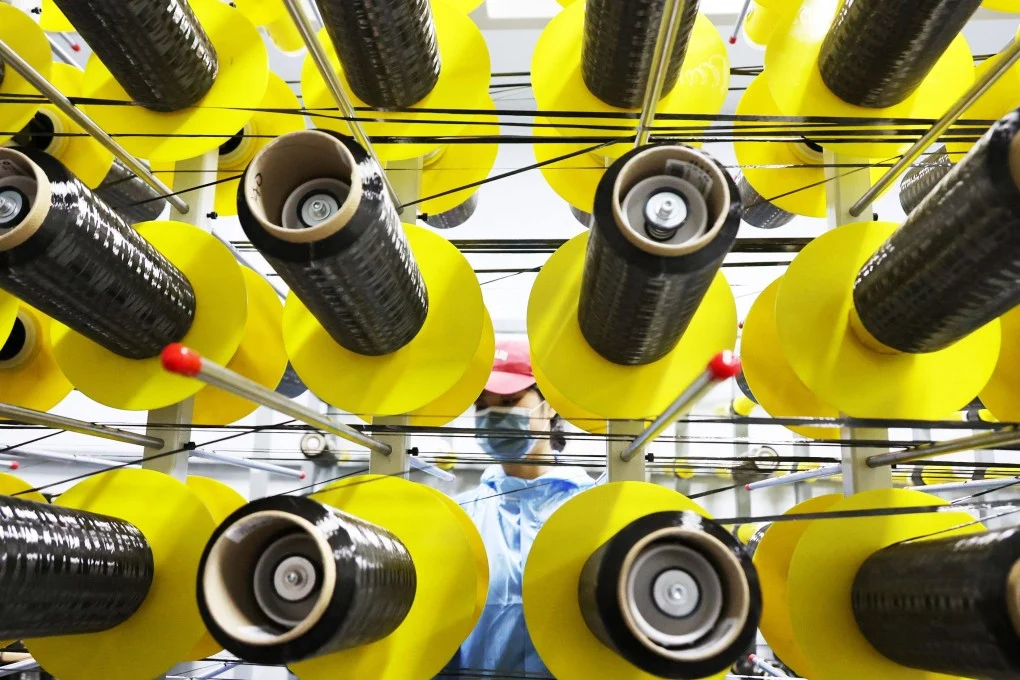
Photo: South China Morning Post
China’s industrial sector is showing early signs of inflationary recovery, but not without complications. For the first time in more than three years, factory-gate prices have returned to growth, signaling a shift away from the prolonged deflationary environment that has weighed on manufacturers since 2022. However, this rebound is being driven largely by surging global energy prices, raising concerns about the quality and sustainability of the recovery.
According to data from the National Bureau of Statistics of China, the Producer Price Index rose 0.5% year-on-year in March, ending a deflation streak that lasted over 30 months. This marks a significant turnaround from the consistent declines seen since late 2022, although on a quarterly basis, PPI still recorded a 0.6% drop in the first quarter, highlighting the fragile nature of the recovery.
On the consumer side, inflation remains relatively subdued. The Consumer Price Index increased by 1% in March compared to a year earlier, falling short of market expectations of 1.2% and slowing from February’s 1.3% rise. Core inflation, which strips out volatile food and energy prices, edged slightly higher to 1.1%, indicating moderate underlying demand but not enough to signal strong consumption recovery.
The primary catalyst behind the sudden shift in factory prices is the sharp spike in global oil markets, triggered by escalating geopolitical tensions between the United States and Iran. The ongoing conflict, now stretching into its sixth week, has significantly disrupted energy supply chains, particularly after Iran effectively restricted tanker movement through the Strait of Hormuz, one of the world’s most critical oil transit routes.
As a result, benchmark crude prices have surged dramatically. Brent Crude futures climbed to approximately $96.7 per barrel, marking a 33% increase since the conflict began in late February. Meanwhile, WTI Crude Oil rose even more sharply, jumping nearly 47% to around $98.5 per barrel. These increases have quickly filtered through global supply chains, raising input costs for energy-intensive industries.
For China, the world’s largest importer of crude oil, the impact is immediate and significant. Despite maintaining large strategic reserves and a diversified energy mix, the country is not immune to global price shocks. Rising oil costs have already begun translating into higher domestic fuel prices. In March alone, gasoline prices jumped 11.1% month-on-month, even as policymakers attempted to limit increases to shield consumers from excessive volatility.
Beijing has responded by adjusting retail fuel prices in stages. Earlier this month, authorities raised gasoline and diesel prices by 420 yuan and 400 yuan per metric ton, respectively. This follows even steeper hikes in the previous month, when prices were increased by over 1,100 yuan per ton. On a yearly basis, gasoline costs are now up 3.8%, adding to inflationary pressures across transportation and logistics sectors.
While higher producer prices may initially appear positive after a long deflationary period, economists warn that the current trend reflects “cost-push inflation” rather than demand-driven growth. This type of inflation is typically less sustainable and more harmful to corporate profitability, as companies struggle to pass rising input costs onto consumers in a weak demand environment.
China’s manufacturing sector, already operating on thin margins, is particularly vulnerable. Although industrial profits showed a strong rebound in the first two months of the year—supported by government efforts to reduce overcapacity and stabilize pricing—this momentum could be short-lived. Rising raw material costs, including energy, metals, and chemicals, are expected to erode profit margins in the coming months.
A key indicator reinforcing this concern is the purchasing price index for raw materials, fuel, and power, which rose 0.8% year-on-year, outpacing the growth in producer prices. This gap suggests that manufacturers are absorbing a portion of cost increases rather than fully passing them on, further tightening margins.
Macroeconomic forecasts are also being adjusted in response to the evolving energy landscape. Analysts at Morgan Stanley now expect China’s GDP growth to reach approximately 4.7% this year, slightly lower than previous projections. The outlook assumes oil prices averaging around $110 per barrel in the second quarter before gradually stabilizing.
However, downside risks remain significant. If geopolitical tensions intensify and oil prices climb above $150 per barrel, China’s economic growth could slow further to around 4.2%, reflecting the broader drag from higher energy costs, reduced industrial output, and weaker global demand.
Despite these pressures, inflation at the consumer level remains relatively contained, staying below the 2% threshold often targeted by policymakers. This gives the People’s Bank of China some flexibility to maintain a cautious monetary easing stance. So far in 2025, the central bank has implemented only a modest 10-basis-point rate cut, signaling a preference for gradual intervention rather than aggressive stimulus.
Financial markets have remained relatively stable amid these developments. Yields on China’s 10-year government bonds have held steady at around 1.81%, indicating that investors are cautiously monitoring inflation risks without signaling immediate concern over financial instability.
Looking ahead, China’s economic trajectory will largely depend on the evolution of global energy markets and geopolitical tensions. While the return of factory-gate inflation marks a symbolic end to a prolonged deflationary phase, the underlying drivers suggest a more complex reality. Instead of a demand-led recovery, the economy is navigating an externally driven cost shock, one that could reshape industrial profitability, policy decisions, and growth expectations in the months ahead.
.webp)
Popular articles



Subscribe to unlock premium content
Beyoncé’s Wellness Retreats Redefine Luxury Lifestyle

Skiing Above the Skyline

ED by Ellen Redefines Celebrity Media

Beyoncé’s Wellness Retreats Redefine Luxury Lifestyle
Skiing Above the Skyline
Beyoncé’s Wellness Retreats Redefine Luxury Lifestyle