China’s Export Boom Drives Record Trade Surplus in Early 2026
By
Alina Sinclair
Last updated:
March 10, 2026
First Published:
April 25, 2026

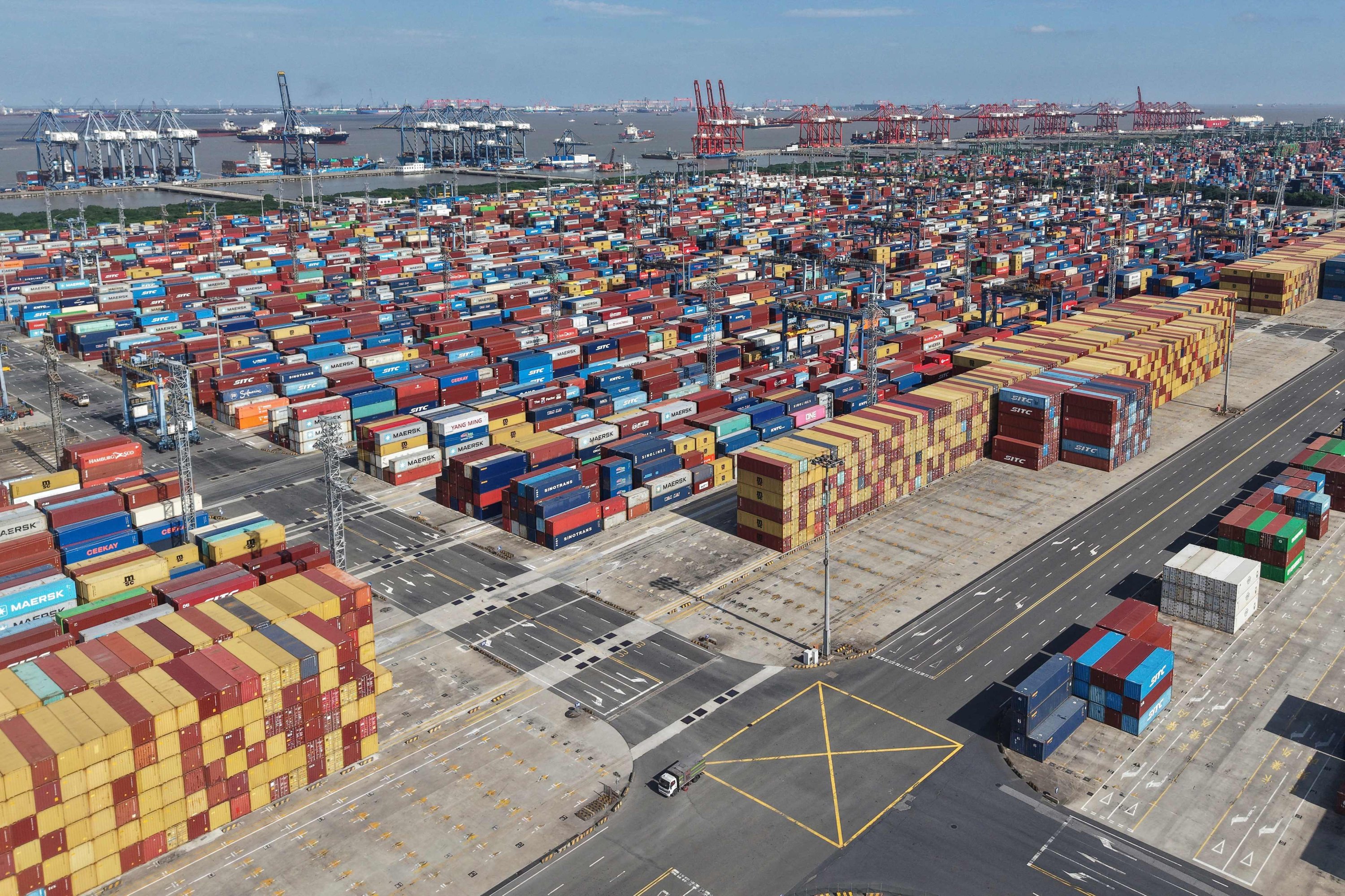
Photo: Daily Sabah
China Records Historic Trade Surplus in Early 2026
China started the year with an exceptionally strong performance in global trade, posting the largest trade surplus ever recorded for the January–February period. Fresh customs data shows that the world’s second-largest economy generated a massive $213.62 billion trade surplus during the first two months of the year, significantly exceeding economists’ expectations of around $179.6 billion.
The impressive trade figures highlight the continued strength of China’s export machine even as geopolitical tensions and tariff disputes remain part of the global economic landscape. Analysts say the numbers reinforce China’s role as the world’s manufacturing powerhouse and demonstrate the resilience of its supply chains.
China usually releases combined trade data for January and February to account for disruptions caused by the Lunar New Year holiday, which shifts dates each year and can distort monthly comparisons.
Exports Surge Far Beyond Forecasts
China’s exports rose 21.8 percent year-on-year during the combined January–February period, dramatically outperforming economists’ forecasts of about 7.1 percent growth.
The surge reflects strong global demand for Chinese goods across sectors such as electronics, machinery, renewable energy equipment, and consumer products. Analysts also point to improving supply chain efficiency and competitive pricing as key drivers behind the export expansion.
In monetary terms, the export boom pushed China’s external trade performance well above expectations and reinforced its position as the world’s leading exporter. The scale of the growth also suggests that international demand remains strong despite slowing growth in some advanced economies.
Some economists believe part of the growth spike may have been amplified by the timing of the Lunar New Year holiday, which occurred later this year compared with the previous year. That shift can temporarily inflate year-on-year comparisons because factories remain open longer in the earlier weeks of the year.
Still, analysts note that the holiday timing alone does not fully explain the strength of the data.
Imports Also Show Strong Momentum
China’s imports also expanded much faster than expected, rising 19.8 percent year-on-year during the same two-month period. Economists had projected a much smaller increase of around 6.3 percent.
The strong import growth signals steady domestic demand as Chinese companies increase purchases of raw materials, industrial components, and energy supplies. Higher imports of semiconductors, industrial metals, and advanced manufacturing equipment were among the main contributors.
This balanced growth in both exports and imports indicates that China’s economic activity remains relatively stable, even as policymakers attempt to manage slower long-term growth and structural adjustments in the economy.
Trade Shifts Toward Europe and Southeast Asia
China’s trade relationships are continuing to evolve, with Europe and Southeast Asia becoming increasingly important partners.
Trade with the European Union jumped 19.9 percent, reaching 998.94 billion yuan during the January–February period. The growth reflects rising demand for Chinese electric vehicles, machinery, and technology products in European markets.
Meanwhile, trade with the Association of Southeast Asian Nations (ASEAN) grew even faster, climbing 20.3 percent to 1.24 trillion yuan. ASEAN has become China’s largest regional trading partner in recent years, benefiting from geographic proximity and deepening supply chain integration.
In contrast, trade with the United States declined sharply. Bilateral trade between the two economies fell 16.9 percent year-on-year to 609.71 billion yuan (about $88.2 billion). The drop highlights the continued impact of tariffs and political tensions between the two countries.
Inflation Picks Up as Consumer Spending Rises
The trade data was released alongside stronger inflation figures, suggesting a modest rebound in domestic consumer activity.
China’s Consumer Price Index (CPI) rose 1.3 percent in February compared with a year earlier, beating economists’ expectations of 0.8 percent growth. The increase followed a 0.2 percent rise in January, marking the fastest inflation acceleration since January 2023.
Economists attribute the inflation boost partly to increased consumer spending during the extended Lunar New Year holiday period, when travel, dining, and retail activity typically surge across the country.
The stronger inflation reading could signal a gradual normalization of demand after a period of relatively weak price growth.
Policy Signals from Beijing’s Two Sessions
The latest economic data arrived shortly after China’s annual Two Sessions political meetings, where top leaders outlined their economic priorities for the year.
During the event, Chinese Premier Li Qiang announced a GDP growth target between 4.5 percent and 5 percent, representing the lowest official target range set by Beijing since the early 1990s. The relatively cautious target reflects the government’s efforts to balance economic growth with financial stability and structural reforms.
Some analysts believe the strong export performance reduces the immediate need for large-scale stimulus measures. According to several economists, the government may prefer targeted policy adjustments rather than broad economic stimulus in the near term.
Ongoing U.S.–China Trade Frictions Continue
Despite strong trade results, tensions between Washington and Beijing remain a defining factor in global trade dynamics.
The two countries have been locked in a long-running tariff dispute since U.S. President Donald Trump returned to office in January 2025, with both sides imposing and adjusting tariffs on hundreds of billions of dollars’ worth of goods.
Although relations improved somewhat after a meeting between Trump and Chinese President Xi Jinping during the APEC summit in Busan, South Korea, trade restrictions continue to shape bilateral commerce.
Currently, U.S. tariffs on many Chinese imports remain around 10 percent, after the U.S. Supreme Court invalidated some tariffs previously imposed under emergency economic powers.
However, other tariffs introduced under Section 301 of the Trade Act of 1974 and Section 232 of the Trade Expansion Act of 1962 remain in place for certain products, with duties reaching as high as 100 percent on selected goods.
Because of these layered trade measures, analysts estimate that the effective tariff rate on many Chinese exports to the United States remains close to 30 percent, one of the highest rates applied to any major trading partner.
Outlook for China’s Trade Performance
Looking ahead, economists expect China’s trade sector to remain a crucial driver of economic stability throughout the year.
While global demand may soften slightly due to slower growth in advanced economies, China’s diversified export markets and expanding trade ties with emerging economies could help offset declines in U.S. trade.
At the same time, policymakers in Beijing are likely to continue balancing export competitiveness with domestic economic reforms, technological development, and efforts to stimulate consumer spending.
If current trends continue, China’s trade sector could remain one of the strongest pillars supporting the country’s economic growth in 2026.
.webp)
Popular articles



Subscribe to unlock premium content
Remote Himalayan Villages Transforming Ancient Traditions into Lucrative Wellness Ventures

Gilded Holidays in Fashion

Frozen Frontiers of Luxury

Remote Himalayan Villages Transforming Ancient Traditions into Lucrative Wellness Ventures
Gilded Holidays in Fashion
Remote Himalayan Villages Transforming Ancient Traditions into Lucrative Wellness Ventures