China’s Emotional Economy Surges as Consumers Spend for Joy Over Necessity

China’s Emotional Economy Surges as Consumers Spend for Joy Over Necessity
By
David Goldfarb
Last updated:
March 26, 2026
First Published:
March 26, 2026

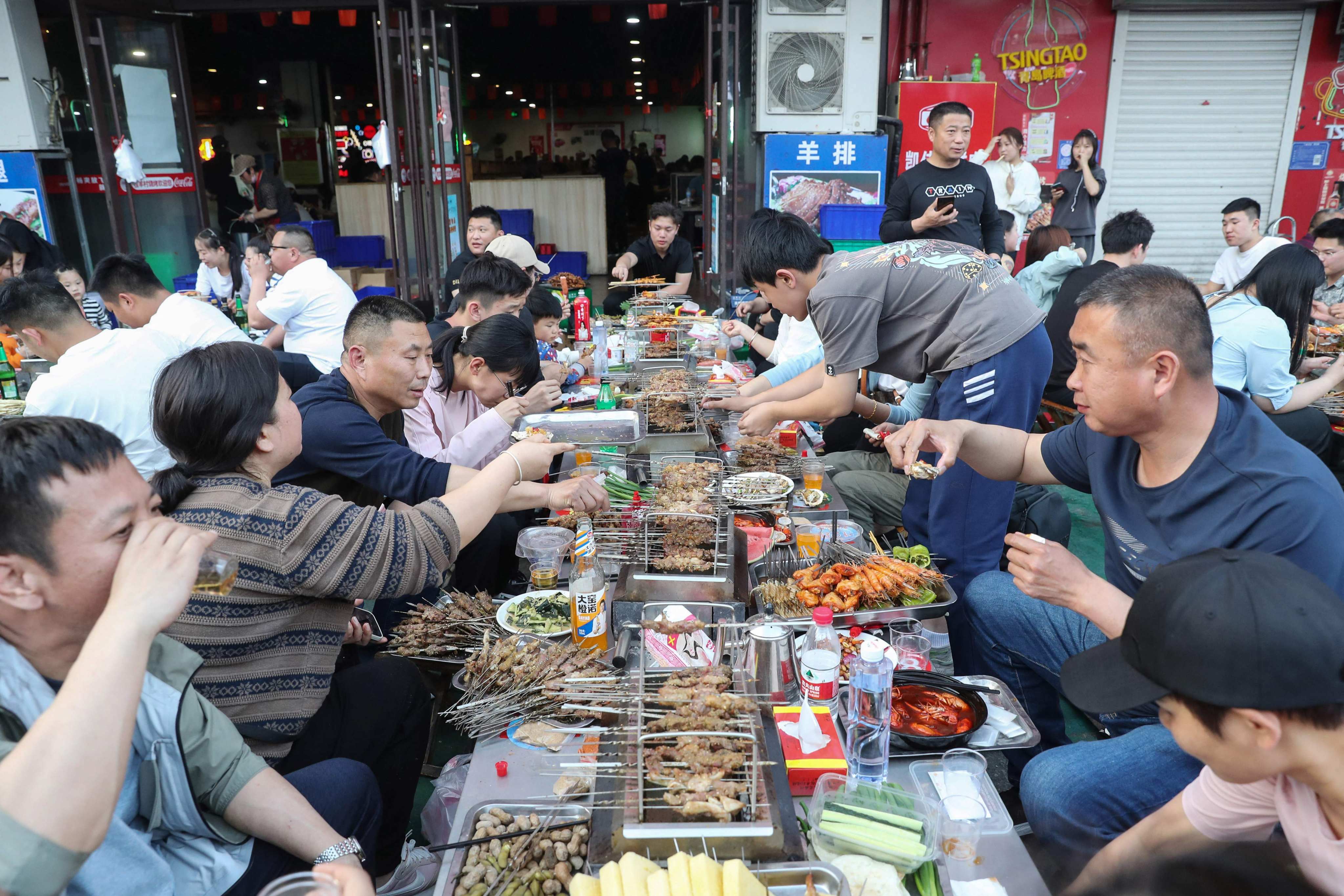
Photo: South China Morning Post
China is witnessing a notable shift in consumer behavior, with spending increasingly motivated by emotional satisfaction rather than practical utility. From designer toys and themed merchandise to travel experiences and luxury cosmetics, Chinese consumers are investing in goods and activities that provide personal fulfillment and joy. Analysts and local businesses are taking note, viewing this “emotional economy” as a new avenue for growth despite slowing overall consumption.
For 28-year-old Rebecca Zhou from Sichuan province, collecting Moomin figurines, mugs, and accessories has become a personal ritual. “It’s nice to treat yourself to something fun, even if it’s not the most value-for-money,” she said. Zhou’s purchases reflect a broader trend: data shows that Chinese consumers increasingly choose products and experiences for their emotional resonance, from theme parks to aromatherapy candles. Over the 2025 Chinese New Year, spending on traditional staples like festive food gifts declined, while expenditures on travel, cosmetics, and designer toys surged compared to the same period in 2024.
Experts point to multiple factors behind this phenomenon. Rising living costs, a struggling housing market, and record-low birth rates have created stress and a sense of uncertainty for many consumers, pushing some toward purchases that deliver immediate emotional relief. At the same time, wealth concentration among younger generations — amplified by the legacy of the One-Child policy and the so-called “six pockets” effect, where parental and grandparental resources support a single child — has provided a financial cushion that allows discretionary spending. Intergenerational wealth persistence, especially in urban areas, means younger Chinese often have the flexibility to finance desires that previous generations could not.
Macroeconomic trends have further amplified these choices. With higher-quality manufactured goods lasting longer, consumers can delay big-ticket replacements and allocate funds toward experiences or novelty items. The entertainment industry has capitalized on this shift: films like “Ne Zha 2,” the world’s highest-grossing animated movie in 2024, demonstrate the appetite for content that combines nostalgia with enjoyment.
China’s emotional economy is growing even as overall consumer spending slows. In 2025, spending increased by only 2.3%, down from 5.2% in 2024, yet surveys indicate a rising willingness to spend on social and entertainment activities, reaching an eight-year high for the fourth quarter. Policymakers and city governments, including Chongqing, are beginning to recognize the sector’s potential, while businesses are redesigning products and marketing to appeal to emotion-driven consumers.
For many Chinese shoppers, this trend reflects a desire for personal comfort and nostalgia. “Buying these ‘childish’ items gives a comforting feeling of going back to childhood,” Zhou said. “It is a safe and nostalgic way of going back to adulthood.” As the emotional economy continues to expand, it is poised to become a defining feature of China’s consumer landscape in the years ahead.
.webp)
Popular articles



Subscribe to unlock premium content
Soaring Above Luxury
A Taste of Italy Redefined
Designing the World, One Market at a Time
Soaring Above Luxury
A Taste of Italy Redefined
Soaring Above Luxury