China’s Economy Opens 2026 With Strong Momentum Despite Rising Middle East Risks

China’s Economy Opens 2026 With Strong Momentum Despite Rising Middle East Risks
By
Alina Sinclair
Last updated:
March 16, 2026
First Published:
April 25, 2026

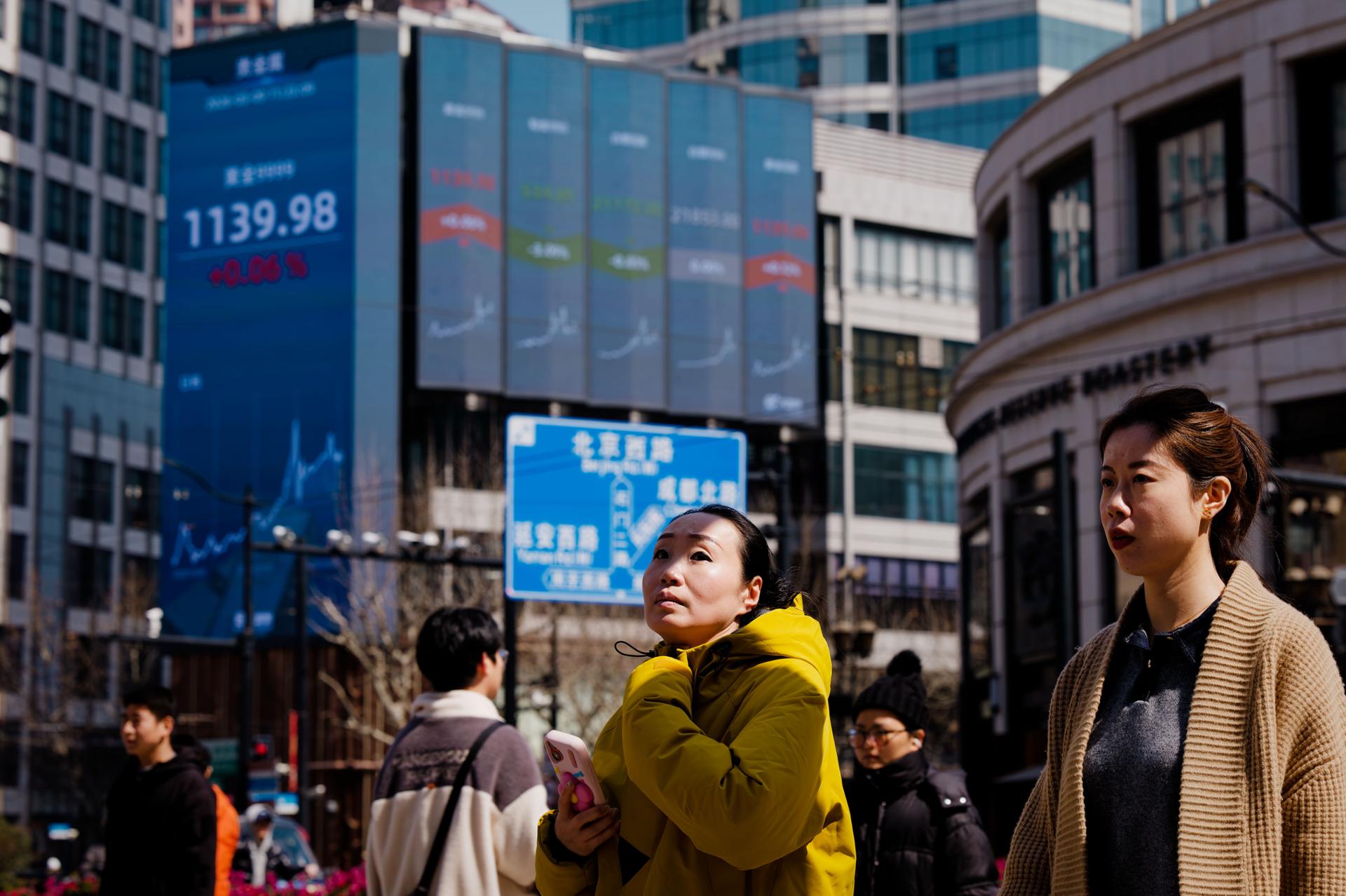
Photo: The Korea Times
China’s economy began 2026 on a relatively strong note, supported by steady consumer spending, robust industrial production, and resilient export demand. Fresh data from the National Bureau of Statistics shows that the world’s second largest economy outperformed several market expectations during the first two months of the year.
However, economists warn that growing geopolitical tensions in the Middle East, including risks tied to the Iran conflict and potential disruptions in global energy markets, could create new challenges for China’s export driven economy later in the year. While early indicators remain encouraging, policymakers are increasingly cautious about external pressures and structural weaknesses at home.
Consumption Gains Support From Lunar New Year Spending
China’s consumer sector saw moderate growth during the first two months of the year. Retail sales rose 2.8 percent year over year, surpassing economists’ expectations of roughly 2.5 percent growth. The increase reflects stronger holiday spending across the country during the Lunar New Year celebrations, which fell in mid February.
Despite beating forecasts, the growth pace still represented a slowdown compared with the 4 percent expansion recorded during the same period in 2025, highlighting lingering caution among Chinese consumers amid ongoing economic uncertainty.
Holiday driven consumption was particularly visible in discretionary categories. Spending on tobacco, alcohol, gold jewelry, and luxury goods climbed noticeably as households increased purchases during festive celebrations. Tourism related sectors also benefited, with domestic travel surging and hotel bookings rising across major cities and resort destinations.
Retail activity in sectors such as restaurants, entertainment venues, and duty free stores also strengthened as millions of people traveled during the extended holiday break. Analysts estimate that hundreds of billions of yuan in consumer spending was generated during the festive period alone, reinforcing the importance of seasonal consumption to China’s broader economic cycle.
The solid holiday demand has also reduced the immediate urgency for large scale stimulus measures from Beijing, as policymakers appear willing to monitor economic conditions before introducing aggressive new support policies.
Industrial Production Continues To Outperform
Manufacturing and industrial activity remained one of the brightest areas of China’s economy. Industrial output rose 6.3 percent year over year in the January to February period, significantly exceeding analysts’ expectations of about 5 percent growth.
China’s manufacturing sector has benefited from steady external demand, particularly from European and Southeast Asian markets, where Chinese machinery, electronics, and consumer goods remain highly competitive.
Strong export orders for products such as electric vehicles, solar panels, batteries, and industrial machinery have also helped sustain factory output. The country continues to dominate several global manufacturing supply chains, allowing industrial activity to remain resilient even as domestic demand faces pressure.
China’s export momentum carried into the new year as well. Outbound shipments surged nearly 22 percent during the first two months of 2026, underscoring the continued strength of the country’s trade sector.
The sharp rise in exports comes despite growing criticism from several trading partners over China’s manufacturing overcapacity and aggressive pricing strategies in sectors like green energy equipment and electric vehicles.
Still, strong foreign demand has provided a crucial growth engine at a time when domestic consumption and real estate investment remain relatively weak.
Investment Shows Modest Recovery While Property Sector Struggles
Investment across China’s economy showed a slight improvement compared with expectations. Fixed asset investment increased 1.8 percent year over year, beating forecasts that had predicted a 2.1 percent decline.
This category includes spending on infrastructure, manufacturing facilities, and real estate development. While overall investment stabilized, the property sector continues to drag heavily on economic performance.
Investment in real estate development fell 11.1 percent during January and February, reflecting ongoing financial stress among developers and weak housing demand. The decline was somewhat less severe than the 17.2 percent drop recorded in 2025, but it still signals that the sector remains under pressure.
China’s housing market downturn has now lasted several years and remains one of the biggest structural challenges facing policymakers. Separate housing data shows that new home prices across 70 major Chinese cities dropped 3.2 percent year over year in February, marking the steepest decline in eight months.
However, when property investment is excluded, the broader investment picture looks stronger. Non real estate investment grew 5.2 percent annually, driven by increased spending on infrastructure projects and manufacturing upgrades.
Government backed infrastructure development, including transportation networks, renewable energy projects, and advanced manufacturing facilities, continues to play a key role in stabilizing economic activity.
China’s fixed asset investment had experienced a historic contraction in 2025, declining 3.8 percent for the full year, largely due to the deep property slump and tighter borrowing constraints placed on local governments. The modest recovery early in 2026 therefore signals some stabilization, although risks remain elevated.
Labor Market Remains Relatively Stable
China’s labor market has remained broadly stable despite the structural challenges in the property sector and slower domestic consumption.
The urban unemployment rate reached 5.3 percent during the first two months of 2026, slightly higher than the 5.2 percent average recorded throughout 2025. While the increase is modest, economists note that youth unemployment and job availability in several private sector industries remain ongoing concerns.
Authorities continue to prioritize employment stability as a key policy objective, particularly as millions of university graduates enter the workforce each year.
Rising Geopolitical Tensions Create New Economic Risks
Even as the latest data points to a relatively stable economic start to the year, Chinese officials acknowledge that rising geopolitical risks could weigh heavily on growth in the months ahead.
Tensions in the Middle East, particularly involving Iran and the possibility of disruptions around the Strait of Hormuz, have raised concerns about potential shocks to global energy markets and international trade.
China relies heavily on imported energy to support its vast manufacturing base. However, the country has spent decades strengthening its energy security by diversifying suppliers and building strategic oil reserves.
By early 2026, China had accumulated an estimated 1.2 billion barrels of crude oil in onshore reserves, enough to meet national demand for approximately three to four months if supply disruptions occur.
Additionally, shipments passing through the Strait of Hormuz now account for less than half of China’s total seaborne oil imports. Analysts estimate that energy transported through the waterway represents only about 6.6 percent of China’s total energy consumption, reducing the immediate vulnerability compared with other major economies.
Despite this buffer, rising oil prices could still affect China indirectly. Higher energy costs may increase production expenses for manufacturers and place upward pressure on inflation across global supply chains.
Global Spillover Effects Could Hit Exports
Economists believe the biggest risk to China’s economy from the Middle East conflict may come through weaker global demand, rather than direct energy shortages.
If higher oil prices slow economic activity in key trading partners across Europe and Asia, demand for Chinese exports could weaken significantly. Global supply chains could also experience disruptions, further complicating trade flows.
Financial institutions have already begun adjusting their outlooks. Analysts at major investment banks recently trimmed their forecasts for China’s economic growth due to rising energy costs and geopolitical uncertainty.
Some projections suggest that higher oil prices could push China’s consumer inflation to around 0.9 percent this year, compared with earlier estimates of 0.6 percent. Meanwhile, factory gate prices are expected to rebound about 0.8 percent, as energy costs feed into production expenses across manufacturing sectors.
Beijing Sets Modest Growth Targets For 2026
Against this complex backdrop, China’s leadership recently announced its official economic targets for 2026. The government set a GDP growth goal between 4.5 percent and 5 percent, the lowest target range in more than three decades.
The more cautious outlook reflects Beijing’s recognition that structural issues, including the real estate downturn, aging demographics, and global geopolitical tensions, are reshaping the country’s long term growth trajectory.
Even so, policymakers have indicated they are prepared to introduce fiscal measures if economic conditions deteriorate later in the year.
For now, China’s economy appears to have entered 2026 with a degree of stability, supported by strong exports, resilient manufacturing activity, and seasonal consumer spending. The key question for the months ahead will be whether external shocks and domestic structural challenges begin to erode that early momentum.
.webp)
Popular articles



Subscribe to unlock premium content
The Market for Renting Private Libraries Where Only Rare, Unpublished Manuscripts Exist

Living Underwater in the Heart of the City

Frozen Luxury in Europe

The Market for Renting Private Libraries Where Only Rare, Unpublished Manuscripts Exist
Living Underwater in the Heart of the City
The Market for Renting Private Libraries Where Only Rare, Unpublished Manuscripts Exist