China Trade Weakness Drags U.S. Port Activity to Multi-Year Lows

China Trade Weakness Drags U.S. Port Activity to Multi-Year Lows
By
Alina Sinclair
Last updated:
February 18, 2026
First Published:
February 18, 2026

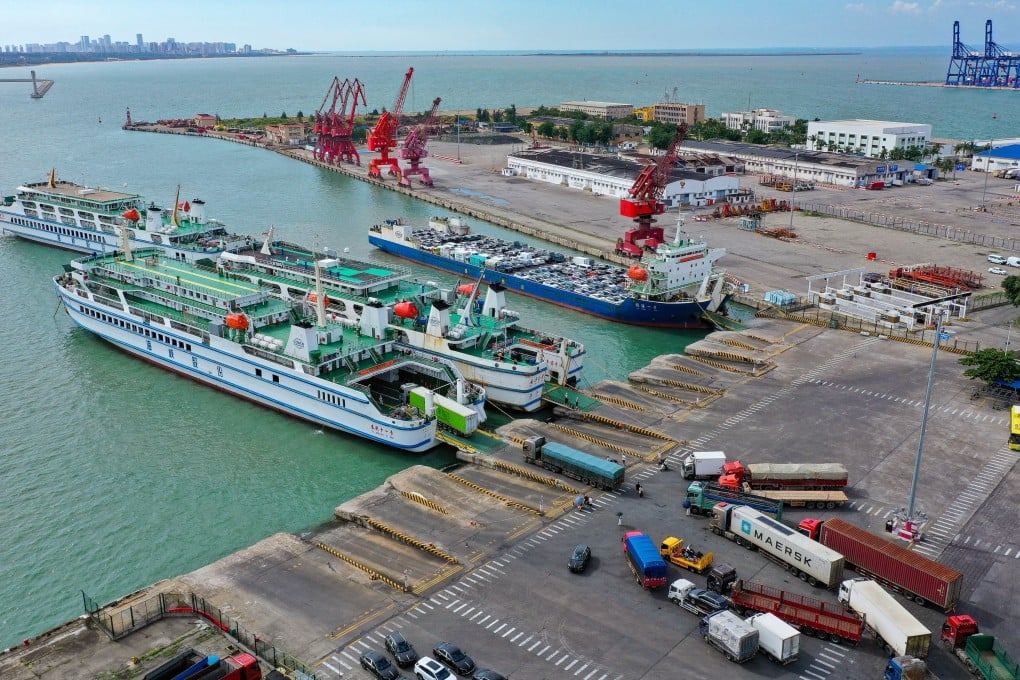
Photo: South China Morning Post
Cargo Volumes Slide at America’s Busiest Port
Port of Los Angeles recorded a sharp slowdown in cargo activity at the start of the year, highlighting the ripple effects of weaker trade flows with China. Total throughput in January dropped roughly 12% year over year, marking the lowest monthly performance for the port in nearly three years.
Executive Director Gene Seroka pointed to sluggish exports — particularly agricultural shipments — as a key factor behind the downturn, describing demand from China as notably weak.
Imports Also Fall Despite Seasonal Demand
Imports, which typically rise ahead of the Lunar New Year as retailers stock up, declined about 13% compared with the same period last year. Analysts note that the comparison is partly skewed because 2025 volumes were unusually high as companies accelerated shipments to get ahead of new tariff measures.
Even accounting for that distortion, January activity underscores softer consumer demand and cautious inventory management across supply chains.
The port handled about 812,000 twenty-foot equivalent units during the month, down from roughly 924,000 a year earlier. Imports totaled approximately 421,000 containers, exports about 104,000, while empty containers — often used as a forward indicator of demand in Asia — fell more than 12% to roughly 286,000 units.
Agricultural Exports and Soybean Trade in Focus
Agricultural shipments have been among the hardest hit categories. U.S. soybean exports routed through Los Angeles to China plunged dramatically last year, reflecting both shifting global supply chains and stronger competition from South American producers.
While discussions between Washington and Beijing included potential large-scale soybean purchases, the impact has yet to meaningfully show up in port volumes. Industry participants emphasize that commodity contracts are negotiated months in advance, meaning any recovery could take several trade cycles to materialize.
Freight Market Feels the Pressure
The slowdown in cargo flows is reverberating across the ocean shipping industry. Lower container volumes have pushed freight rates down sharply, with some routes seeing double-digit percentage declines in recent weeks.
Shipping analysts say excess vessel capacity is now weighing on pricing power, prompting carriers to cancel sailings and reduce available space in an attempt to stabilize rates. In several trade lanes to North America, pricing is approaching break-even levels for operators, underscoring the fragile economics facing the sector.
These adjustments, while necessary for carriers, can create logistical challenges for exporters and importers, including shipment delays as containers wait for available vessels.
Supply Chains Shift Toward Southeast Asia
At the same time, sourcing patterns continue to evolve. Imports from Southeast Asian manufacturing hubs have risen significantly, partially offsetting the drop in China-origin shipments. Countries such as Vietnam, Thailand, and Indonesia posted notable double-digit growth in containerized exports to the United States, reflecting ongoing diversification by global manufacturers.
China still represents a substantial share of the port’s business, but its dominance has gradually declined over the past several years as companies seek to reduce geopolitical and tariff-related risks.
Trade Policy and Outlook
Port officials expect year-over-year comparisons to remain challenging through much of 2026 due to the unusually strong baseline set during the tariff-driven shipping surge in 2025. Early data for February suggests volumes are stabilizing but not yet rebounding decisively.
Despite the near-term weakness, forecasts call for only a modest decline in first-quarter cargo volumes rather than a sharp contraction, suggesting the broader U.S. economy remains relatively resilient.
Still, the latest figures highlight how sensitive port activity is to global trade dynamics, agricultural demand, and policy uncertainty. For exporters, particularly farmers and manufacturers, maintaining competitiveness in international markets will be critical as supply chains continue to realign and freight markets search for equilibrium.
.webp)
Popular articles



Subscribe to unlock premium content
Visa and the Invisible Engine Powering Global Digital Money

Disney’s Streaming Empire Built on Regional Storytelling Power

The Slow Revolution of Steel and Memory Across Eastern Europe

Visa and the Invisible Engine Powering Global Digital Money
Disney’s Streaming Empire Built on Regional Storytelling Power
Visa and the Invisible Engine Powering Global Digital Money