China Plans 7 Percent Military Budget Increase as Defense Modernization Continues

China Plans 7 Percent Military Budget Increase as Defense Modernization Continues
By
David Goldfarb
Last updated:
March 5, 2026
First Published:
April 25, 2026

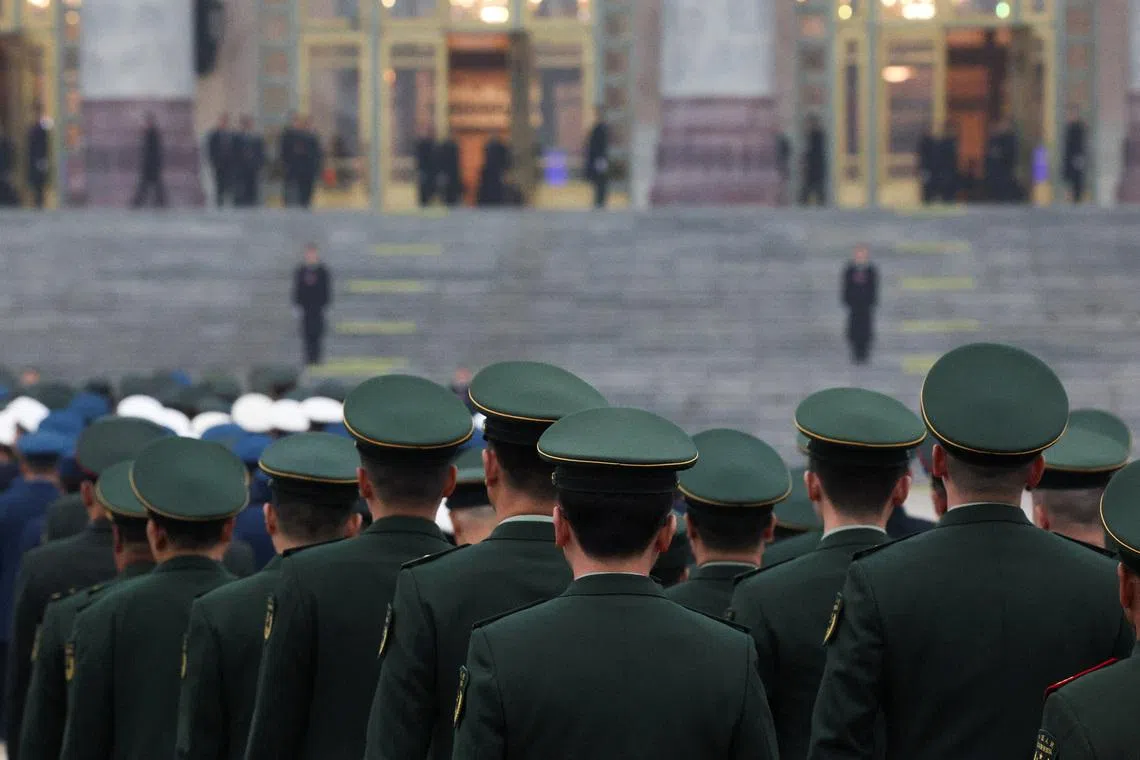
China Outlines New Defense Spending Plan
China has announced plans to increase its military spending by about 7 percent this year, marking the slowest pace of growth in its defense budget since 2021. The proposal was unveiled in Beijing as the country began its annual parliamentary session, a key political event where national economic and policy priorities are formally reviewed and approved.
The spending plan was presented by China’s Ministry of Finance alongside broader economic targets for the year. Despite the slightly slower growth rate, the increase reflects Beijing’s continued commitment to strengthening its armed forces and advancing military modernization programs.
China already ranks as the world’s second-largest military spender, behind only the United States. The new budget signals that defense remains a top strategic priority as geopolitical tensions rise across multiple regions.
Annual Parliamentary Meeting Sets the Policy Agenda
The announcement coincides with the opening of China’s National People’s Congress, an eight-day parliamentary gathering that brings together thousands of delegates from across the country. The meeting is one of the most important political events in China’s calendar, as lawmakers formally approve the national budget, economic targets, and policy objectives for the coming year.
During the session, government officials also release the annual work report outlining key priorities for China’s leadership. This year’s report emphasized the need to accelerate the development of advanced military capabilities while pushing forward what officials describe as the “high-quality modernization” of the country’s national defense forces.
Military reform and technological upgrades remain central to Beijing’s long-term strategy as it seeks to transform its armed forces into a more advanced and globally capable military.
Defense Budget Continues Multi-Year Growth Trend
Although this year’s increase is slightly lower than previous years, China’s military budget has steadily expanded over the past decade.
Over the last three years, Beijing maintained annual defense spending increases of roughly 7.2 percent. Earlier increases included 7.1 percent in 2022 and 6.8 percent in 2021. The new 7 percent increase continues that general upward trajectory while reflecting modest adjustments in growth pace.
In 2024, China proposed a defense budget of approximately 1.78 trillion yuan, which was valued at about $245 billion at the time. That figure represented a significant share of the country’s total government spending and highlighted the importance Beijing places on national security.
However, many analysts believe China’s official defense figures may not fully reflect the total scale of its military spending.
Actual Military Spending Likely Higher
Independent estimates suggest that China’s true military expenditure may be significantly larger than the official budget figures suggest.
According to a recent report submitted to the U.S. Congress by the U.S. Department of Defense, China’s total defense spending in 2024 was estimated to fall between $304 billion and $377 billion. That range is approximately 32 percent to 63 percent higher than the officially reported Chinese defense budget of about $231 billion for that year.
Analysts say the gap between official numbers and estimated spending may be due to various off-budget expenditures, including military research programs, strategic infrastructure development, and other defense-related investments that are not included in the publicly reported figures.
China Expands Military Modernization Programs
China’s latest policy report also highlighted several milestones in its ongoing military modernization campaign. One of the most notable developments was the commissioning of the country’s first domestically built aircraft carrier, known as the Fujian.
The carrier officially entered service in November 2025 and represents a significant technological achievement for China’s naval forces. Designed with advanced electromagnetic launch systems and modern aviation capabilities, the Fujian is expected to strengthen China’s ability to project naval power across regional waters.
In addition to naval upgrades, China has been actively developing new missile technologies, including advanced long-range systems capable of striking distant targets. Several of these weapons were showcased during a large military parade held in September, where Beijing displayed some of its newest defense technologies.
These developments reflect China’s broader effort to modernize its military equipment and shift toward more technologically advanced warfare capabilities.
Regional Security Tensions Influence Defense Strategy
China’s defense spending plans also come amid growing geopolitical tensions in several regions.
The government’s work report reiterated Beijing’s stance on Taiwan, emphasizing that China would firmly oppose any efforts aimed at what it calls “Taiwan independence.” Officials also stated that the country would take strong action against external interference in the issue.
The Taiwan Strait remains one of the most sensitive geopolitical flashpoints in the Asia-Pacific region. Military exercises, diplomatic tensions, and strategic competition between global powers have kept the issue at the center of international security discussions.
Beyond Taiwan, rising instability in parts of the Middle East and increasing global geopolitical competition have also influenced defense policies around the world.
China’s Growing Share of Asia’s Military Spending
China’s rising military investments have significantly reshaped the defense spending landscape across Asia.
According to estimates from the International Institute for Strategic Studies, China accounted for nearly 44 percent of total defense spending in Asia in 2025. That represents a substantial increase compared with 2017, when China made up around 39 percent of the region’s military expenditures.
The growth reflects both China’s economic expansion and its long-term strategic focus on strengthening military capabilities. As China’s defense spending rises, many neighboring countries have also increased their own military budgets in response to shifting regional security dynamics.
United States Remains the Largest Military Spender
Despite China’s rapid growth in defense spending, the United States remains by far the world’s largest military spender.
For the 2025 fiscal year, the United States allocated approximately $849.77 billion for defense in its federal budget. However, estimates from independent organizations suggest that total U.S. military spending reached about $919.2 billion during the same period.
That figure represented a roughly 2 percent increase compared with the previous year and accounted for approximately 13 percent of the entire U.S. federal budget.
The large gap between U.S. and Chinese spending illustrates the scale of American military investment, although China’s defense budget has been growing steadily as Beijing continues expanding its capabilities.
Outlook for China’s Military Strategy
China’s latest defense budget increase highlights a consistent strategy of steady, long-term military expansion rather than sudden dramatic spikes in spending.
While the growth rate has slowed slightly compared with recent years, the continued investment underscores Beijing’s focus on developing advanced technologies, strengthening its armed forces, and expanding its strategic influence.
As global geopolitical tensions continue to evolve, China’s military modernization efforts are expected to remain a key component of its national policy and long-term security planning.
.webp)
Popular articles



Subscribe to unlock premium content
The Market for Renting Private Libraries Where Only Rare, Unpublished Manuscripts Exist

Living Underwater in the Heart of the City

Frozen Luxury in Europe

The Market for Renting Private Libraries Where Only Rare, Unpublished Manuscripts Exist
Living Underwater in the Heart of the City
The Market for Renting Private Libraries Where Only Rare, Unpublished Manuscripts Exist