China Inflation Reaches Near Two Year Peak as Producer Prices Sink Further

China Inflation Reaches Near Two Year Peak as Producer Prices Sink Further
By
Rachel Steinberg
Last updated:
December 10, 2025
First Published:
December 10, 2025

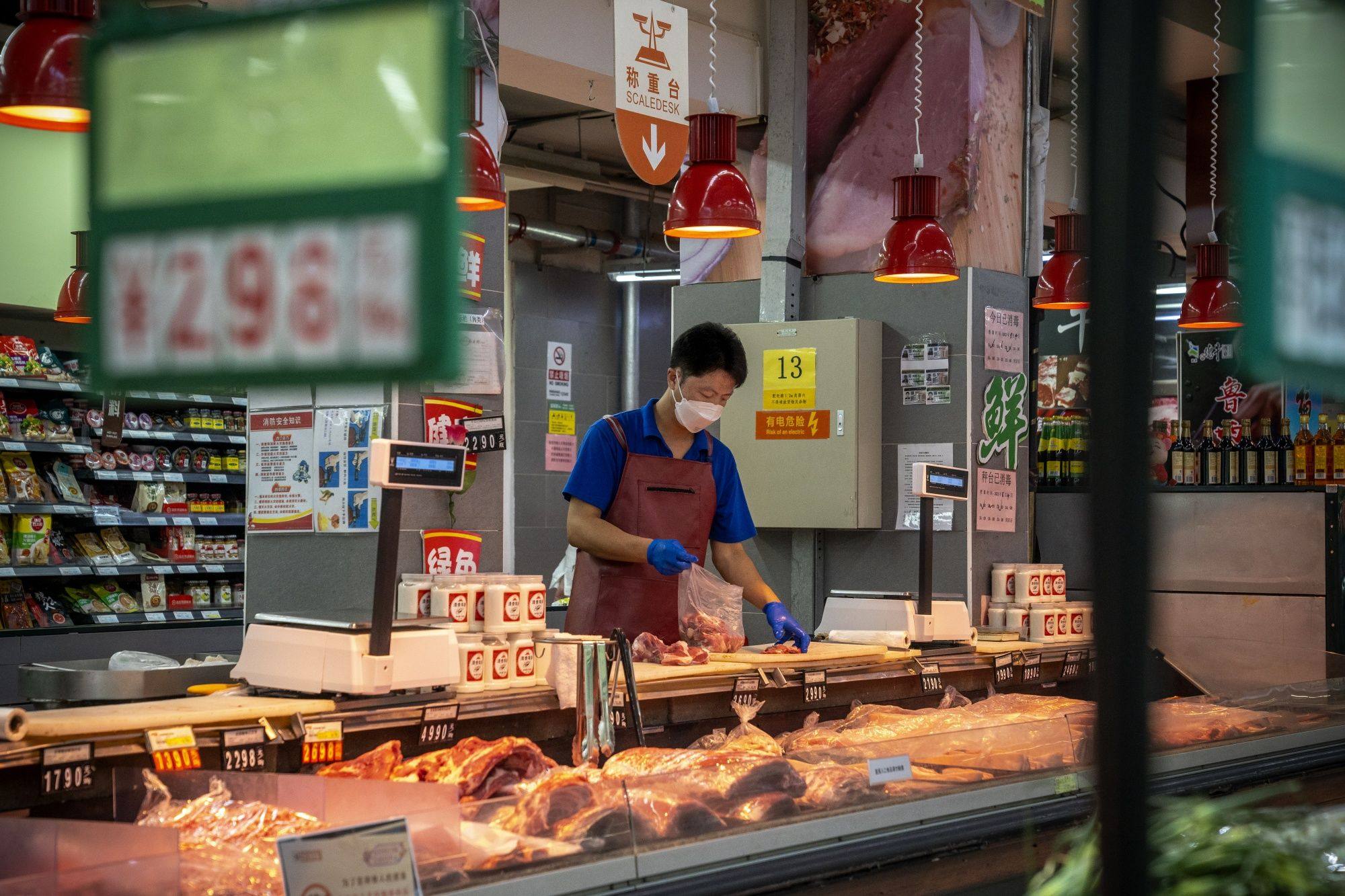
Photo: South China Morning Post
China’s latest inflation data paints a complex picture of an economy struggling to generate sustained consumer momentum while industry continues to battle persistent price declines. New figures from the National Bureau of Statistics show that consumer inflation in November reached its strongest reading in almost two years even as producer price deflation widened for the fourth consecutive year.
Rising Consumer Prices Driven by Food and Gold
Consumer prices increased 0.7 percent year over year in November. This marks a significant acceleration from October’s 0.2 percent rise and aligns with economists’ expectations for a modest rebound. The improvement was primarily driven by a sharp reversal in food prices, which climbed 0.2 percent compared to the steep 2.9 percent decline recorded a month earlier. Meanwhile, energy prices continued to weigh on the index, falling 3.4 percent from a year earlier.
Core inflation, which excludes food and energy, remained unchanged at a 1.2 percent annual increase. A substantial contributing factor was the surge in gold accessory prices, which soared more than 58 percent year over year as households sought safe haven assets amid global economic uncertainty and geopolitical tensions.
Household goods and apparel also saw noticeable gains, supported by Beijing’s targeted consumption incentives. Prices for home appliances rose nearly 5 percent, while clothing climbed 2 percent. However, vehicle prices continued to fall as both gasoline powered and new energy cars faced intense industry competition and excess inventory.
Producer Prices Signal Ongoing Industrial Weakness
Despite the improvement in CPI, producer prices highlighted deeper economic challenges. Factory gate prices declined 2.2 percent in November from a year earlier, missing market forecasts and marking another step in an extended deflationary cycle that has persisted since 2021. Coal mining and washing recorded an 11.8 percent price plunge, and oil and gas extraction fell more than 10 percent, reflecting oversupply and weaker global commodity demand.
On a month to month basis, the CPI slipped by 0.1 percent, contrary to expectations for a small increase. Travel related services such as hotels, flights, and tour operators saw notable cooling following the seasonal holiday boost in October.
Analysts warn that while consumer prices are stabilizing, the overall inflation environment remains fragile. Goldman Sachs noted that the November CPI reading was heavily influenced by temporary factors including weather related vegetable shortages and the earlier surge in gold prices.
Broader Economic Pressures Persist
China continues to grapple with structural issues that have kept demand subdued despite multiple rounds of targeted stimulus. A slow moving real estate downturn has constrained household confidence and spending, while labour market softness has discouraged discretionary consumption. Manufacturers across several sectors are still cutting prices aggressively to clear inventory and maintain market share.
Market analysts argue that until domestic demand rebounds more fully, China’s recovery will continue to appear uneven. Some segments show resilience, particularly in exports. The country recorded more than one trillion dollars in trade surplus during the first eleven months of the year, surpassing last year’s full year figure and highlighting how manufacturers have expanded shipments to markets outside the United States to offset geopolitical headwinds.
Policy Outlook and Economic Priorities
Policymakers have signalled that expanding domestic demand and stabilising supply side conditions will be central objectives for 2026. The ruling Politburo recently affirmed that while supportive measures will continue, broad and aggressive stimulus remains unlikely. Economists expect that authorities may need to shift to a more assertive policy stance next year to counter persistent pressures from the property sector and employment challenges.
The upcoming Central Economic Work Conference is expected to clarify the government’s priorities for the year ahead, including targets for GDP growth, consumption, industrial capacity, and fiscal support. However, official targets will not be released until the annual legislative meetings in March.
China may be on track to meet its growth goal of approximately 5 percent this year, but the inflation data underscores how difficult it remains to engineer a steady recovery when both consumers and producers are constrained by deeper structural headwinds.

Popular articles


Subscribe to unlock premium content
London’s Gourmet Playgrounds

From Bean to Buzz in Thailand
The Secret Life of Pop-Up Luxury Restaurants in Paris

London’s Gourmet Playgrounds
From Bean to Buzz in Thailand
London’s Gourmet Playgrounds