China Accuses Japan of Military Provocation
By
Calder Monroe
Last updated:
December 9, 2025
First Published:
December 9, 2025

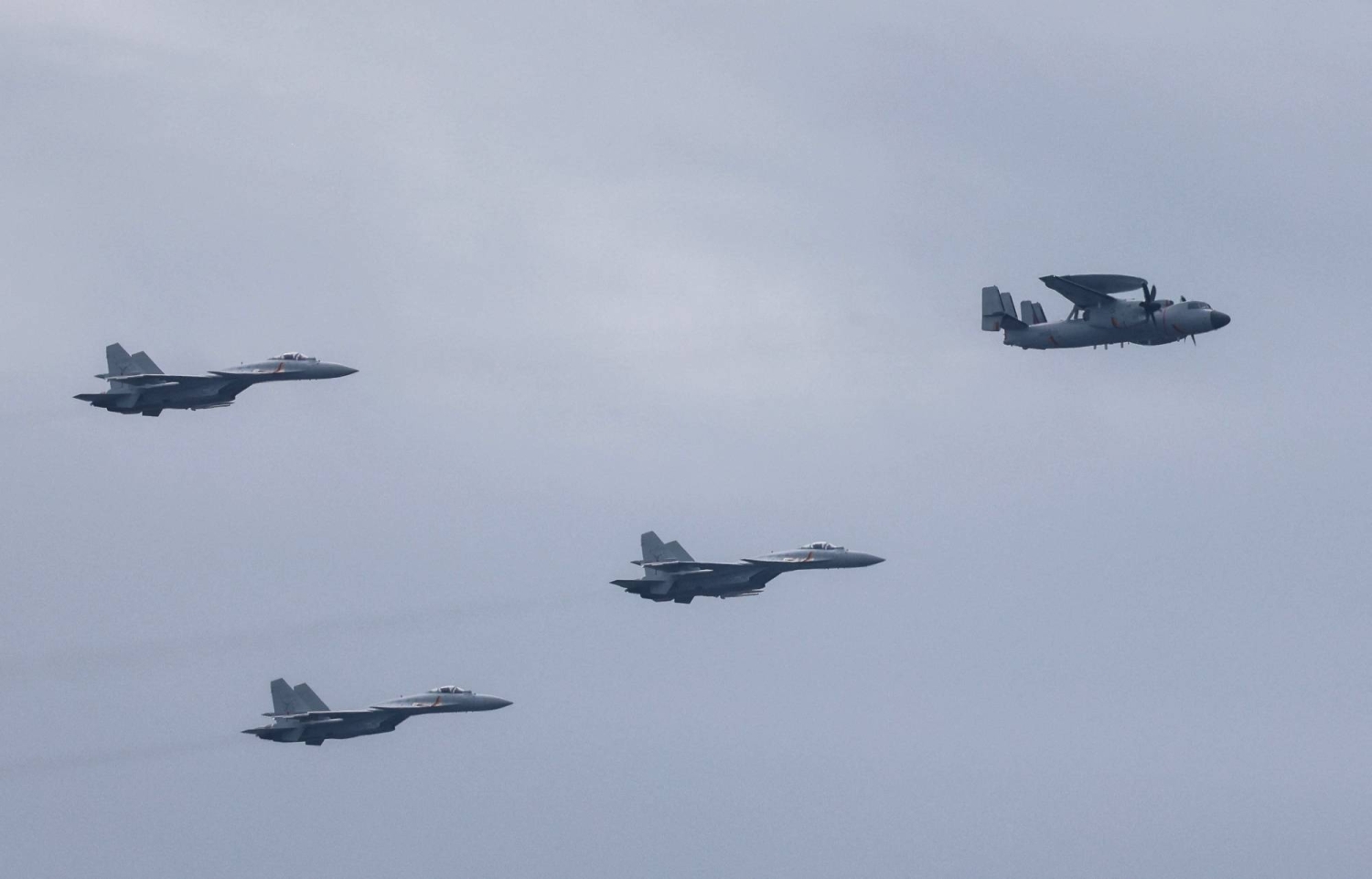
Rising Tensions Between China and Japan
China has sharply escalated its criticism of Japan after Tokyo accused Chinese fighter jets of directing radar at Japanese aircraft during a recent encounter. While Japan denounced the radar lock-on as a dangerous threat to its pilots, China pushed back, saying Japan repeatedly approached and disrupted naval drills that had been publicly announced in advance. The training involved carrier-based operations east of the Miyako Strait, an area that has long been a flashpoint between the two countries.
The diplomatic atmosphere has worsened in recent weeks, especially after Japanese Prime Minister Sanae Takaichi warned that Japan could respond militarily if any Chinese action against Taiwan directly endangered Japan’s national security. This statement was received in Beijing as a dramatic expansion of Japan’s regional posture.
China’s Foreign Minister Issues Direct Warning
During a meeting in Beijing with German Foreign Minister Johann Wadephul, Chinese Foreign Minister Wang Yi condemned Japan’s actions and statements, framing them as irresponsible and historically insensitive. He emphasized that this year marks the 80th anniversary of the end of World War Two, arguing that Japan — as a former defeated power — should act with greater restraint.
Wang accused Japan’s leadership of “exploiting the Taiwan issue” despite Taiwan having been a Japanese colony for 50 years. He said Japan’s attempts to link Taiwan to its own security amounted to provoking China and increasing the risk of military confrontation. According to Wang, Taiwan’s status as Chinese territory is rooted in “irrefutable historical and legal facts,” and China views any foreign involvement in the matter as interference in its sovereignty.
Japan governed Taiwan from 1895 to 1945, before the island was transferred to the Republic of China at the end of World War Two. The ROC government later retreated to Taiwan after its defeat in the Chinese civil war, where it remains to this day under a democratic system that rejects Beijing’s territorial assertions.
Taiwan Responds to Beijing’s Narrative
Taiwan’s Foreign Ministry firmly rejected Wang’s claims, underscoring that the People’s Republic of China has never governed the island and has no legitimate authority over its people. Spokesperson Hsiao Kuang-wei stressed that only Taiwan’s democratically elected government represents its 23 million citizens on the world stage. The ministry also accused Beijing of distorting historical events to justify political goals, pointing out that the PRC did not exist in 1945.
Japan Maintains Its Position on the Radar Incident
In Tokyo, Chief Cabinet Secretary Minoru Kihara reiterated Japan’s stance that radar targeting is an unsafe act that exceeds international norms for professional military behavior. He declined to confirm reports that China did not answer Japan’s hotline calls during the incident — a direct communication channel established in 2018 to prevent misunderstandings during military encounters.
As tensions continue to build, both sides remain firm in their positions, leaving regional stability increasingly vulnerable to miscalculation.
.webp)
Popular articles



Subscribe to unlock premium content
Immersive Worlds on Stage

Freedom on Wheels in Portugal

a very very descriptive final thoughts

Immersive Worlds on Stage
Freedom on Wheels in Portugal
Immersive Worlds on Stage