Central Banks Reverse Gold Strategy as Liquidity Pressures Trigger Sell-Off

Central Banks Reverse Gold Strategy as Liquidity Pressures Trigger Sell-Off
By
Leah Rosenfeld
Last updated:
April 15, 2026
First Published:
April 15, 2026


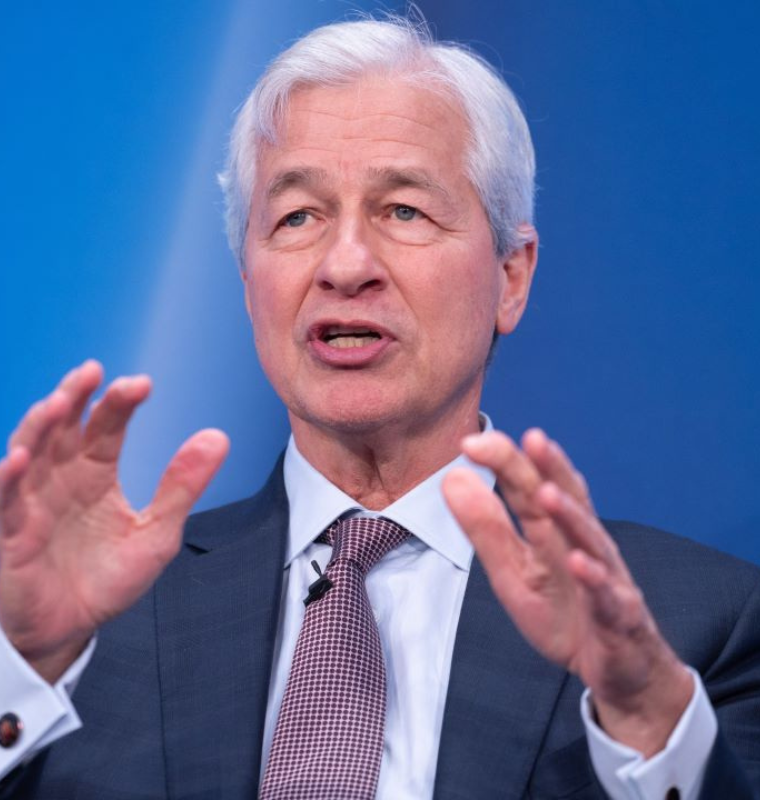
Photo: Business Standard
From Record Buying to Strategic Selling
After years of aggressive accumulation, central banks are now shifting direction and beginning to sell gold reserves, marking a notable reversal in global monetary strategy. The same institutions that drove gold demand to historic highs are now becoming a source of supply, reflecting mounting financial pressures and changing macroeconomic priorities.
This transition comes at a time when global markets remain volatile, shaped by geopolitical tensions, elevated interest rates, and uneven economic recovery. While gold has traditionally served as a safe-haven asset during uncertainty, central banks are increasingly prioritizing liquidity over long-term reserve diversification.
Gold Prices Lose Momentum Despite Global Tensions
Gold prices have declined approximately 12 percent from their peak earlier this year, entering a corrective phase despite ongoing geopolitical risks. Under normal circumstances, heightened global uncertainty would support higher gold prices. However, the current environment is being shaped by a different set of forces.
Higher global interest rates have increased the opportunity cost of holding non-yielding assets like gold. At the same time, a stronger U.S. dollar has made gold more expensive for many countries, reducing demand and encouraging profit-taking.
The shift in central bank behavior has added further downward pressure, as consistent buying has historically been one of the key pillars supporting gold prices in recent years.
Emerging Markets Lead the Shift
The move toward selling is being led primarily by emerging market central banks. These economies are facing a combination of currency depreciation, capital outflows, and rising fiscal demands, all of which are straining foreign exchange reserves.
To stabilize their currencies and meet domestic funding needs, policymakers are increasingly turning to gold as a liquid asset that can be converted into cash relatively quickly. In many cases, this involves selling portions of their gold reserves to support local currencies or finance government spending.
For countries dealing with volatile exchange rates, maintaining currency stability often takes precedence over holding large quantities of gold, especially when external debt obligations and import costs are rising.
War and Fiscal Pressures Drive Liquidity Needs
Ongoing geopolitical conflicts and defense spending have significantly increased fiscal pressures for many nations. Governments are allocating more resources toward energy security, military expenditure, and social support programs, particularly in regions directly or indirectly affected by conflict.
These rising expenditures are forcing central banks to reassess how their reserves are structured. While gold remains a valuable long-term asset, it is less flexible than cash or highly liquid foreign currencies in times of immediate need.
As a result, selling gold becomes a practical option to unlock capital without increasing borrowing levels, especially in environments where debt markets are already strained.
A Shift in Reserve Management Strategy
The current trend does not necessarily signal a loss of confidence in gold as a strategic asset. Instead, it reflects a tactical adjustment in reserve management. Central banks are balancing long-term diversification goals with short-term liquidity requirements.
In recent years, many countries increased their gold holdings to reduce reliance on the U.S. dollar and hedge against financial sanctions or currency risks. That structural motivation remains intact. However, the immediate need for liquidity is temporarily outweighing those considerations.
Some analysts expect this selling phase to be cyclical rather than permanent, with central banks potentially returning to net buying once financial conditions stabilize.
Market Implications and Investor Outlook
The shift from buying to selling has important implications for global markets. Central bank demand has been a major driver of gold’s multi-year rally, and any sustained reduction in that demand could keep prices under pressure in the near term.
At the same time, private investors are closely watching central bank activity as a signal of broader economic trends. Increased selling may indicate tightening financial conditions, particularly in emerging markets, which could have spillover effects on currencies, bond markets, and global trade.
However, gold’s long-term fundamentals remain supported by structural factors such as inflation concerns, geopolitical uncertainty, and diversification needs. While the current phase may be characterized by volatility and price corrections, the metal continues to play a critical role in the global financial system.
A Balancing Act in a Complex Global Economy
Central banks are navigating an increasingly complex economic landscape where traditional strategies are being tested by new challenges. The decision to sell gold highlights the tension between maintaining financial stability today and preserving strategic reserves for the future.
As global conditions evolve, reserve management is becoming more dynamic, requiring policymakers to adapt quickly to shifting risks. The current gold sell-off is less about abandoning a safe haven and more about responding to immediate economic realities in a world defined by uncertainty and rapid change.
.webp)
Popular articles



Subscribe to unlock premium content
Namibia Is Quietly Building the Future of Ultra Remote Eco Luxury
.png)
Colombia’s Coffee Regions Are Becoming Luxury Travel Destinations Hidden in the Highlands

Chile’s Desert Skies Are Becoming the World’s Most Exclusive Destination

Namibia Is Quietly Building the Future of Ultra Remote Eco Luxury
Colombia’s Coffee Regions Are Becoming Luxury Travel Destinations Hidden in the Highlands
Namibia Is Quietly Building the Future of Ultra Remote Eco Luxury