CarMax Shares Slide Despite Earnings Beat as New CEO Unveils Long-Term Growth Strategy

CarMax Shares Slide Despite Earnings Beat as New CEO Unveils Long-Term Growth Strategy
By
Rachel Steinberg
Last updated:
June 18, 2026
First Published:
June 18, 2026

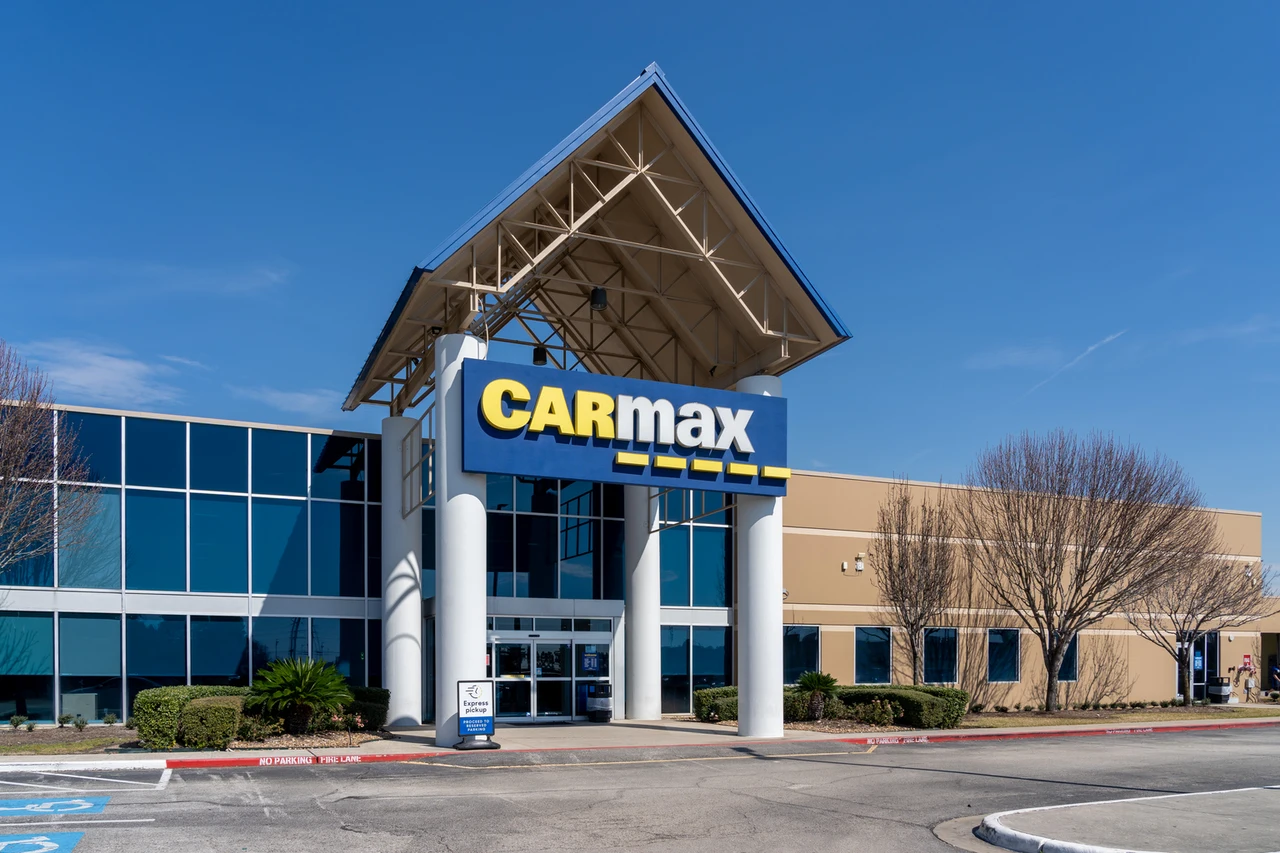
Photo: Seeking Alpha
CarMax delivered stronger-than-expected quarterly results, but investors remained unconvinced that the used-car giant can quickly overcome the challenges facing the automotive retail industry.
Shares of the company fell sharply after earnings, even as revenue and earnings per share comfortably surpassed Wall Street forecasts. The market reaction reflected growing concerns about shrinking vehicle margins, profitability pressures, and the lengthy timeline attached to the company's newly announced turnaround strategy.
Under recently appointed CEO Keith Barr, CarMax is embarking on a multi-year transformation designed to accelerate growth, improve efficiency, and modernize the customer experience. However, investors appear focused on the execution risks and uncertain economic environment that could make those goals difficult to achieve.
Earnings Beat Expectations but Investors Look Beyond the Headlines
At first glance, CarMax delivered a strong quarter.
The company reported earnings per share of $1.31, significantly ahead of analyst estimates of $0.95. Revenue also exceeded expectations, reaching $8.01 billion compared with forecasts of approximately $7.42 billion.
The results demonstrated continued demand for used vehicles despite elevated interest rates and affordability concerns that continue to affect consumers across the automotive market.
Revenue increased 6.2% year over year, highlighting the company's ability to maintain sales momentum in a challenging environment.
However, investors quickly shifted their attention away from the top-line growth and focused instead on profitability metrics that revealed ongoing pressure on the business.
Margin Compression Remains a Key Concern
One of the biggest issues weighing on investor sentiment was the decline in vehicle profitability.
CarMax reported total gross profit of $854.4 million, representing a 4.4% decrease from the same period a year earlier.
Even more concerning for analysts was the decline in gross profit generated from retail used-vehicle sales.
Retail used-vehicle gross profit fell 9.5% year over year, while gross profit per retail unit dropped to $2,177.
That figure represents a decline of $230 per vehicle compared with the record levels achieved during the previous year.
The numbers suggest that while CarMax continues to sell vehicles, it is generating less profit on each transaction.
For investors, this trend raises questions about pricing power, competition, inventory management, and the company's ability to maintain earnings growth if margins continue to narrow.
Net Income Declines Despite Revenue Growth
Although sales increased, earnings moved in the opposite direction.
CarMax reported net income of $185.6 million, down 11.8% from the $210.4 million earned during the same quarter last year.
The decline illustrates the difficult balancing act facing automotive retailers today.
While vehicle demand remains relatively healthy, higher operating expenses, financing costs, and competitive pressures are making it harder for companies to translate revenue growth into bottom-line profit expansion.
The automotive retail sector has faced a particularly complex environment over the past several years, moving from pandemic-related inventory shortages and record vehicle prices to a market characterized by affordability challenges and cautious consumer spending.
New CEO Begins a Major Transformation Effort
The earnings report also marked one of the first major updates from Keith Barr since taking over as CEO in March.
Barr arrived at CarMax after serving as CEO of the global hospitality company InterContinental Hotels Group, bringing extensive experience in customer service, operations, and large-scale business transformation.
Since assuming leadership, Barr has spent much of his time evaluating CarMax's operations, identifying growth opportunities, and developing a long-term strategy aimed at improving profitability and shareholder value.
According to Barr, the company's future strategy centers on four major pillars: strengthening its product offerings, simplifying the customer experience, creating additional value for buyers, and operating more efficiently.
Management believes these initiatives can generate sustainable growth while improving operational performance over time.
However, Barr acknowledged that the transformation will not happen overnight.
The full strategy is expected to unfold over several years, with more detailed plans scheduled to be presented later this year.
Technology and AI Take Center Stage
A significant component of CarMax's turnaround strategy involves technology and artificial intelligence.
Barr has already introduced several operational changes designed to improve customer engagement and streamline the vehicle purchasing process.
Among the early initiatives are website enhancements that provide greater transparency around monthly payment information, helping customers better understand affordability before entering the purchasing process.
The company has also implemented AI-powered call agents to improve customer support and operational efficiency.
Artificial intelligence is increasingly becoming a major investment area across the retail and automotive industries, with companies seeking ways to reduce costs, improve customer service, and increase productivity.
CarMax's leadership believes technology can play a central role in creating a more seamless experience that integrates online shopping with physical dealership visits.
Why Physical Stores Still Matter
Despite growing digital adoption, CarMax continues to see significant value in its nationwide network of retail locations.
The company operates more than 240 stores across the United States, giving it one of the largest physical footprints in the used-vehicle industry.
Barr noted that most customers still prefer to see, inspect, and test a vehicle before making a purchase.
This hybrid approach—combining digital convenience with in-person experiences—remains a key differentiator for the company.
Management believes its extensive store network provides a competitive advantage that purely online competitors may struggle to replicate.
Competition Intensifies Across the Used-Car Market
CarMax is pursuing its turnaround amid fierce competition throughout the automotive retail landscape.
The used-vehicle market has evolved dramatically over the past decade as digital-first platforms challenge traditional dealership models.
One of the company's biggest rivals, Carvana, has become a major force by focusing almost entirely on online vehicle sales and home delivery.
Interestingly, Carvana's shares also declined during the same trading session after the company revealed plans involving new franchised stores linked to automotive manufacturer Stellantis.
The initiative would allow customers to test-drive and service vehicles at physical locations while still completing purchases through Carvana's online platform.
The move reflects a broader industry trend in which digital retailers are increasingly incorporating physical elements into their business models, while traditional retailers continue investing heavily in digital capabilities.
Investors Await More Details
Although CarMax shares fell following the earnings report, the stock has still delivered strong gains over the broader year.
The company remains approximately 25% higher year-to-date, supported in part by optimism surrounding the leadership transition and the potential for operational improvements under Barr.
Shares have also risen notably since Barr officially assumed the CEO role, suggesting investors remain interested in the long-term opportunity despite short-term concerns.
The next major catalyst will likely come later this year when management provides additional details regarding its transformation strategy.
Analysts will be looking for measurable targets related to revenue growth, operating margins, cost reductions, digital adoption, and profitability improvements.
The Road Ahead for CarMax
CarMax remains one of the largest and most recognizable names in the U.S. used-vehicle market, selling hundreds of thousands of vehicles annually and generating billions of dollars in revenue.
However, the company is navigating a rapidly changing industry where consumer expectations, financing conditions, technology, and competitive dynamics continue to evolve.
The latest earnings report demonstrated that demand remains resilient, but it also highlighted the challenges of maintaining profitability in a highly competitive market.
For Keith Barr and his leadership team, the task ahead is clear: improve efficiency, restore margin growth, leverage technology, and strengthen the customer experience without sacrificing scale.
Whether those efforts translate into sustainable earnings growth will likely determine the next chapter for CarMax and whether investors ultimately embrace the company's ambitious turnaround plan.
.webp)
Popular articles



Subscribe to unlock premium content
Africa’s Leap into Cashless Economies

Revving Up Revenue with Young Luxury Buyers
Custom Glow in South Korea

Africa’s Leap into Cashless Economies
Revving Up Revenue with Young Luxury Buyers
Africa’s Leap into Cashless Economies
.png)