
Canada’s Mark Carney Pushes Back on Trump Claims, Reaffirms Davos Warning on Global Trade Shifts

Canada’s Mark Carney Pushes Back on Trump Claims, Reaffirms Davos Warning on Global Trade Shifts
By
Rachel Steinberg
Last updated:
January 28, 2026
First Published:
April 25, 2026

.webp)
Photo: Bloomberg.com
Carney Rejects Claims He Softened His Davos Message
Canadian Prime Minister Mark Carney forcefully denied suggestions that he had retreated from his high-profile World Economic Forum remarks, saying he made it clear to President Donald Trump that he fully stands by what he said in Davos.
Speaking to reporters in Ottawa on Tuesday, Carney addressed comments from U.S. Treasury Secretary Scott Bessent, who claimed that the Canadian leader had privately walked back parts of his speech during a phone call with Trump earlier in the day.
“To be absolutely clear, and I said this directly to the president, I meant what I said in Davos,” Carney said, dismissing Bessent’s account.
Bessent had stated in a televised interview the night before that Carney was “very aggressively walking back” what he described as “unfortunate remarks” made in Switzerland. Carney responded by flatly rejecting that characterization.
A Davos Speech That Sparked International Attention
At last week’s World Economic Forum in Davos, Carney delivered a speech that drew widespread attention across political and financial circles. In his address, he argued that the long-standing U.S.-led global order is entering a period of structural change, saying it is in the “midst of a rupture.”
He warned that the traditional bargain underpinning American economic leadership “no longer works,” and accused major powers of increasingly weaponizing trade tools such as tariffs and sanctions. The speech received a rare standing ovation from the Davos audience, reflecting growing unease among global leaders about rising protectionism and geopolitical fragmentation.
Carney later said the remarks were meant to signal that Canada was among the first countries to recognize the shift in U.S. trade policy and was actively adapting by strengthening partnerships around the world.
The address came against a tense backdrop, including President Trump’s push for European cooperation over Greenland and mounting pressure on allies to realign trade relationships.
Call With Trump Covered Ukraine, Arctic Security, and Trade
Carney confirmed that Trump personally called him following the Davos speech. According to the Canadian prime minister, their conversation covered a wide range of issues, including the war in Ukraine, Arctic security — a reference to the Greenland dispute — and Canada’s efforts to expand its global trade footprint.
Carney said he emphasized Canada’s proactive strategy, highlighting that Ottawa has secured 12 new trade and cooperation agreements across four continents in just six months.
“He was impressed,” Carney said of Trump’s reaction.
The prime minister also noted that he discussed Canada’s evolving economic partnerships, including engagement with China, as part of a broader diversification strategy in response to Washington’s increasingly aggressive tariff policies.
Canada Seeks New Partners as U.S. Trade Pressure Grows
Canada is among several U.S. trading partners reassessing their economic strategies amid the Trump administration’s unpredictable use of tariffs. Countries including Canada, parts of Europe, and key Asian economies have accelerated outreach to markets such as China and India to reduce reliance on the United States.
However, Carney was careful to clarify that Canada does not plan to pursue a formal free trade agreement with China, stating over the weekend that such a deal is not currently on Ottawa’s agenda.
Despite that, Trump has sharply criticized Carney and Canada, accusing them of ingratitude toward the U.S. Following the Davos speech, Trump withdrew Canada’s invitation to join his proposed “Board of Peace.” He also warned that Washington could impose tariffs of up to 100% on Canadian imports if Ottawa deepens trade ties with Beijing.
Such a move would have major consequences for Canada’s economy, given that the U.S. remains its largest trading partner by far, with bilateral trade exceeding hundreds of billions of dollars annually across energy, automotive, agriculture, and manufacturing sectors.
A Defiant Message From Ottawa
When pressed again by reporters on whether he had softened any of his Davos comments during the call with Trump, Carney responded with a single word: “No.”
His stance signals that Canada is prepared to defend its foreign policy position even as relations with Washington become more strained. Analysts say Carney’s approach reflects a broader effort to balance Canada’s deep economic ties to the U.S. with a growing need to diversify trade in an increasingly fragmented global economy.
As tariff threats loom and geopolitical tensions continue to reshape international commerce, Carney’s message from Ottawa is clear: Canada intends to chart its own course — and he is not backing away from that declaration.
.webp)
Popular articles



Subscribe to unlock premium content
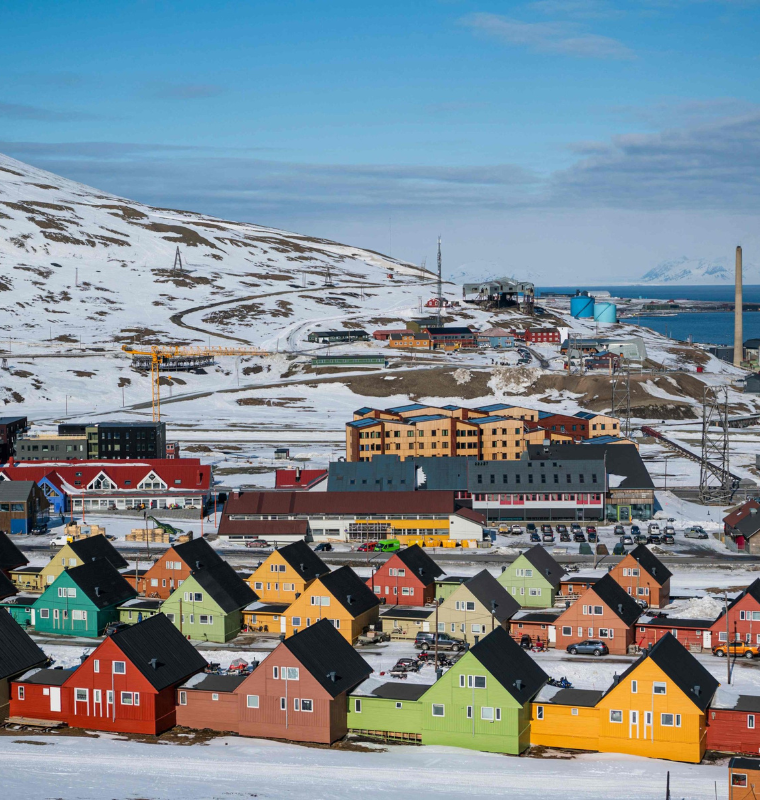
Crypto in the Arctic
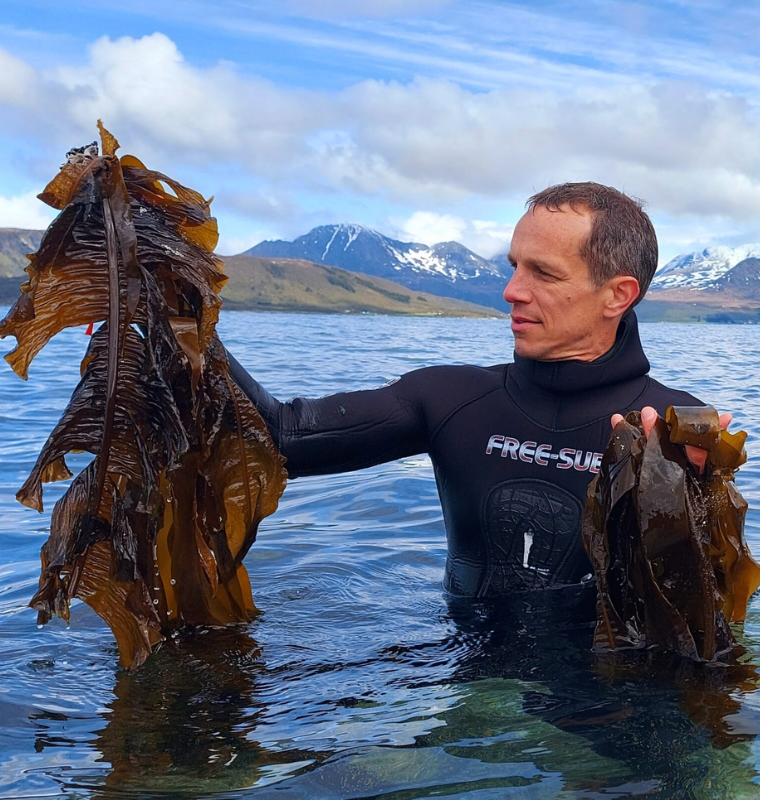
Iceland’s Seaweed Revolution
Private Island Rentals for Corporate Retreats Hit $1 Billion

Crypto in the Arctic
Iceland’s Seaweed Revolution
Crypto in the Arctic


