Britain’s Wealth Tax Debate Heats Up
By
Alina Sinclair
Last updated:
May 27, 2026
First Published:
May 27, 2026

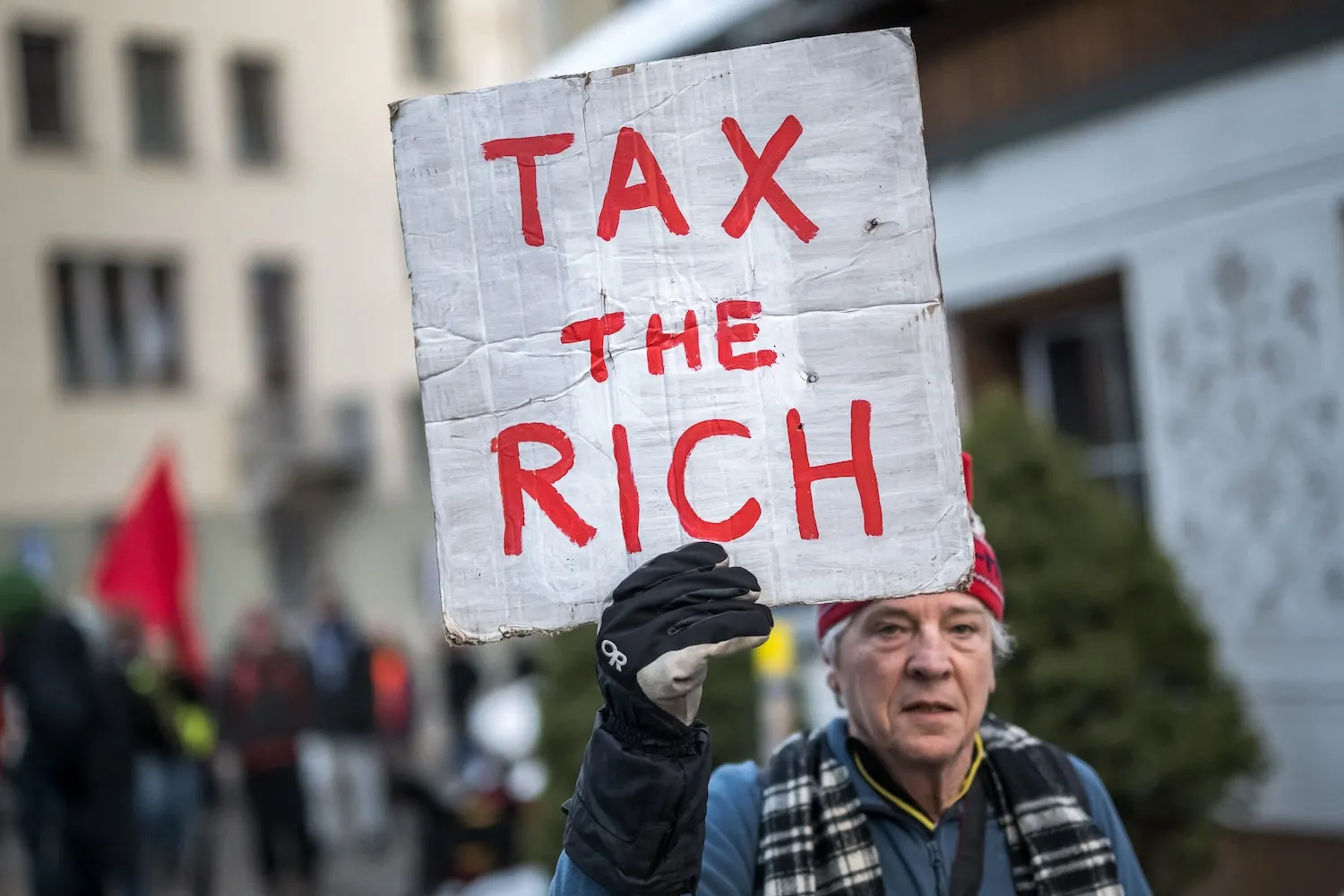
The debate around taxing wealth in Britain is returning to the center of political discussion, with senior Labour figures increasingly arguing that income generated from assets should not receive lighter tax treatment than income earned from work. Supporters see it as a way to create a fairer tax system and raise additional government revenue at a time of fiscal pressure. Critics, however, argue that the reality is far more complex and that aggressive changes could trigger unintended economic consequences.
As conversations around Labour’s future direction intensify, the question is no longer simply whether wealth should be taxed more heavily. The larger issue is whether Britain can redesign its tax system without discouraging investment, driving away high earners, or creating an expensive administrative burden.
The Proposal Behind the Debate
Although often described as a "wealth tax," the proposal currently attracting attention is not technically a direct tax on wealth itself.
The idea focuses on aligning capital gains tax rates with income tax rates. At present, Britain's tax system treats earnings and investment gains differently.
Higher and additional-rate taxpayers currently face income tax rates of 40% and 45% on earnings. Capital gains, however, are taxed at considerably lower levels. Most gains above the annual tax-free allowance face rates around 24%, while carried interest receives different treatment.
Supporters of reform argue that this creates an imbalance where individuals who generate wealth through ownership of assets often pay proportionately less tax than workers earning salaries.
The argument is straightforward: a person earning money through investments should not necessarily receive significantly lighter tax treatment than someone earning through employment.
Economic researchers and policy advocates estimate that aligning these rates could potentially generate billions in additional government revenue annually, potentially helping fund public services, reduce borrowing pressures, and support broader economic priorities.
However, estimated revenue gains remain highly debated.
Why Raising Capital Gains Taxes May Not Deliver Expected Revenue
Tax increases often appear more straightforward on paper than in reality.
Unlike wages, capital gains are largely voluntary because they are triggered when assets are sold. Investors can choose when to realize gains, delay sales for years, or restructure holdings to reduce tax exposure.
This flexibility creates a major challenge for governments attempting to generate predictable revenue.
If rates rise substantially, investors may simply postpone selling assets, causing taxable transactions to decline.
Economists sometimes refer to this as the "lock-in effect," where investors hold assets longer simply to avoid taxation.
There are additional complications.
Under current rules, some capital gains liabilities can effectively disappear when assets are passed to heirs after death, although inheritance taxes may still apply. This means governments cannot always capture the full amount of projected revenue.
As a result, forecasts suggesting large annual gains may prove difficult to achieve in practice.
Britain Has Tried Similar Approaches Before
The concept of aligning income tax and capital gains tax is not new.
Britain previously implemented a similar strategy during the late 1980s under major tax reforms intended to simplify the system and improve neutrality between different forms of income.
At the time, policymakers argued that the tax system should avoid rewarding one type of income over another.
Today's circumstances, however, are significantly different.
Income tax rates for higher earners are now much steeper, meaning a complete alignment would potentially place Britain's capital gains taxes among the highest levels seen across Europe.
That could create competitive challenges, particularly as countries increasingly compete to attract entrepreneurs, investors, business founders, and internationally mobile wealth creators.
Risk of Capital Flight and Investor Relocation
One of the biggest concerns surrounding aggressive tax reform is the possibility of capital and talent leaving the country.
High-net-worth individuals and entrepreneurs often have flexibility regarding where they live, invest, and structure businesses.
Recent tax changes affecting offshore structures and non-domiciled arrangements have already sparked debate about whether Britain risks becoming less attractive to internationally mobile investors.
Critics argue that higher taxes on gains could accelerate that trend.
For founders building companies, investors backing startups, and business owners taking financial risks, tax treatment can significantly influence long-term decisions.
If Britain becomes substantially less competitive than neighboring economies, policymakers may face difficult trade-offs between fairness and economic growth.
Inflation Creates Another Complication
Capital gains taxation involves another important issue that receives less public attention: inflation.
Not all gains represent genuine increases in wealth.
For example, if an asset rises in value over ten years partly because of inflation rather than true economic growth, taxing the entire increase could effectively tax inflation itself.
Historically, governments have introduced various relief mechanisms and allowances specifically designed to address this issue.
Without such protections, investors could face taxes on gains that exist only on paper rather than reflecting meaningful increases in purchasing power.
This becomes especially relevant during periods of elevated inflation, where nominal asset values can rise significantly even when real returns remain modest.
The Challenge of a Direct Wealth Tax
Alongside capital gains reform, many supporters continue advocating for a broader wealth tax directly targeting accumulated assets.
Unlike capital gains taxes, which apply when gains are realized, a true wealth tax typically applies annually to an individual's overall holdings.
That could include:
• Property portfolios
• Investment assets
• Private business ownership
• Pension holdings
• Luxury assets and other forms of wealth
While appealing in theory, implementing such a system presents major practical challenges.
Valuing public stocks is relatively simple because markets determine prices daily. Valuing privately owned businesses, pension structures, artwork, property portfolios, and other complex assets is far more difficult.
Tax authorities would likely require major infrastructure upgrades, expanded staffing, and entirely new valuation systems.
The cost of administering such a framework could potentially reduce much of the expected revenue benefit.
Lessons From Europe
Across Europe, several countries have experimented with wealth taxes over recent decades.
Many later scaled them back or eliminated them altogether after discovering that revenues often fell short of expectations while administrative burdens increased.
Some governments concluded that wealth taxes generated political attention but relatively limited financial returns.
Others found that high-net-worth individuals adjusted behavior, moved assets, or relocated to jurisdictions with more favorable tax environments.
These experiences continue to influence the British debate today.
The Bigger Question Facing Britain
The argument over wealth taxation ultimately extends beyond raising money.
It reflects a broader discussion about fairness, economic growth, and the role of taxation in modern society.
Supporters believe the system should reduce disparities between income earned from work and income generated through ownership of assets.
Critics warn that excessive changes could weaken investment incentives, reduce competitiveness, and create more complexity than value.
Half a century after earlier governments struggled with similar questions, Britain still faces the same challenge: how to tax wealth more effectively without creating economic costs that outweigh the benefits.
The debate is unlikely to disappear anytime soon. As pressure on public finances grows and political competition intensifies, questions about who pays, how much they pay, and how wealth should be taxed may become one of the defining economic discussions of the coming years.
.webp)
Popular articles



Subscribe to unlock premium content
Hidden Masterpieces Behind Office Doors

Interactive Serialized Podcasts Revolutionize Storytelling

Worldly Indulgence Delivered to Your Door

Hidden Masterpieces Behind Office Doors
Interactive Serialized Podcasts Revolutionize Storytelling
Hidden Masterpieces Behind Office Doors