Brazil Blacklists BYD Over Labor Abuse Allegations at Factory Project

Brazil Blacklists BYD Over Labor Abuse Allegations at Factory Project
By
Augusta Parker
Last updated:
April 7, 2026
First Published:
April 7, 2026

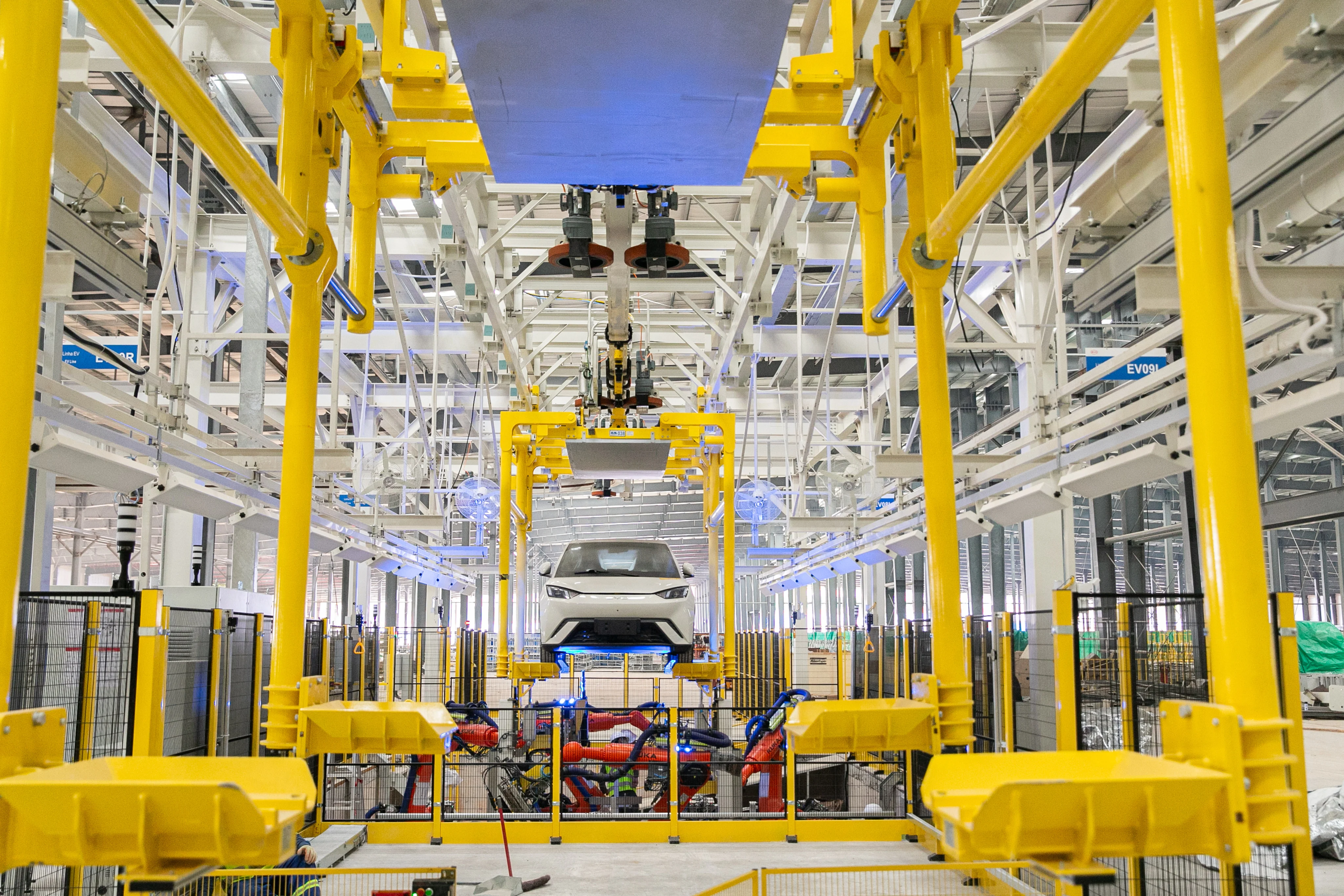
Photo: South China Morning Post
Brazil has escalated its response to a high-profile labor controversy involving Chinese electric vehicle giant BYD, placing the company on a government registry that flags employers linked to conditions comparable to modern-day slavery. The move follows a 2024 investigation that uncovered serious labor violations tied to workers hired during the construction of BYD’s manufacturing facility in the country.
The registry, maintained by Brazil’s Labor Ministry, is widely regarded as a “name and shame” list that carries significant reputational consequences. Inclusion not only signals regulatory violations but can also restrict access to certain forms of financing from state-backed and private financial institutions. While the designation does not halt BYD’s operations in Brazil, it adds a layer of scrutiny that could affect its long-term expansion strategy in one of its most important overseas markets.
At the center of the controversy is a group of 163 Chinese workers recruited through a third-party contractor, Jinjiang Group, which was responsible for staffing the construction project. Brazilian authorities concluded that the conditions these workers faced met the legal threshold for labor exploitation, citing a combination of coercive employment practices and substandard living environments.
According to details from labor contracts and inspection reports, workers were required to surrender their passports upon arrival, limiting their freedom of movement. A significant portion of their wages was reportedly withheld or redirected back to China, while employees were also required to pay deposits of nearly 900 dollars, refundable only after completing six months of work. These financial and contractual constraints effectively tied workers to their employer under restrictive conditions.
Living arrangements uncovered during a government raid further intensified concerns. Inspectors found overcrowded housing, with as many as 31 individuals sharing a single residence equipped with only one bathroom. Reports described workers sleeping without proper bedding, with personal belongings and food stored in unsanitary conditions. Authorities characterized the environment as degrading and incompatible with basic labor standards.
Although Jinjiang Group has denied wrongdoing, Brazilian officials have emphasized that BYD bears ultimate responsibility for labor conditions within its projects, regardless of whether workers were hired through subcontractors. Regulators argue that companies operating at this scale are expected to enforce strict oversight across their supply chains and ensure compliance with local labor laws.
The fallout from the incident has been both immediate and long-term. Construction of the plant was delayed by several months following the revelations, disrupting timelines for what was intended to be a key manufacturing hub supporting BYD’s international growth. Despite the setback, the facility has since resumed operations and has already produced more than 25,000 vehicles, underscoring its strategic importance.
The controversy also generated international attention, drawing criticism not only within Brazil but also abroad, including in China. The situation highlighted growing global scrutiny around labor practices in large infrastructure and manufacturing projects, particularly those involving cross-border workforces.
In an effort to address the issue, BYD reached an agreement with Brazilian labor prosecutors, committing to improvements and potential compensation measures. However, the company did not finalize a similar agreement with labor inspectors, a key step that could have prevented its inclusion on the official registry. Under current regulations, companies are only added to the list after exhausting all administrative appeals, and once listed, they typically remain there for a minimum of two years unless removed by court order.
The broader implications extend beyond BYD alone. The case serves as a warning to multinational corporations operating in emerging markets, where regulatory enforcement around labor rights is becoming increasingly stringent. It also reflects a shift toward greater accountability, with governments placing more emphasis on ethical supply chains and worker protections.
For BYD, the challenge now lies in rebuilding trust while maintaining its aggressive global expansion. As one of the world’s fastest-growing electric vehicle manufacturers, the company has been rapidly scaling production outside China to meet rising demand. However, reputational risks tied to labor practices could influence partnerships, investor sentiment, and regulatory relationships moving forward.
Ultimately, the situation underscores a critical reality in today’s global economy. Rapid industrial growth and international expansion must be matched by equally robust standards for labor rights and corporate responsibility, as stakeholders increasingly demand transparency and accountability at every level of operation.
.webp)
Popular articles



Subscribe to unlock premium content
The Rise of Hyper-Personalized Safari Tours in Kenya and Tanzania

Greenland’s Remote Luxury Retreats Are Redefining Arctic Adventure

Private Desert Resorts in Morocco Are Curating Ultra-Luxury Experiences

The Rise of Hyper-Personalized Safari Tours in Kenya and Tanzania
Greenland’s Remote Luxury Retreats Are Redefining Arctic Adventure
The Rise of Hyper-Personalized Safari Tours in Kenya and Tanzania