Big Tech Turns to Energy Talent to Power AI Ambitions

Big Tech Turns to Energy Talent to Power AI Ambitions
By
Junia Wells
Last updated:
January 14, 2026
First Published:
January 14, 2026

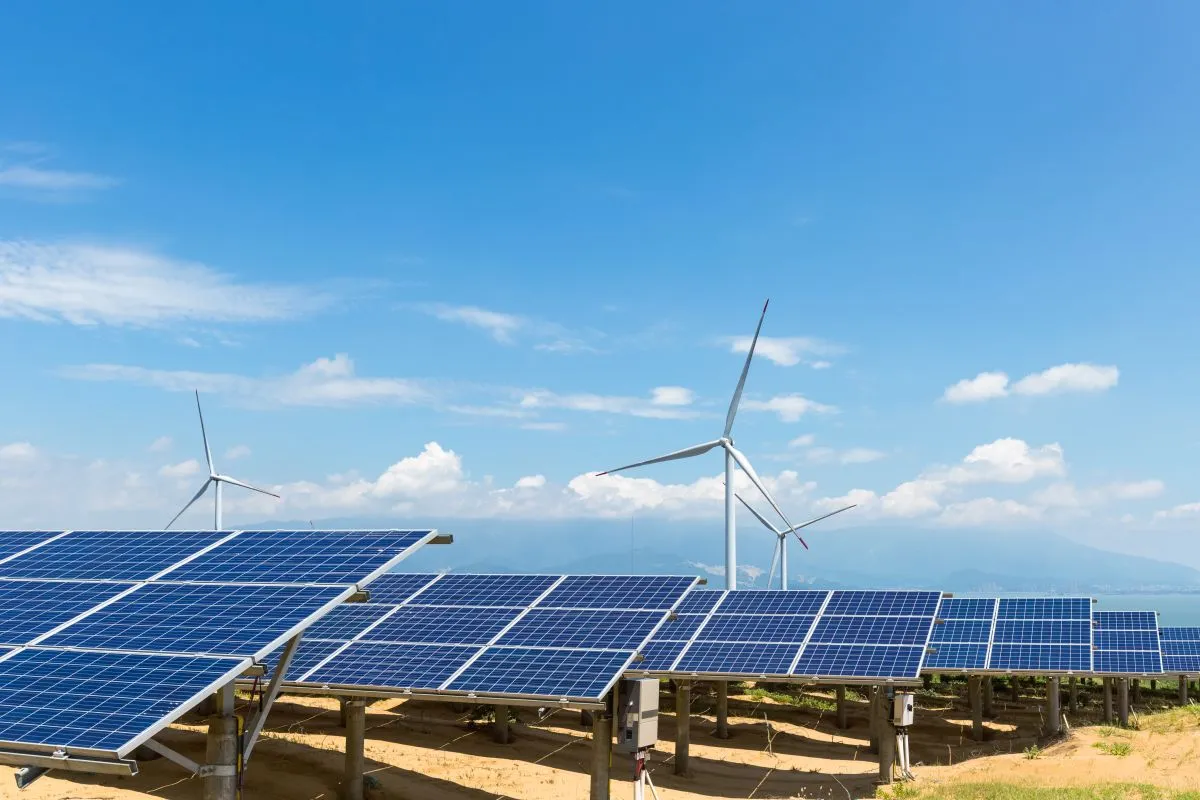
Photo: Certrec
Access to electricity has emerged as a critical bottleneck in the global race for artificial intelligence. Technology companies investing heavily in AI are now aggressively recruiting energy professionals to ensure their data centers—already consuming a growing share of global electricity—can meet soaring demand.
Energy-related hiring in Big Tech jumped 34% in 2024 compared to the previous year, according to Workforce.ai data. This surge follows a 30% increase over pre-AI levels in 2022, the year ChatGPT entered the market. Data centers alone accounted for approximately 1.5% of global electricity usage in 2024, up 12% from five years ago, according to the International Energy Agency, and demand is expected to rise as AI infrastructure expands.
Tech companies are not just hiring—they are building capabilities in-house and acquiring specialized energy firms to meet their power needs. Traditional sustainability roles, once popular during the Inflation Reduction Act era, have given way to operational positions in energy procurement, grid strategy, and market operations. Experts in these fields are now among the most sought-after talent in the industry.
Microsoft has quietly emerged as a leader in the energy talent race, adding over 570 energy-related hires since 2022, including Betsy Beck, who joined as director of energy markets in January 2025 after a stint at Google. The company also brought on former GE CFO Carolina Dybeck Happe in 2024 as COO, signaling its strategic focus on operational efficiency. Amazon leads slightly ahead with 605 energy hires, including those at AWS, while Google has steadily caught up, with 340 hires since 2022. Alphabet’s energy team now includes experts like Eric Schubert, a former BP regulatory advisor, and Tyler Norris from Duke University, focusing on energy market innovation.
Beyond individual hires, tech giants are acquiring energy-focused companies. Alphabet, for instance, is moving to acquire data center company Intersect in a $4.75 billion deal that includes debt assumption. Temporary contracts for project managers, construction experts, and land acquisition professionals are also common, helping companies accelerate infrastructure build-out without long-term commitments.
“There are tech companies that are turning into energy companies,” says Daniel Smart, CEO of The Green Recruitment Company. He notes that while tech firms are willing to own, fund, and run energy projects, they often outsource construction and operation initially. Improving data center energy efficiency may become a priority later, but the current focus remains securing reliable power.
The rush for talent is creating pressure on utilities and renewable energy companies. Skilled professionals in energy strategy, grid connection, and power purchase agreements are in high demand, leading to fierce competition for a limited pool of experienced candidates. Some experts, however, see opportunities for collaboration. Travis Miller, a senior energy analyst at Morningstar, highlights that utilities can benefit from working with tech firms, as the volume of energy required is often too large for companies to handle alone.
Big Tech is also diversifying its energy sources. Meta recently signed power purchase agreements with small modular reactor company Oklo, as well as Vistra and Terrapower, driving shares in those firms up over 17%. Amazon, Google, Microsoft, and Meta are increasingly becoming electricity traders, able to sell excess power back to the grid once they have secured supply for their own operations.
As AI continues to drive exponential growth in computing demand, technology companies are no longer just software or cloud providers—they are becoming energy operators. Hiring, acquisitions, and strategic partnerships in energy are now central to sustaining their AI ambitions, signaling a profound shift in how the industry approaches growth and infrastructure.
.webp)
Popular articles



Subscribe to unlock premium content
Iceland’s Geothermal Revolution
Bali’s Digital Detox Revolution

Step Into the Future of Art

Iceland’s Geothermal Revolution
Bali’s Digital Detox Revolution
Iceland’s Geothermal Revolution