Bessent Projects Strong Year-End Growth as Holiday Spending Surges Across the U.S.

Bessent Projects Strong Year-End Growth as Holiday Spending Surges Across the U.S.
By
David Goldfarb
Last updated:
December 8, 2025
First Published:
December 8, 2025


U.S. Treasury Secretary Scott Bessent speaks onstage during The New York Times DealBook Summit 2025 at Jazz at Lincoln Center on December 03, 2025 in New York City.
David Dee Delgado | Getty Images Entertainment | Getty Images
A Confident Outlook for Year-End Growth
Treasury Secretary Scott Bessent offered an optimistic view of the U.S. economy during an interview on CBS News’ Face the Nation, highlighting what he described as a “very strong” holiday shopping season. According to Bessent, the momentum consumers have shown in recent weeks is consistent with broader economic strength, and he expects the country to finish the year with 3 percent real GDP growth.
Bessent noted that the economy has repeatedly outperformed expectations, emphasizing that the U.S. recorded multiple quarters of 4 percent GDP growth earlier in the year. This resilience, he argued, has held firm despite political disruptions such as the “Schumer shutdown,” which caused delays in key economic reports.
GDP Performance and Early Data Signals
Official data from the Bureau of Economic Analysis show that the economy contracted 0.6 percent year-over-year in the first quarter of 2025. However, the second quarter sharply rebounded with 3.8 percent growth, underscoring the volatility and recovery that defined the year.
The next official estimate for third-quarter GDP will be released on December 23, but early indicators point to continued strength. The Federal Reserve Bank of Atlanta’s GDPNow forecast from December 5 projects 3.5 percent annualized growth for Q3, supported by improving labor-market dynamics, consumer resilience, and stable business investment.
Consumers Remain Anxious Despite Strong Spending
Although consumers drive nearly 70 percent of total GDP, sentiment surveys portray a far more pessimistic picture of how Americans feel about their financial situation. The University of Michigan’s most recent consumer sentiment index registered 53.3 in December—an improvement from November but still 28 percent lower than the same period last year.
Inflation continues to weigh on household budgets. The latest consumer price report, delayed by the government shutdown, recorded a 3 percent year-over-year increase, with grocery prices rising 3.1 percent. Housing, transportation, and energy costs have also been significant contributors to ongoing affordability concerns.
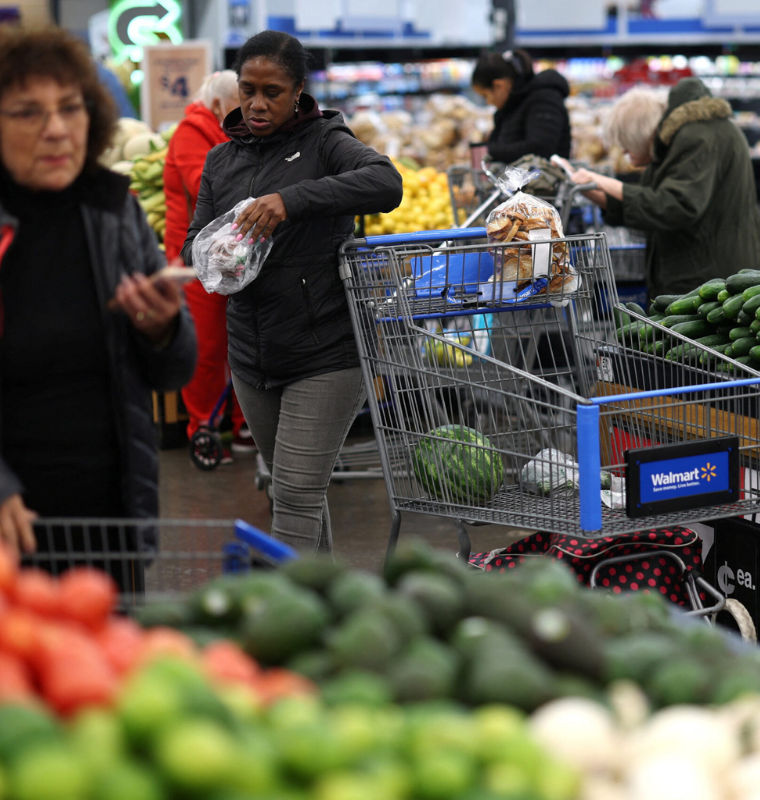
Despite these pressures, holiday spending has exceeded expectations according to early retail data, with strong online sales and rising foot traffic providing evidence of underlying economic resilience.
Political Tensions Over Affordability Narratives
President Donald Trump has rejected the idea that affordability is a widespread economic problem, calling the term a “Democrat scam” during a recent cabinet meeting. His comments come at a time when multiple voter surveys show dissatisfaction with his administration’s handling of the economy.
An NBC News poll found that nearly two-thirds of registered voters believe the Trump administration has fallen short on managing the economy and controlling the cost of living. Rising prices for essentials such as food, housing, and transportation continue to be central concerns for households across the country.
Bessent Points to Media Influence and Policy Inheritance
When asked to respond to Trump’s comments, Bessent said inflation concerns are in part a lingering consequence of the Biden administration’s policies. He suggested that media narratives have played a significant role in shaping Americans’ perceptions of economic hardship.
“The American people don’t know how good they have it,” Bessent said, arguing that regulatory constraints and energy-related policies implemented during the previous administration created the scarcity that now fuels affordability issues.
Bessent emphasized that the current administration is turning the corner and that improving supply chains, wage growth, and a cooling inflation trend could help steer the economy toward what he described as “prosperity” next year.
A Strong Finish with Cautious Undercurrents
While economic data points to a robust end to the year and a resilient consumer base, sentiment remains conflicted. The divergence between how Americans feel and how they are spending continues to shape the political and economic narrative heading into 2026.
With GDP poised to close the year at 3 percent and holiday sales surging, policymakers face the challenge of translating macroeconomic strength into confidence for households still navigating elevated prices and uncertain economic signals.

Popular articles


Subscribe to unlock premium content
London’s Gourmet Playgrounds

From Bean to Buzz in Thailand
The Secret Life of Pop-Up Luxury Restaurants in Paris

London’s Gourmet Playgrounds
From Bean to Buzz in Thailand
London’s Gourmet Playgrounds