Berkshire Hathaway Rebalances Portfolio With Apple Trim and New York Times Bet

Berkshire Hathaway Rebalances Portfolio With Apple Trim and New York Times Bet
By
Leah Rosenfeld
Last updated:
February 18, 2026
First Published:
April 25, 2026

Getty Images
Portfolio Moves Mark the End of an Era
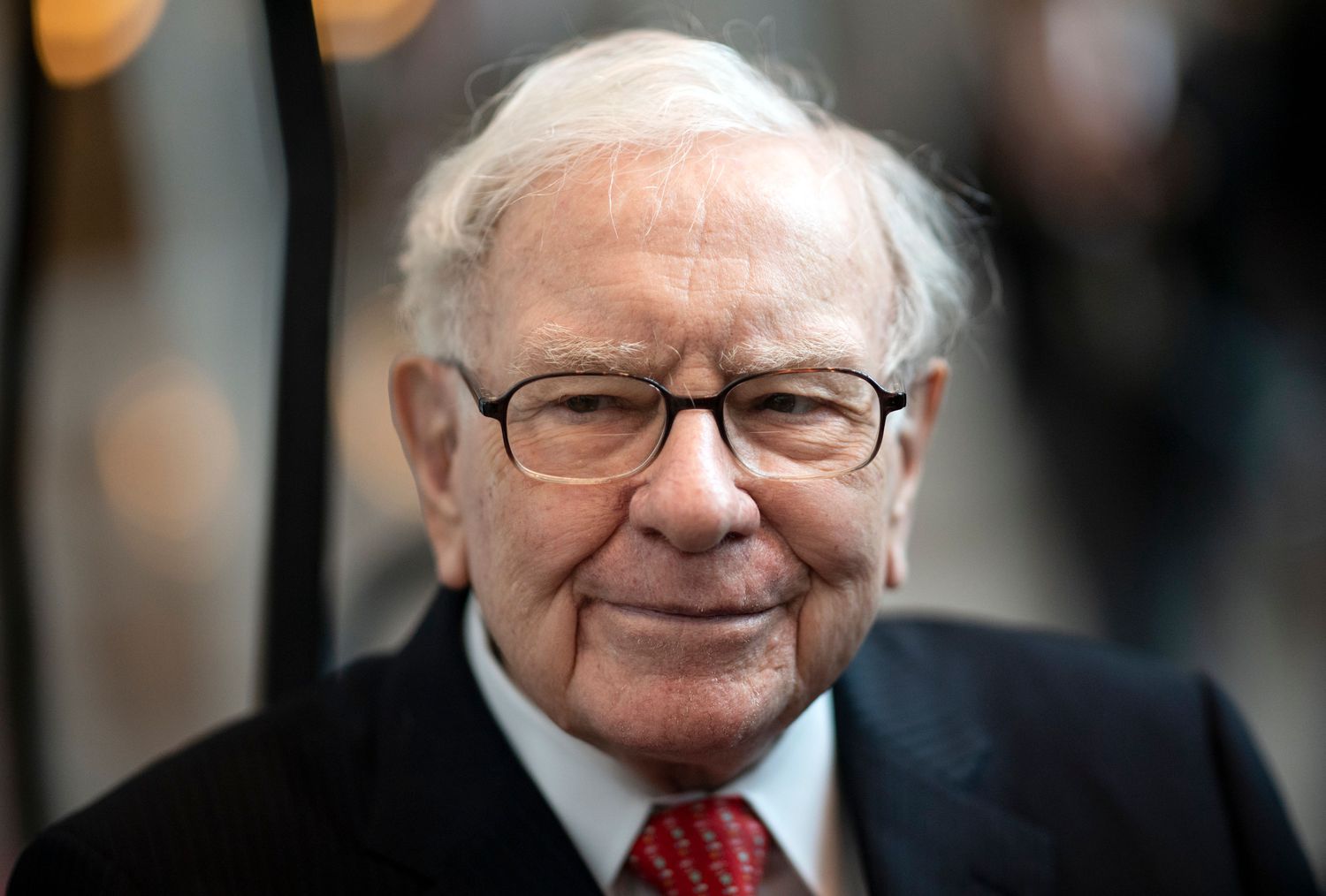
Berkshire Hathaway made notable adjustments to its equity portfolio in the fourth quarter, reducing its exposure to Apple while initiating a new position in The New York Times. The changes, disclosed in a regulatory filing, represent the final set of portfolio moves during Warren Buffett’s tenure as chief executive, closing a historic chapter for the Omaha-based conglomerate.
Apple Stake Reduced but Still Dominant
Berkshire trimmed its Apple holding by about 4.3%, bringing the position’s value to roughly $61.96 billion. Despite the reduction, the iPhone maker remains by far the company’s largest investment, accounting for a substantial share of its publicly traded equity portfolio.
The latest adjustment continues a broader trend of gradual profit-taking. Over the past two years, Berkshire has steadily scaled back its Apple exposure, including a dramatic reduction in 2024 when the stake was cut by roughly two-thirds, followed by smaller trims in subsequent quarters.
While Apple delivered another positive year in 2025 with a gain of around 9%, the performance lagged the broader S&P 500, which rose more than 16%. The stock has also faced renewed volatility this year, slipping about 3% and recently posting its sharpest single-day drop since April 2025.
Buffett has long framed Apple as a consumer-focused franchise with strong brand loyalty rather than purely a technology company, and the gradual rebalancing may reflect efforts to streamline the portfolio ahead of leadership transition.
New Position in The New York Times
Alongside the Apple trim, Berkshire disclosed a new stake worth roughly $351.7 million in The New York Times. Though relatively small compared with its largest holdings, the investment signals renewed interest in high-quality media businesses with recurring digital subscription revenue.
The position ranks near the lower end of Berkshire’s equity portfolio by size, sitting around 29th among more than 40 holdings. Even so, the addition underscores the firm’s long-standing preference for companies with strong brands, pricing power, and durable cash flows.
Broader Portfolio Context
The fourth-quarter filing follows earlier shifts in Berkshire’s portfolio, including the initiation of a stake in Alphabet and continued diversification across sectors. These moves reflect a gradual evolution in the conglomerate’s investment mix as mega-cap technology stocks dominate market benchmarks.
It remains unclear whether the latest trades were executed directly by Buffett or by portfolio managers Todd Combs and Ted Weschler, who have taken on increasing responsibility for investment decisions in recent years.
Leadership Transition at Berkshire
The quarter also marked the final reporting period before Greg Abel officially assumed the role of chief executive at the start of the new year. Abel, previously vice chairman overseeing non-insurance operations, is widely viewed as Buffett’s long-planned successor.
Although Buffett has stepped down from the CEO role, he continues to serve as chairman of the board, maintaining a guiding presence as the company navigates its next phase.
Leadership changes have extended beyond the top role. Former investment manager and Geico chief Todd Combs departed in December and later joined JPMorgan Chase to lead a new security and resiliency initiative, reflecting ongoing shifts within Berkshire’s leadership bench.
What the Moves Signal
The latest portfolio adjustments illustrate Berkshire’s methodical approach to capital allocation during a leadership transition. Trimming Apple locks in gains from one of the most successful investments in the firm’s history, while the New York Times stake adds exposure to a business model built on digital subscriptions and steady cash generation.
For investors, the filing reinforces that while leadership may be evolving, Berkshire’s core philosophy — focusing on high-quality companies with durable competitive advantages — remains firmly intact. As Greg Abel takes the reins, markets will be watching closely to see how the next era shapes the conglomerate’s investment strategy and capital deployment priorities.
.webp)
Popular articles



Subscribe to unlock premium content
Remote Himalayan Villages Transforming Ancient Traditions into Lucrative Wellness Ventures

Gilded Holidays in Fashion

Frozen Frontiers of Luxury

Remote Himalayan Villages Transforming Ancient Traditions into Lucrative Wellness Ventures
Gilded Holidays in Fashion
Remote Himalayan Villages Transforming Ancient Traditions into Lucrative Wellness Ventures