Bank of Japan Confronts Escalating Pressure as Government Bond Yields Surge to Multi-Decade Highs

Bank of Japan Confronts Escalating Pressure as Government Bond Yields Surge to Multi-Decade Highs
By
David Goldfarb
Last updated:
December 5, 2025
First Published:
December 5, 2025

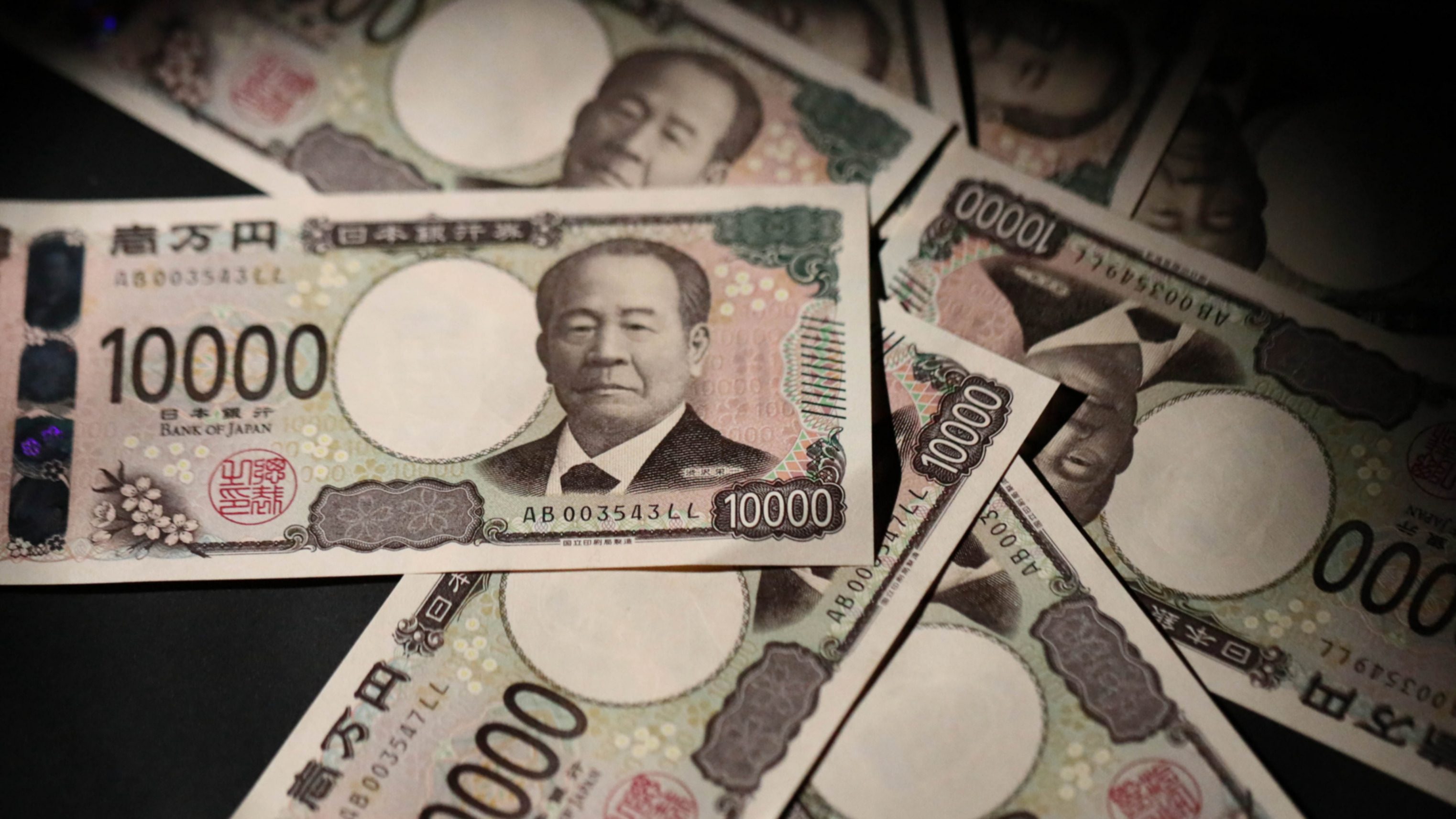
Photo: Nikkei Asia
Japan’s Central Bank Is Cornered as Yields Break New Records
Japan’s financial markets are entering uncharted territory. Government bond yields have surged relentlessly, intensifying pressure on the Bank of Japan as it attempts to normalize monetary policy without destabilizing the broader economy.
The benchmark 10-year Japanese government bond yield jumped to 1.917 percent, its highest level since 2007, extending a month-long climb. Long-term yields saw even more dramatic moves: the 20-year JGB hit 2.936 percent, a peak last seen in 1999, while the 30-year soared to a record 3.436 percent. These levels underscore how dramatically Japan’s fixed-income landscape has shifted since the end of its ultra-loose monetary regime.
The BOJ dismantled its long-standing yield curve control framework in March 2024, finally lifting the cap that had held 10-year yields near 1 percent for years. It also abandoned the world’s last negative interest rate policy, signaling its ambition to gradually return to normal policy settings. But soaring yields now risk derailing that process.
A Policy Crossroads: Higher Rates or Rising Inflation
The central bank is caught between two difficult outcomes.
If it continues raising interest rates, yields could climb even higher, tightening financial conditions and further slowing domestic activity. Japan’s economy is already struggling under the weight of weak household spending, muted business confidence, and persistent cost-of-living pressures.
But lowering rates, or even pausing, carries its own consequences. Inflation has exceeded the BOJ’s 2 percent target for 43 consecutive months, fueled by strong service-sector prices and expensive imports. Any move that weakens the yen could intensify imported inflation, worsening the pressures facing consumers and businesses.
Analysts warn that if the BOJ pivots back toward quantitative easing or attempts to directly cap yields again, the yen could weaken further, increasing Japan’s already high import costs.
Japan’s Debt Load and New Stimulus Add Even More Strain
Japan’s fiscal burden is already the highest in the developed world, with a debt-to-GDP ratio near 230 percent, according to the IMF. Rising yields mean rising borrowing costs — a significant problem for a country that must issue large amounts of new debt each year.
The government is preparing its largest stimulus package since the pandemic, designed to cushion households from rising prices and revive growth. This includes 11.7 trillion yen in fresh bond issuance to support Prime Minister Sanae Takaichi’s supplementary budget — a figure 1.7 times larger than the issuance under former Prime Minister Shigeru Ishiba in 2024.
Economists say this highlights a growing contradiction: Japan must stimulate growth to prevent stagnation, but doing so increases borrowing at a time when financing costs are the highest in decades.
Could Rising Yields Spark Another Global Shock?
The global financial community is watching closely. In August 2024, a hawkish BOJ move triggered a massive unwinding of yen-funded carry trades. As leveraged positions collapsed, markets around the world saw heavy losses, and Japan’s Nikkei tumbled 12.4 percent — its worst single-day decline since 1987.
While yen-funded carry trades remain popular, the landscape has changed. Rising Japanese yields have narrowed the rate differential with the United States, making these trades less attractive. The concern now is whether another sharp adjustment could trigger fresh volatility.
However, experts say a repeat of the 2024 chaos is unlikely. Long-term structural flows — such as pension funds, insurance companies, and participants in the NISA investment program — continue to hold large amounts of foreign assets. These stable holders make a sudden mass repatriation far less probable.
Japanese Investors Keep Buying Foreign Bonds Despite Higher Local Yields
Data suggests Japanese investors are not retreating from global markets. From January to October 2025, they purchased 11.7 trillion yen in overseas bonds, nearly three times the 4.2 trillion yen accumulated in all of 2024. Trust banks and large asset managers, boosted by strong retail inflows, continue to lead this demand.
Strategists expect the trend to continue. With the U.S. Federal Reserve projected to cut rates further, hedging costs for Japanese investors are declining, making foreign bonds more attractive than domestic ones despite rising yields at home.
A Delicate Balancing Act With Global Consequences
The Bank of Japan now confronts one of its most complex challenges in decades: stabilize yields without crushing growth, support the yen without igniting inflation, and protect global financial stability without reversing years of policy normalization.
Every move carries domestic and international consequences. As yields continue testing new highs, the central bank’s next steps will shape not only Japan’s economic trajectory but also global investment flows, currency markets, and the world’s appetite for risk in the months ahead.

Popular articles


Subscribe to unlock premium content
London’s Gourmet Playgrounds

From Bean to Buzz in Thailand

The Secret Life of Pop-Up Luxury Restaurants in Paris

London’s Gourmet Playgrounds
From Bean to Buzz in Thailand
London’s Gourmet Playgrounds