Baidu Moves to Unlock AI Chip Value With Planned Hong Kong IPO of Kunlunxin

Baidu Moves to Unlock AI Chip Value With Planned Hong Kong IPO of Kunlunxin
By
Calder Monroe
Last updated:
January 2, 2026
First Published:
January 2, 2026

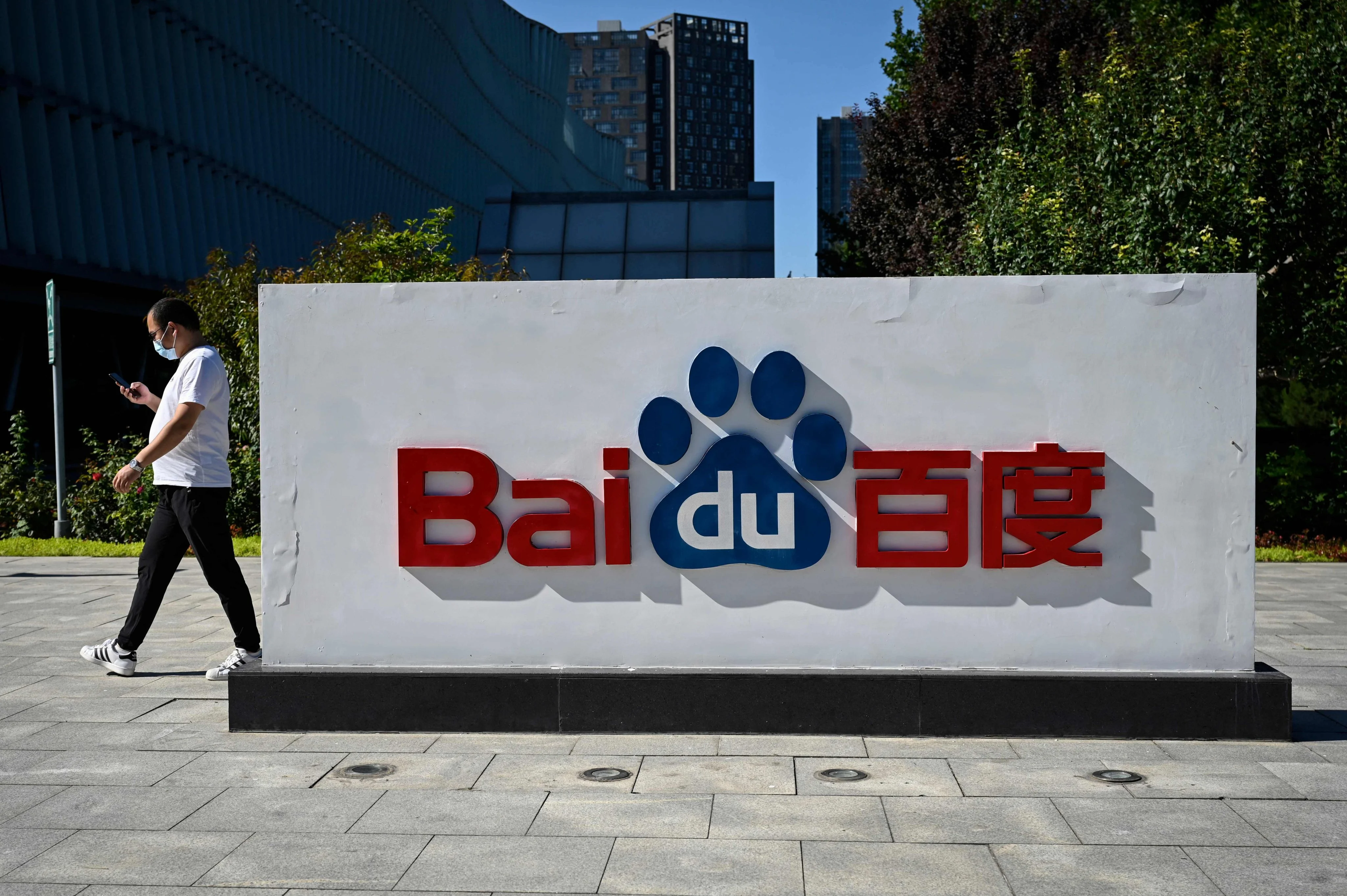
Photo: South China Morning Post
Chinese technology heavyweight Baidu has taken a major step toward monetizing its artificial intelligence hardware ambitions by initiating plans to list its semiconductor subsidiary, Kunlunxin, in Hong Kong. The move comes as China’s AI and semiconductor sectors attract renewed capital amid Beijing’s long-term strategy to reduce dependence on foreign chip suppliers.
Baidu confirmed that Kunlunxin has confidentially filed a listing application with the Hong Kong Stock Exchange. While the structure, valuation, and size of the potential offering remain undecided, the filing signals Baidu’s intent to position Kunlunxin as a standalone AI chip player rather than a purely internal supplier.
Strategic Rationale Behind the Spin-Off
Baidu currently owns approximately 59 percent of Kunlunxin and emphasized that the proposed listing is still subject to regulatory approvals, including clearance from China’s securities regulator. The company also cautioned that there is no certainty the spin-off will be completed.
According to Baidu, separating Kunlunxin would help highlight the chip unit’s independent growth potential, improve access to capital, and attract investors with a specific focus on semiconductors and artificial intelligence infrastructure. Kunlunxin would continue operating as a Baidu subsidiary even after a potential listing.
This strategy mirrors a broader trend among Chinese technology firms seeking to unlock value from specialized business units as capital markets place increasing premiums on AI-related assets.
U.S. Chip Curbs and China’s Domestic Push
The timing of the filing is closely linked to escalating technology tensions between the United States and China. Washington has tightened restrictions on Chinese companies’ access to advanced AI chips, particularly those produced by U.S.-based Nvidia, which has historically dominated the high-performance AI accelerator market.
In response, Beijing has accelerated efforts to build a domestic AI computing ecosystem. This includes policy support encouraging Chinese companies to buy locally produced chips and the deployment of billions of yuan through state-backed investment funds to strengthen semiconductor design and manufacturing capabilities.
Against this backdrop, several Chinese AI chipmakers, including Moore Threads and Biren Technology, have also announced listing plans as they seek funding to scale operations and compete domestically.
Kunlunxin’s Role in Baidu’s AI Stack
Founded in 2012, Kunlunxin plays a central role in Baidu’s ambition to become a full-stack AI company. Baidu’s ecosystem spans data centers, servers, proprietary AI chips, large language models such as ERNIE, and downstream AI applications.
While Baidu continues to rely significantly on Nvidia hardware for training advanced models, Kunlunxin’s chips are increasingly used in Baidu’s data centers, particularly for inference workloads. This hybrid approach has allowed Baidu to reduce costs and improve supply stability without fully sacrificing performance.
Over the past two years, Kunlunxin has transitioned from an internal chip unit to a more commercially oriented business, expanding sales to third-party customers across sectors such as telecoms, government cloud services, and enterprise computing.
Market Position and Competitive Advantages
Industry analysts view Kunlunxin as one of the more commercially viable AI chip solutions currently available in China. A key differentiator lies in its software compatibility. Rather than forcing customers into a closed ecosystem, Kunlunxin’s chips support widely used AI frameworks, making it easier for clients to migrate workloads from Nvidia-based systems.
This flexibility has helped accelerate adoption, particularly among organizations that prioritize stable supply, regulatory alignment, and cost efficiency over absolute peak performance.
Financial Performance and Growth Outlook
Kunlunxin’s financial trajectory has strengthened significantly. Revenue is projected to have exceeded 3.5 billion yuan, or roughly $500 million, last year, with the business reaching break-even. External customers are expected to account for more than half of total revenue by 2025, underscoring the unit’s evolution into a standalone commercial supplier.
The company has also secured major contracts, including orders worth more than 1 billion yuan from China Mobile, one of China’s largest telecommunications operators. China Mobile participated in Kunlunxin’s most recent funding round, which raised over 2 billion yuan and valued the business at approximately 21 billion yuan.
Looking ahead, analysts forecast rapid growth. Estimates suggest Kunlunxin’s chip sales could rise sixfold to around 8 billion yuan by 2026 as demand for domestic AI computing solutions continues to climb.
Limits of Substitution and the Broader Ecosystem
Despite its progress, Kunlunxin is not positioned to fully replace Nvidia’s most advanced chips, particularly for cutting-edge training workloads. Constraints in advanced semiconductor manufacturing remain a structural challenge for China’s chip industry.
As a result, Beijing is pursuing a diversified strategy rather than relying on a single national champion. Kunlunxin operates alongside other domestic players such as Huawei’s Ascend, Cambricon, and Alibaba-backed chip initiatives, collectively forming China’s emerging AI computing ecosystem.
For Baidu, the planned Hong Kong listing represents both a capital markets milestone and a strategic statement: AI hardware is no longer just a supporting function, but a core growth engine worthy of standing on its own.
.webp)
Popular articles



Subscribe to unlock premium content
Iceland’s Geothermal Revolution

Bali’s Digital Detox Revolution

Step Into the Future of Art

Iceland’s Geothermal Revolution
Bali’s Digital Detox Revolution
Iceland’s Geothermal Revolution