Australia’s Inflation Eases Slightly but Climbs to Two-Year Peak, Complicating Rate Outlook

Australia’s Inflation Eases Slightly but Climbs to Two-Year Peak, Complicating Rate Outlook
By
Alina Sinclair
Last updated:
April 29, 2026
First Published:
April 29, 2026


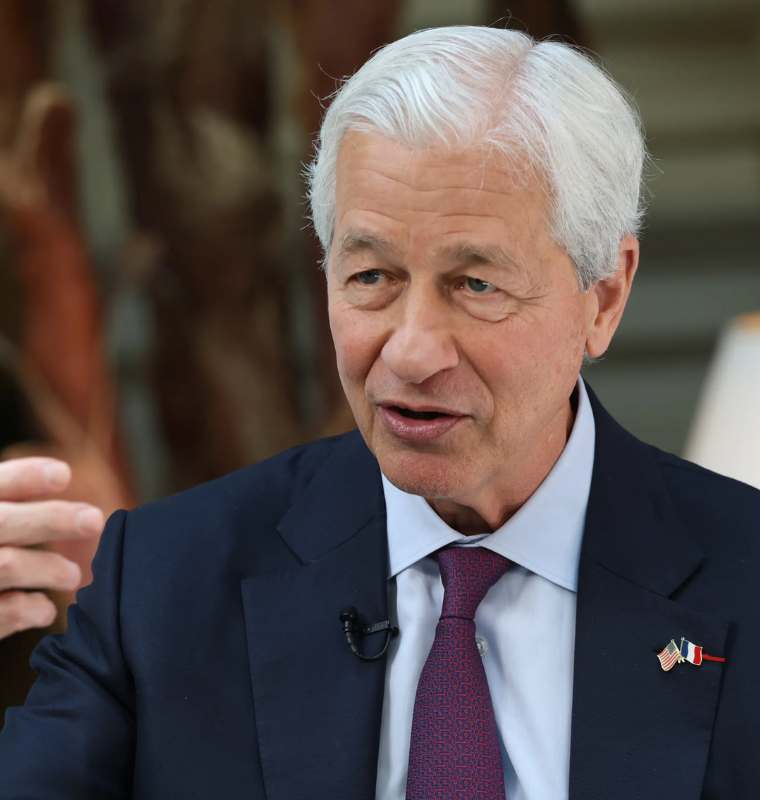
Photo: The Straits Times
Australia’s inflation picture is sending mixed signals, offering a slight surprise to the downside while still climbing to its highest level in more than two years. The latest data highlights the ongoing challenge facing policymakers as they attempt to balance economic growth with persistent price pressures.
Consumer prices rose 4.09% in the first quarter compared to a year earlier, coming in just below market expectations of 4.2%. While the lower-than-forecast figure may appear encouraging at first glance, the broader trend suggests inflation remains firmly elevated and far from being under control.
Price Pressures Continue to Build
On a quarterly basis, inflation increased by 1.4%, signaling steady upward momentum in prices. Even more concerning for policymakers, the monthly inflation reading for March surged to 4.6%, marking the highest level since Australia began publishing monthly consumer price data in 2025.
The rise was driven by a combination of core cost pressures across essential sectors. Housing costs continued to climb due to strong demand and limited supply, while transport expenses increased alongside rising fuel prices. Food inflation also remained stubborn, reflecting both domestic supply constraints and global commodity trends.
Together, these factors are reinforcing a broad-based inflation environment rather than isolated price spikes.
Central Bank Faces Growing Policy Dilemma
The Reserve Bank of Australia now finds itself navigating an increasingly complex policy landscape. Despite the slight miss on headline expectations, inflation remains well above the bank’s target range of 2% to 3%, forcing officials to consider further tightening measures.
Interest rates currently stand at 4.1%, following a hike in March that pushed borrowing costs to their highest level in nearly a year. However, policymakers have made it clear that the fight against inflation is not over.
Recent meeting minutes revealed that central bank officials still view inflation as “too high” and are actively debating whether additional rate increases may be necessary in the near term. While there is some disagreement on timing, the overall direction of policy remains tilted toward further tightening.
Global Risks Add to Inflation Concerns
External factors are playing a growing role in shaping Australia’s inflation outlook. Rising geopolitical tensions, particularly in the Middle East, have pushed oil prices higher, adding another layer of uncertainty.
Energy costs feed directly into transport, production, and supply chain expenses, which can quickly translate into higher consumer prices. The central bank has acknowledged that under various scenarios, global developments could prolong inflationary pressures both domestically and internationally.
This external risk makes it more difficult for policymakers to rely solely on domestic indicators when setting interest rates.
Strong Economic Growth Complicates the Picture
Adding to the challenge is the resilience of Australia’s economy. The country recorded annual growth of 2.6% in the fourth quarter, its fastest pace in two years and above analyst expectations.
While strong growth is generally positive, it can also sustain inflation by supporting consumer demand and wage increases. This creates a delicate balancing act for the central bank, as aggressive rate hikes could slow the economy too much, while insufficient action risks allowing inflation to remain elevated.
What It Means for Households and Markets
For households, the persistence of inflation means continued pressure on living costs, particularly in areas like housing, groceries, and transportation. At the same time, the possibility of further rate hikes could increase mortgage repayments and borrowing costs.
For financial markets, the data reinforces expectations that interest rates may stay higher for longer. Investors are closely watching upcoming central bank decisions, as well as global developments that could influence inflation trends.
Outlook Remains Uncertain
Australia’s latest inflation data underscores a key reality: while price growth may not be accelerating as quickly as feared, it is still far from returning to target levels. The combination of strong domestic demand, rising energy costs, and global uncertainty suggests that the path back to stable inflation will be gradual and potentially uneven.
As the Reserve Bank prepares for its next policy meeting, all eyes will be on whether it opts for another rate increase or pauses to assess incoming data. Either way, the current environment points to a prolonged period of cautious monetary policy and continued economic vigilance.
.webp)
Popular articles



Subscribe to unlock premium content
Remote Himalayan Villages Transforming Ancient Traditions into Lucrative Wellness Ventures

Gilded Holidays in Fashion

Frozen Frontiers of Luxury

Remote Himalayan Villages Transforming Ancient Traditions into Lucrative Wellness Ventures
Gilded Holidays in Fashion
Remote Himalayan Villages Transforming Ancient Traditions into Lucrative Wellness Ventures