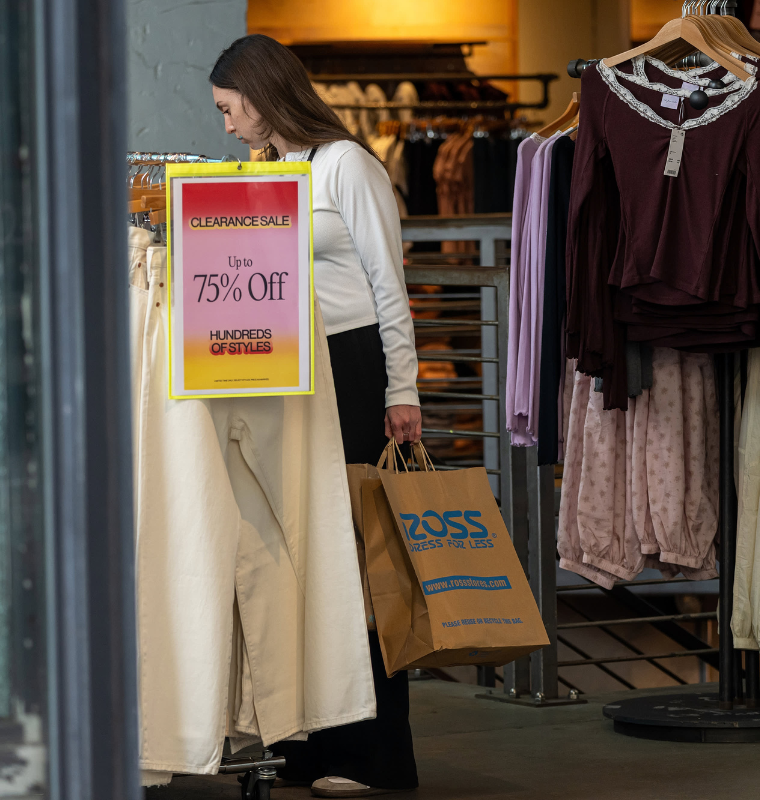
Australia Inflation Climbs to 3.6%, Strengthening RBA’s Case to Keep Rates Higher for Longer

Australia Inflation Climbs to 3.6%, Strengthening RBA’s Case to Keep Rates Higher for Longer
By
Leah Rosenfeld
Last updated:
January 28, 2026
First Published:
January 28, 2026


Photo: The Guardian
Inflation Moves Further Above the RBA’s Target Band
Australia’s inflation rate accelerated to 3.6% in the fourth quarter of 2025, marking its highest level in six quarters and reinforcing the Reserve Bank of Australia’s message that meaningful interest rate cuts are not imminent.
The latest figure matched market expectations and rose from 3.2% in the third quarter, highlighting renewed price pressures across key sectors of the economy. On a quarterly basis, consumer prices increased by 0.6%, in line with forecasts but sharply lower than the 1.3% jump recorded in the previous quarter, suggesting inflation is cooling only gradually.
For December alone, annual inflation climbed to 3.8%, surpassing economists’ expectations of around 3.55% and underscoring the persistence of cost pressures heading into 2026.
With inflation still sitting well above the RBA’s official 2% to 3% target range, policymakers are signaling that monetary conditions will likely remain restrictive for longer than many households and investors had hoped.
Housing Costs Lead the Latest Price Surge
Data from the Australian Bureau of Statistics showed that housing was the single largest contributor to December’s inflation increase, with housing-related prices rising 5.5% year on year.
Higher rents, increased construction costs, and ongoing supply constraints in major cities such as Sydney and Melbourne continue to weigh on household budgets. Strong population growth and tight rental markets have compounded the pressure, pushing shelter costs to levels not seen in several years.
Beyond housing, prices for food and non-alcoholic beverages also moved higher, reflecting elevated transport and input costs. Recreation and culture added to the inflation print as Australians increased spending on travel, entertainment, and leisure activities toward the end of the year.
Economists note that these categories tend to be “sticky,” meaning they are slower to retreat even when headline inflation begins to moderate.
Central Bank Signals a Cautious Path Ahead
The hotter-than-target inflation reading is expected to keep the Reserve Bank of Australia firmly in a cautious stance.
Market strategists say a rate cut at the RBA’s February policy meeting is highly unlikely, though another increase is also not the base-case scenario. Instead, policymakers appear set to hold rates steady while closely monitoring incoming data.
Currency and macro analysts have warned that if inflation remains above 3% over the coming quarters, the central bank may be forced to maintain restrictive policy for longer than currently priced into markets.
The RBA’s mandate is to keep inflation sustainably within a 2% to 3% range, and the latest figures show that goal remains out of reach.
RBA Officials: Inflation Still “Too High” for Easing
Recent remarks from senior RBA officials have reinforced this message.
Deputy Governor Andrew Hauser said earlier this month that inflation at current levels is simply “too high,” stressing that the central bank is obligated to bring price growth back within its target band.
He added that the likelihood of near-term rate cuts is “probably very low,” signaling that borrowers should not expect immediate relief on mortgage repayments.
His comments echoed those of RBA Governor Michele Bullock, who stated after the December policy meeting that interest rate reductions were not on the horizon for the foreseeable future. Bullock emphasized that the bank needs greater confidence inflation is moving sustainably lower before considering any easing.
She also pointed to improving private-sector activity and solid economic momentum as reasons the RBA can afford to remain patient.
Economic Growth Complicates the Inflation Outlook
Australia’s broader economic performance is adding another layer of complexity to the policy outlook.
Gross domestic product expanded by 2.1% in the third quarter, up from a revised 2% in the second quarter and marking the country’s fastest pace of growth in nearly two years. The rebound has been supported by resilient consumer spending, strong services activity, and a pickup in private investment.
Governor Bullock noted in December that growth is increasingly being driven by the private sector rather than government spending, suggesting the economy remains on relatively firm footing despite high borrowing costs.
This resilience gives the RBA less urgency to stimulate demand, even as households grapple with elevated living expenses.
What It Means for Australians and Markets
For consumers, persistently high inflation means continued pressure on everyday costs, particularly housing and groceries, while mortgage holders face the prospect of interest rates staying elevated through much of 2026.
For investors, the data reinforces expectations that Australia will lag some other major economies in delivering rate cuts. Bond markets have already pushed back forecasts for easing, and the Australian dollar has found support from the central bank’s hawkish tone.
Looking ahead, economists will be watching wage growth, rental inflation, and consumer demand closely to gauge whether price pressures finally begin to ease.
For now, Australia’s latest inflation figures confirm that the battle against rising prices is far from over — and that the Reserve Bank is in no rush to declare victory.
.webp)
Popular articles



Subscribe to unlock premium content
Colombia’s Coffee Regions Are Becoming Luxury Travel Destinations Hidden in the Highlands

Chile’s Desert Skies Are Becoming the World’s Most Exclusive Destination
The Rise of Heritage Manor Stays in the United Kingdom Countryside
Colombia’s Coffee Regions Are Becoming Luxury Travel Destinations Hidden in the Highlands
Chile’s Desert Skies Are Becoming the World’s Most Exclusive Destination
Colombia’s Coffee Regions Are Becoming Luxury Travel Destinations Hidden in the Highlands