
Asian Markets Slide Sharply as Escalating Middle East Conflict Sparks Global Sell-Off

Asian Markets Slide Sharply as Escalating Middle East Conflict Sparks Global Sell-Off
By
Augusta Parker
Last updated:
March 30, 2026
First Published:
April 25, 2026

Getty Images
Regional markets tumble amid rising geopolitical risk
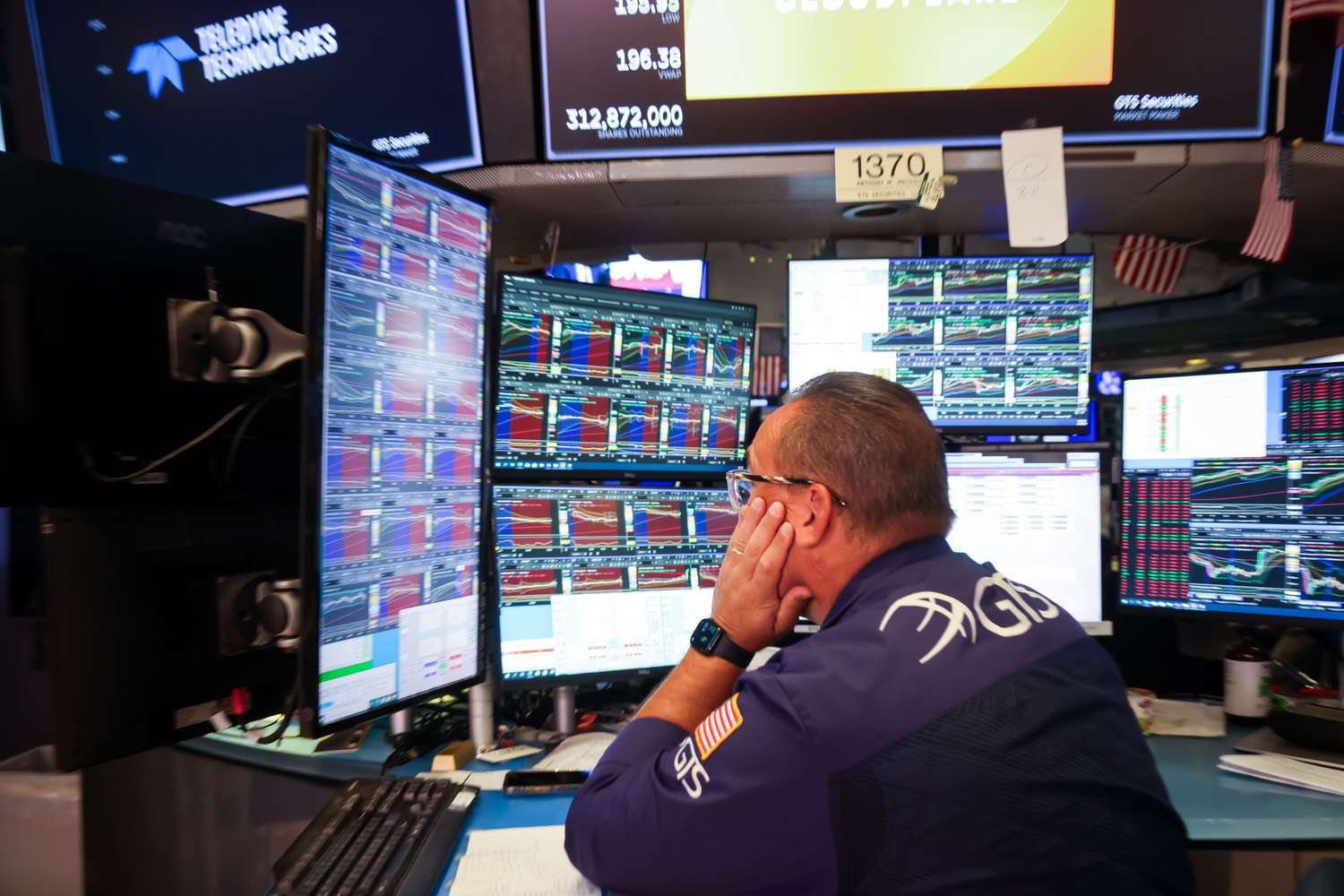
Asia-Pacific markets opened the week under heavy pressure as investors reacted to intensifying conflict in the Middle East. With the war entering its fifth week and expanding across multiple fronts, risk sentiment deteriorated तेजी, triggering a broad-based sell-off across equities.
South Korea’s Kospi led regional declines, plunging more than 5 percent, marking its steepest single-day drop in months. The small-cap Kosdaq index also fell sharply, losing 3.97 percent as tech and growth stocks came under pressure.
The sell-off reflects growing concerns that prolonged geopolitical instability could disrupt global trade flows, increase energy costs, and slow economic growth across major economies.
Japan markets fall as rate hike concerns build
Japanese equities also saw significant declines, with the Nikkei 225 dropping 3.97 percent and the broader Topix index falling 3.9 percent. Investors are increasingly worried about the Bank of Japan’s policy trajectory as inflationary pressures intensify.
At its March meeting, Bank of Japan policymakers signaled a growing willingness to tighten monetary policy further. Some members warned that the central bank risks falling behind the curve if it does not act quickly, especially as rising oil prices feed into broader inflation.
The combination of external cost pressures and domestic inflation risks has added another layer of uncertainty for Japanese markets, which have been sensitive to shifts in monetary policy.
Greater China and Australia also under pressure
Losses were widespread across the region. Hong Kong’s Hang Seng index declined 1.52 percent, while mainland China’s CSI 300 slipped 0.77 percent, reflecting cautious sentiment among investors amid global uncertainty.
Australia’s S&P/ASX 200 dropped 1.46 percent, though policymakers moved quickly to cushion the economic impact of rising fuel costs. Prime Minister Anthony Albanese announced a temporary reduction in fuel excise taxes for three months, aiming to offset the surge in oil prices.
The measure is expected to cut fuel costs by approximately 26.3 Australian cents per litre, offering some relief to households and businesses facing higher transportation and logistics expenses.
Conflict escalation drives oil higher
The latest wave of market volatility was triggered in part by a significant escalation in the Middle East conflict. Yemen’s Houthi movement confirmed it had launched ballistic missile strikes targeting Israeli military sites, marking its first direct involvement in the ongoing war.
The group stated that the attack was carried out in coordination with Iran and allied forces, signaling a broader regional alignment that could further destabilize the situation.
This development has heightened fears of disruptions to critical oil supply routes, pushing crude prices higher. U.S. West Texas Intermediate futures rose 2.58 percent to $102.19 per barrel during early Asian trading, extending recent gains.
Global markets reflect growing stress
The negative sentiment was not limited to Asia. U.S. stock futures also pointed lower, with Dow Jones Industrial Average futures dropping 253 points, or 0.6 percent. Futures tied to the S&P 500 and Nasdaq 100 both declined by around 0.5 percent.
The weakness follows a difficult week on Wall Street. The Dow fell 793.47 points on Friday, closing at 45,166.64 and entering correction territory. The S&P 500 dropped 1.67 percent to a seven-month low, while the Nasdaq Composite slid 2.15 percent.
On a weekly basis, the broader market index recorded its fifth consecutive decline, shedding 2.1 percent. The Nasdaq lost 3.2 percent over the same period, while the Dow retreated 0.9 percent, highlighting sustained pressure across sectors.
Investors brace for continued volatility
Markets are increasingly pricing in a prolonged period of uncertainty as geopolitical risks remain elevated. The expansion of the conflict, combined with rising oil prices and tightening financial conditions, is creating a challenging environment for investors.
Higher energy costs are expected to feed into inflation globally, potentially forcing central banks to maintain or even accelerate policy tightening. This dynamic could weigh further on equity valuations and economic growth.
With no clear resolution in sight, investors are likely to remain cautious in the near term, closely monitoring both geopolitical developments and policy responses from major economies.
.webp)
Popular articles



Subscribe to unlock premium content
AI-Curated Luxury Shopping Experiences Transform the Market

Limited-Run Anime Originals Redefining Global Entertainment

Micro-Vertical Farming Becomes Corporate Gold
.png)
AI-Curated Luxury Shopping Experiences Transform the Market
Limited-Run Anime Originals Redefining Global Entertainment
AI-Curated Luxury Shopping Experiences Transform the Market


