Asian Markets Rally to New Peaks as Japan and South Korea Lead Gains on Global Tech Optimism

Asian Markets Rally to New Peaks as Japan and South Korea Lead Gains on Global Tech Optimism
By
Augusta Parker
Last updated:
February 25, 2026
First Published:
April 25, 2026


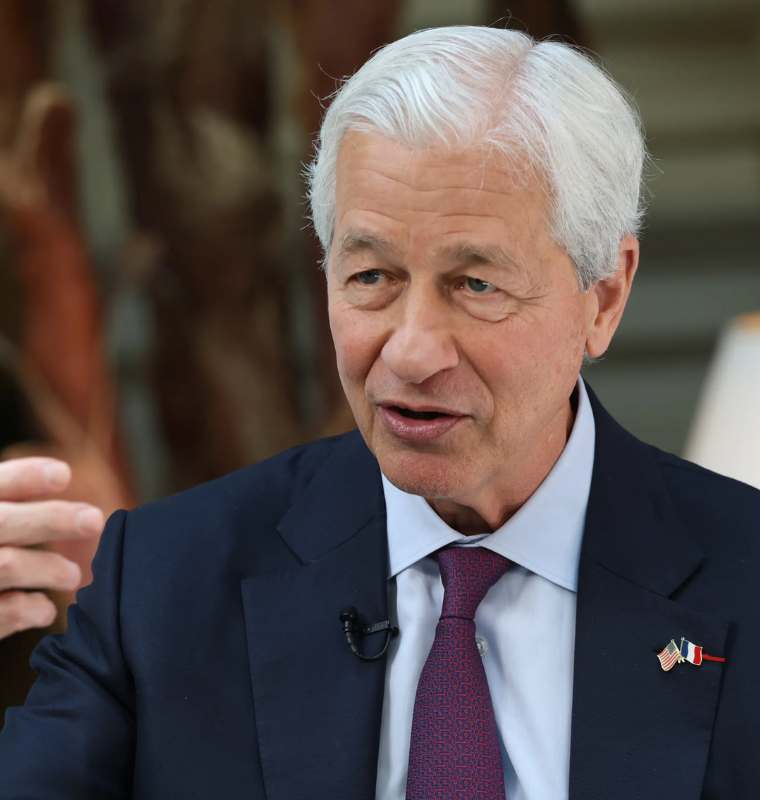
Photo: France 24
Equity markets across Asia surged, with benchmarks in Japan and South Korea reaching fresh record levels as global risk sentiment improved following a technology-led rally in the United States. Investor confidence strengthened on easing concerns about the disruptive impact of artificial intelligence and renewed optimism around corporate earnings in the semiconductor sector.
Japan and South Korea Set the Pace
Japan’s Nikkei 225 advanced more than 1.4%, marking another historic high, while the broader Topix edged up roughly 0.3%. Gains were supported by exporters and chip-related stocks benefiting from improved global demand expectations.
In South Korea, the Kospi climbed about 1.7%, breaking above the 6,000 level for the first time. Major technology names SK Hynix and Samsung Electronics posted modest advances, reflecting sustained optimism around memory chip pricing and AI infrastructure spending.
The tech-heavy Kosdaq also ticked higher, signaling broad participation across market caps.
Regional Gains Extend Across Asia-Pacific
Positive sentiment spread across the region.
- Australia’s S&P/ASX 200 rose around 1.1%
- Hong Kong’s Hang Seng Index gained roughly 0.4%
- Mainland China’s CSI 300 added close to 0.5%
- Taiwan’s TAIEX jumped about 1.8%, extending a multi-session streak of record closes
The synchronized rally underscores how global liquidity conditions and technology sector performance continue to drive cross-border market movements.
Crypto and Commodities Reflect Risk Appetite
Risk-on sentiment was also visible in digital assets, with Bitcoin rebounding roughly 2% to trade near $65,000, recovering from a brief dip below $63,000.
Energy markets edged higher amid geopolitical uncertainty. West Texas Intermediate crude traded near $66 per barrel, while Brent Crude hovered around $71, reflecting an elevated risk premium tied to Middle East tensions.
Wall Street’s Tech Surge Sets the Tone
Overnight gains in the United States provided the catalyst for Asia’s rally. Shares of Advanced Micro Devices jumped nearly 9% after announcing a multi-year partnership with Meta Platforms to deploy up to 6 gigawatts of AI computing capacity in data centers. The agreement also includes a performance-linked equity investment that could involve up to 160 million shares.
The broader U.S. market closed firmly higher:
- S&P 500 gained about 0.8% to near 6,890
- Nasdaq Composite rose roughly 1% to around 22,864
- Dow Jones Industrial Average advanced about 0.8%, supported by strong corporate earnings
The rebound followed renewed confidence that AI investment cycles will boost productivity rather than disrupt profits across key sectors.
Macro Backdrop and Investor Focus
Market strategists note that improving economic resilience, combined with supportive fiscal and monetary conditions, is helping stabilize risk assets after periods of volatility. At the same time, geopolitical developments and policy signals — including remarks from Donald Trump on global security issues — remain key variables influencing oil prices, currencies, and investor positioning.
Outlook
With semiconductor demand, AI infrastructure spending, and global liquidity trends aligning, Asian equities are likely to remain sensitive to technology sector performance in the U.S. Continued earnings momentum and stable macro conditions could sustain the rally, though geopolitical risks and interest-rate expectations will remain critical swing factors for markets in the months ahead.
.webp)
Popular articles



Subscribe to unlock premium content
Remote Himalayan Villages Transforming Ancient Traditions into Lucrative Wellness Ventures

Gilded Holidays in Fashion

Frozen Frontiers of Luxury

Remote Himalayan Villages Transforming Ancient Traditions into Lucrative Wellness Ventures
Gilded Holidays in Fashion
Remote Himalayan Villages Transforming Ancient Traditions into Lucrative Wellness Ventures