Asian Markets Climb to New Peaks as Investors Balance Geopolitical Risks and Growth Optimism

Asian Markets Climb to New Peaks as Investors Balance Geopolitical Risks and Growth Optimism
By
Alina Sinclair
Last updated:
May 27, 2026
First Published:
May 27, 2026

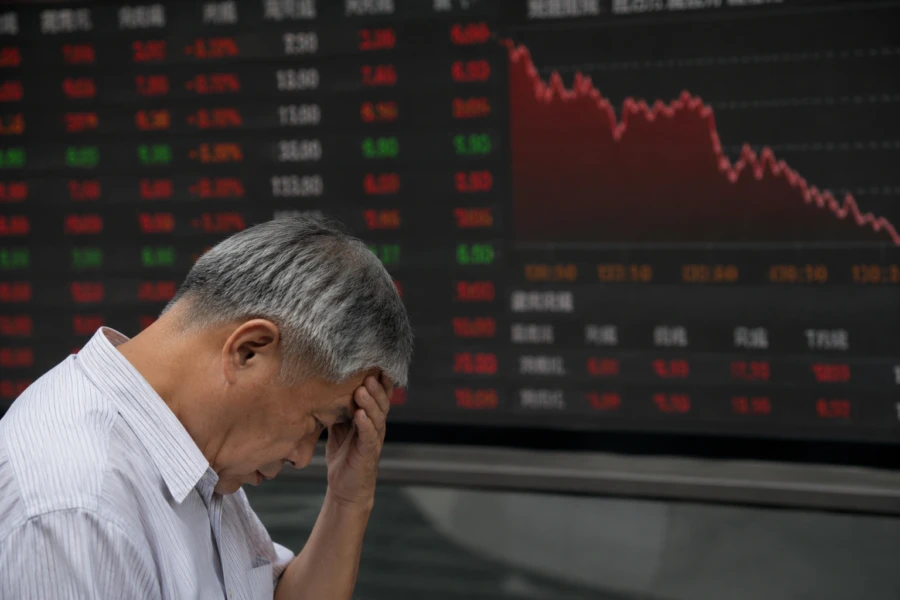
Photo: TradingView
Asian stock markets moved higher as investors pushed major benchmarks in Japan and South Korea to fresh record levels, signaling continued confidence in global equities despite geopolitical uncertainty surrounding the Middle East. Market participants weighed concerns over U.S.-Iran tensions against growing expectations that diplomatic negotiations could still prevent a larger escalation.
The strong performance across regional markets also reflected another powerful force shaping global investment trends: the continued strength of technology stocks and artificial intelligence-related sectors. Optimism surrounding global growth and corporate earnings remained strong enough to offset concerns over rising geopolitical risks.
The latest trading session highlighted a market environment where investors are attempting to balance uncertainty with opportunity.
Japan and South Korea Lead Regional Market Gains
Asian markets delivered broad gains, with Japanese and South Korean stocks standing out as the strongest performers.
Japan's benchmark Nikkei 225 surged 1.49%, reaching another record level as investor demand remained strong across technology and export-oriented sectors.
The broader Topix index also moved higher, gaining 0.57% and extending its positive momentum.
South Korea's market delivered even stronger gains.
The Kospi index jumped 4.84%, marking one of its strongest moves in recent sessions and reflecting substantial investor interest in semiconductor and technology shares.
Elsewhere across the region:
• Australia's S&P/ASX 200 advanced 0.13%
• Hong Kong's Hang Seng traded largely unchanged
• China's CSI 300 gained 0.27%
• Technology and manufacturing sectors remained among the strongest performers
The broad market gains suggest that investors continue to maintain risk appetite despite ongoing geopolitical developments.
Samsung Boosts South Korea's Rally
One of the biggest contributors to South Korea's market surge came from the semiconductor sector.
Shares of Samsung Electronics climbed approximately 6% after unionized workers approved a provisional wage agreement, easing concerns about a potential labor disruption.
Investors had been closely monitoring negotiations because a prolonged strike could have affected semiconductor production and potentially disrupted parts of the global technology supply chain.
The agreement removed a major near-term uncertainty for the company.
Given Samsung's enormous influence on South Korea's stock market and its critical role in global electronics manufacturing, positive developments surrounding the company had a noticeable impact on investor sentiment.
Semiconductor stocks have become increasingly important market drivers as artificial intelligence and high-performance computing demand continue expanding globally.
Middle East Tensions Continue to Influence Markets
Despite the positive market performance, geopolitical developments remained a major focus for investors.
Recent military activity involving the United States and Iran added another layer of uncertainty to global markets.
U.S. military operations targeting locations in southern Iran renewed attention on the fragile relationship between Washington and Tehran.
The actions occurred during a period where both sides have continued maintaining a delicate ceasefire arrangement while simultaneously engaging in diplomatic discussions.
The situation created a mixed environment for investors.
On one hand, military developments introduced concerns about regional stability and potential impacts on energy markets.
On the other hand, ongoing diplomatic efforts offered some hope that a broader conflict could still be avoided.
Market participants continue watching developments closely because even limited disruptions can affect:
• Oil prices
• Global shipping routes
• Inflation expectations
• Investor confidence
• Economic growth forecasts
Financial markets often react quickly to uncertainty in the Middle East because of the region's importance to global energy supply.
Diplomatic Hopes Are Helping Calm Investor Concerns
While geopolitical headlines created some volatility, investors also found support from expectations that negotiations could continue moving forward.
Recent comments from U.S. leadership suggested that discussions aimed at easing tensions were making progress.
The possibility of a broader agreement appears to be reducing fears of immediate escalation.
Markets generally prefer predictability, and any signal suggesting a diplomatic path forward often helps improve risk sentiment.
Investors appear to believe that while tensions remain elevated, the likelihood of a larger conflict remains uncertain rather than inevitable.
That perception helped prevent broader selling pressure across equity markets.
Wall Street's Technology Rally Continues Driving Global Sentiment
Asian markets also benefited from strong momentum coming from the United States.
Wall Street delivered another strong performance as technology shares pushed major indexes toward fresh records.
The S&P 500 rose 0.61% and closed above 7,500 points, reaching a new high.
The Nasdaq Composite advanced 1.19% to approximately 26,656, extending gains as technology stocks continued attracting investor capital.
The Dow Jones Industrial Average, however, moved lower, slipping 118 points.
The divergence between technology-heavy indexes and broader industrial stocks highlights where investor enthusiasm currently remains strongest.
Artificial intelligence, cloud computing, semiconductor demand, and digital infrastructure investments continue acting as major catalysts for market growth.
Why Technology Is Dominating Market Momentum
Technology companies continue attracting large investment flows because investors increasingly view artificial intelligence as a long-term growth driver rather than a short-term trend.
Massive spending by global corporations on:
• AI infrastructure
• Data centers
• Semiconductor technology
• Cloud services
• Advanced computing systems
has created strong earnings expectations across the sector.
This momentum has extended beyond the United States and increasingly influenced markets across Asia and Europe.
Countries such as South Korea and Japan are particularly positioned to benefit because of their strong exposure to semiconductor manufacturing and technology exports.
Investors Enter a Delicate Balancing Act
The latest market performance demonstrates how investors are currently navigating two competing narratives.
The first involves geopolitical uncertainty and the possibility of escalating global risks.
The second centers on strong corporate earnings, resilient economic activity, and optimism surrounding technology-driven growth.
For now, growth expectations appear to be outweighing geopolitical concerns.
However, market conditions remain highly sensitive to new developments.
Any shift in diplomatic negotiations, military activity, or broader economic signals could quickly influence investor sentiment.
As Asian markets continue reaching new highs, traders are increasingly betting that strong technology momentum and hopes for stability can continue supporting global equities in the months ahead.
.webp)
Popular articles



Subscribe to unlock premium content
Hidden Masterpieces Behind Office Doors

Interactive Serialized Podcasts Revolutionize Storytelling

Worldly Indulgence Delivered to Your Door

Hidden Masterpieces Behind Office Doors
Interactive Serialized Podcasts Revolutionize Storytelling
Hidden Masterpieces Behind Office Doors