Apple Appoints Veteran AI Strategist to Lead Its Next Era of Intelligence

Apple Appoints Veteran AI Strategist to Lead Its Next Era of Intelligence
By
Leah Rosenfeld
Last updated:
December 2, 2025
First Published:
December 2, 2025

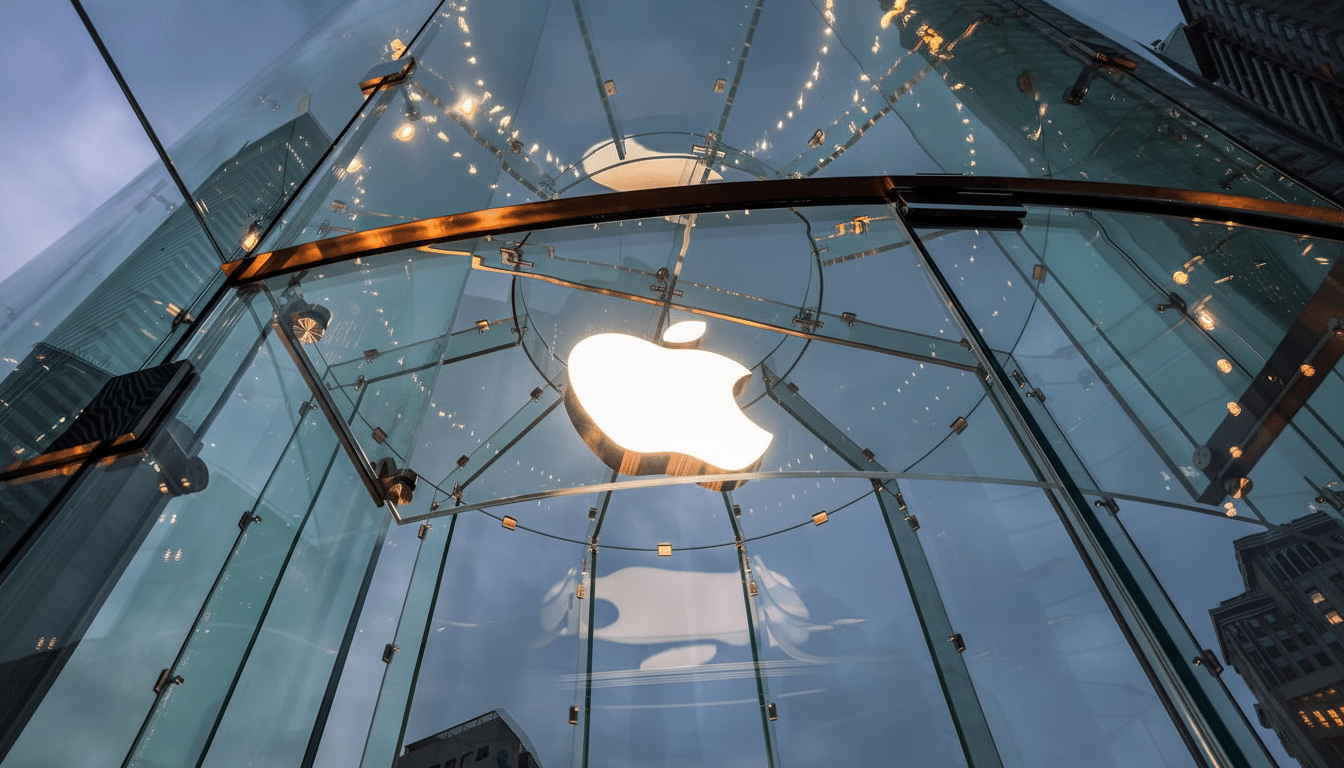
Photo: FindArticles
Leadership Transition Signals a New Direction
Apple has announced a major change at the top of its artificial intelligence division, revealing that long-time AI chief John Giannandrea will step down after seven years with the company. Giannandrea, who joined Apple in 2018 after senior roles at Google, will remain as an advisor until his retirement in spring 2025. The move reflects a strategic pivot for Apple as it repositions itself in a rapidly evolving AI landscape.
Taking his place is Amar Subramanya, a seasoned AI executive with more than 20 years in the field. Subramanya previously served in leadership roles at Microsoft and was part of Google’s influential DeepMind unit, where he contributed to large-scale model development and applied machine learning research. His appointment underscores Apple’s push to accelerate its innovation cycle after facing criticism for lagging behind industry leaders.
Apple Responds to Rising Pressure in the AI Race
Over the past two years, analysts and industry observers have repeatedly flagged Apple’s slower pace in AI compared to competitors like OpenAI, Google, and Microsoft. The surge in generative AI adoption following the launch of ChatGPT in 2022 reshaped expectations for consumer technology companies, and Apple’s initial response with its Apple Intelligence suite in 2024 was met with mixed reviews.
One of the cornerstone features of Apple Intelligence, an upgraded and more contextual Siri, has already been delayed until at least 2026. Reviewers noted that early software previews lacked the groundbreaking functionality many expected from a company known for setting industry standards. This delay further fueled concerns about the company’s ability to keep up with rapid AI breakthroughs.
At the same time, Apple has been more conservative than its peers in spending on AI infrastructure. While companies like Microsoft and Meta are investing tens of billions of dollars annually into data centers and frontier AI models, Apple has focused on running AI primarily on-device, aiming to preserve privacy leadership and reduce dependence on cloud computing.
Subramanya’s Expanded Role and Team Restructuring
Under the new structure, Subramanya will serve as vice president of AI and report directly to software chief Craig Federighi. Apple says Federighi has already been deeply involved in steering its AI initiatives, including the next-generation Siri overhaul scheduled for release next year.
Subramanya will oversee teams responsible for foundational models, advanced research and AI safety. Other units previously under Giannandrea’s leadership will be reassigned to Chief Operating Officer Sabih Khan and Services Head Eddy Cue, streamlining Apple’s organizational approach to AI development across both hardware and services.
CEO Tim Cook emphasized that Apple is ramping up investment, stating earlier this year that the company is “significantly increasing” its AI spending and views artificial intelligence as a “profound” technology. Apple has also partnered with OpenAI to integrate ChatGPT into select features of Siri and various applications, signaling a shift towards more collaborative AI strategies.
Market Reaction and Wider Industry Context
Despite a 16 percent rise in Apple’s share price in 2025, the stock has still underperformed compared to many AI-heavy technology giants. Investors have expressed concern that Apple’s slower AI rollout could limit its long-term competitiveness if it fails to match the speed of development seen elsewhere in the sector.
Meanwhile, AI-focused hardware is emerging as a new battleground. Former Apple design icon Jony Ive recently sold his startup to OpenAI for 6.4 billion dollars and has begun developing next-generation AI-first hardware. He and OpenAI CEO Sam Altman revealed that their first prototypes are already complete and could be unveiled in under two years, raising questions about how Apple will respond if consumer expectations shift dramatically toward AI-centric devices.
Nevertheless, Apple still benefits from one of the strongest consumer loyalty ecosystems in the world—a moat more than a decade in the making since the iPhone’s 2007 launch. The upcoming leadership transition marks a critical moment as Apple attempts to leverage that loyalty while reinventing its AI strategy for a new technological era.
.webp)
Popular articles



Subscribe to unlock premium content
Italy’s Sweet Renaissance

Threads of Heritage and Global Luxury

Everyday Luxury in Japan’s Convenience Stores

Italy’s Sweet Renaissance
Threads of Heritage and Global Luxury
Italy’s Sweet Renaissance