Apple Accelerates Chip Independence with Key Leadership Shift in Hardware Division

Apple Accelerates Chip Independence with Key Leadership Shift in Hardware Division
By
Augusta Parker
Last updated:
April 22, 2026
First Published:
April 22, 2026

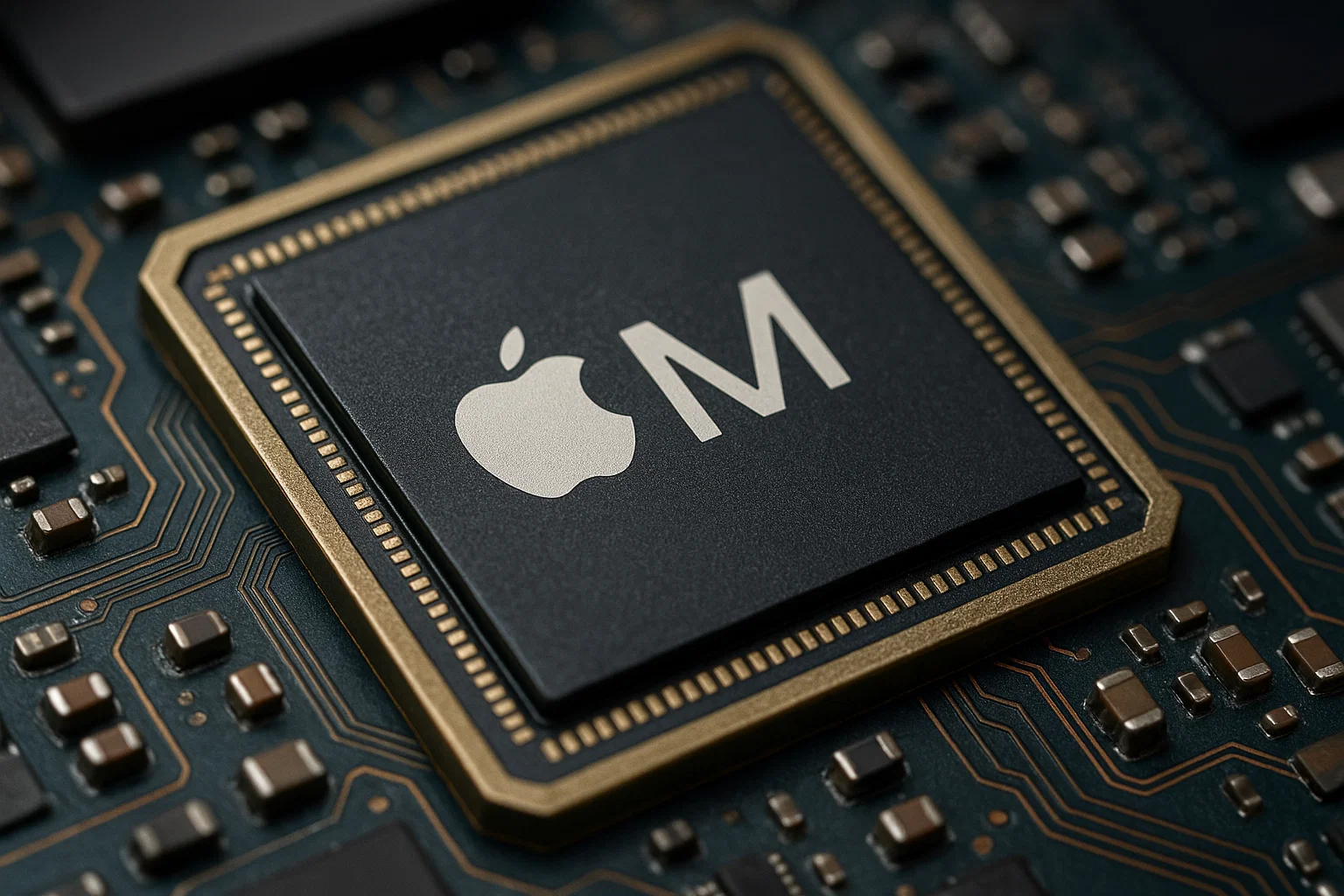
Apple is doubling down on its long-term strategy to dominate chip design internally, marked by the promotion of its silicon chief Johny Srouji to the newly created role of chief hardware officer. The move comes alongside the appointment of John Ternus as the company’s next CEO, signaling a coordinated leadership transition that places hardware innovation and chip independence at the center of Apple’s future.
This leadership reshuffle is more than symbolic. It reflects Apple’s accelerated efforts to design and deploy proprietary chips across its entire product lineup, from iPhones and Macs to iPads, wearables, and potentially future devices like augmented reality headsets. By consolidating hardware leadership under Srouji, Apple is aligning its silicon roadmap directly with its broader product strategy, ensuring tighter integration and faster innovation cycles.
Srouji has been a key architect behind Apple’s custom silicon journey, which began gaining serious momentum with the launch of the M1 chip in 2020. Since then, Apple has rolled out multiple generations of chips, including the M2 and M3 series, delivering significant performance gains while improving energy efficiency. Industry benchmarks suggest Apple’s chips now outperform many competitors in performance-per-watt metrics, a critical advantage in both mobile and desktop computing.
Apple’s transition away from third-party chipmakers like Intel has already saved the company billions in supply chain costs while giving it greater control over product timelines and performance optimization. Analysts estimate that Apple ships over 200 million devices annually that rely on its custom silicon, a number expected to grow as the company expands into new categories.
The timing of Srouji’s promotion alongside Ternus’s rise to CEO highlights a strategic alignment at the top. Ternus, who has overseen hardware engineering for years, has worked closely with Srouji to integrate Apple’s chips seamlessly into its devices. Their collaboration was notably highlighted in a 2023 interview, where both executives emphasized how vertical integration in silicon design allows Apple to deliver faster, more secure, and highly optimized user experiences.
Apple’s ambition now extends beyond just performance improvements. The company is investing heavily in AI-focused chip capabilities, aiming to embed advanced machine learning functions directly into its processors. With the global AI chip market projected to exceed $400 billion by 2030, Apple’s in-house approach positions it to compete more aggressively against rivals building AI-first hardware ecosystems.
Another critical advantage of Apple’s silicon strategy is supply chain resilience. By reducing reliance on external chip suppliers and controlling design in-house, Apple can better navigate global disruptions, pricing volatility, and geopolitical risks that have impacted semiconductor availability in recent years.
Looking ahead, Apple’s roadmap suggests a future where every major device runs on custom-designed chips tailored specifically for its software ecosystem. This level of integration not only enhances performance but also strengthens Apple’s competitive moat, making it harder for rivals to replicate its tightly controlled hardware-software synergy.
With Srouji now overseeing hardware at the highest level and Ternus stepping into the CEO role, Apple is clearly entering a new phase—one where silicon is not just a component, but the foundation of its entire innovation strategy.
.webp)
Popular articles



Subscribe to unlock premium content
The Secret Investment Market of Private Historical Artifacts

From Glacier to Glass How Greenland’s Icebergs Are Fueling a Luxury Water Craze

Luxury Tea Sets and the Allure of Status Unveiled

The Secret Investment Market of Private Historical Artifacts
From Glacier to Glass How Greenland’s Icebergs Are Fueling a Luxury Water Craze
The Secret Investment Market of Private Historical Artifacts