American Airlines Completes Fleetwide Fix After Airbus Software Glitch

American Airlines Completes Fleetwide Fix After Airbus Software Glitch
By
David Goldfarb
Last updated:
December 1, 2025
First Published:
December 1, 2025

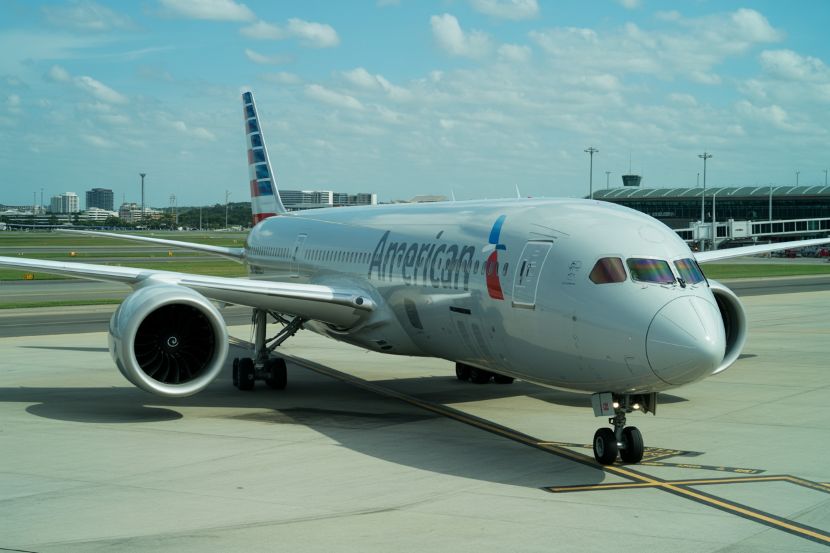
American Airlines Confirms All Affected Jets Are Back in Service
American Airlines announced that every aircraft impacted by Airbus’ emergency software recall has now been updated and cleared to operate. The airline confirmed that by 12 p.m. CT on Saturday, all 209 of its affected A320-series jets had received the required fix. With the updates complete, the carrier expects no further operational disruptions as the Thanksgiving travel rush continues, particularly heading into Sunday, historically its busiest travel day of the year.
The swift turnaround provides relief for travelers after a weekend of widespread global delays caused by one of the most expansive airworthiness directives ever issued for the Airbus A320 family.
A Global Disruption That Grounded Thousands
The recall, triggered by a software malfunction linked to solar flare interference, affected roughly 6,000 A320-series aircraft worldwide — more than half of Airbus’ total narrow-body fleet. Airlines across Asia, Europe, North America, and Australia were forced to ground planes for immediate updates, resulting in thousands of stranded passengers during one of the year’s peak travel periods.
The directive ranks among the largest in Airbus’ 55-year history and swiftly rippled across major hubs. In Asia, where A320 fleets form the backbone of regional networks, the impact was particularly severe. Japan’s ANA Holdings cancelled 95 domestic flights on Saturday, affecting more than 13,000 passengers. The airline, along with budget affiliate Peach Aviation, operates the nation’s largest Airbus narrow-body fleet. Japan Airlines, which relies more heavily on Boeing jets, avoided major disruption.
In the U.S., United Airlines reported that six aircraft required the update and only “minor issues” were expected. Delta Air Lines said fewer than 50 of its A320 jets were affected.
Airlines Rush to Apply Fixes Across Multiple Regions
India’s flag carrier, Air India, which is partially owned by Singapore Airlines, reported that more than 40% of its impacted aircraft had already been updated, and while no flights were canceled, some experienced delays or schedule reshuffling. Scoot, another airline under the Singapore Airlines umbrella, said 21 of its 29 A320s required the fix and that all updates were expected to be completed by Saturday evening.
The disruptions extended to Australia, where Jetstar Airways cancelled around 90 flights after identifying 34 aircraft needing immediate correction. By mid-afternoon Saturday, 20 jets were ready to return to service, with the remainder expected to be cleared overnight. Jetstar and its parent company, Qantas, jointly control around 65% of Australia’s domestic aviation market, amplifying the effects of the temporary grounding. Rival Virgin Australia, which operates only four A320 aircraft, confirmed it was unaffected.
Regulators Move Fast as Investigation Continues
The European Union Aviation Safety Agency initiated the emergency directive after a JetBlue flight on October 30 experienced an “uncommanded and limited pitch-down event,” prompting immediate investigation. The U.S. Federal Aviation Administration followed with its own directive, requiring operators to apply the software fix before further flights.
Airbus CEO Guillaume Faury acknowledged the severity of the situation in a public statement, noting that the rapid rollout of the software update had created significant logistical strain across global fleets. He emphasized that Airbus teams were working continuously with airline operators to ensure the fastest possible return to normal operations.
.webp)
Popular articles



Subscribe to unlock premium content
Immersive Worlds on Stage

Freedom on Wheels in Portugal

a very very descriptive final thoughts

Immersive Worlds on Stage
Freedom on Wheels in Portugal
Immersive Worlds on Stage