Amazon Extends Prime Day Savings Push as Budget-Conscious Shoppers Hunt for Bigger Deals

Amazon Extends Prime Day Savings Push as Budget-Conscious Shoppers Hunt for Bigger Deals
By
Augusta Parker
Last updated:
June 2, 2026
First Published:
June 2, 2026

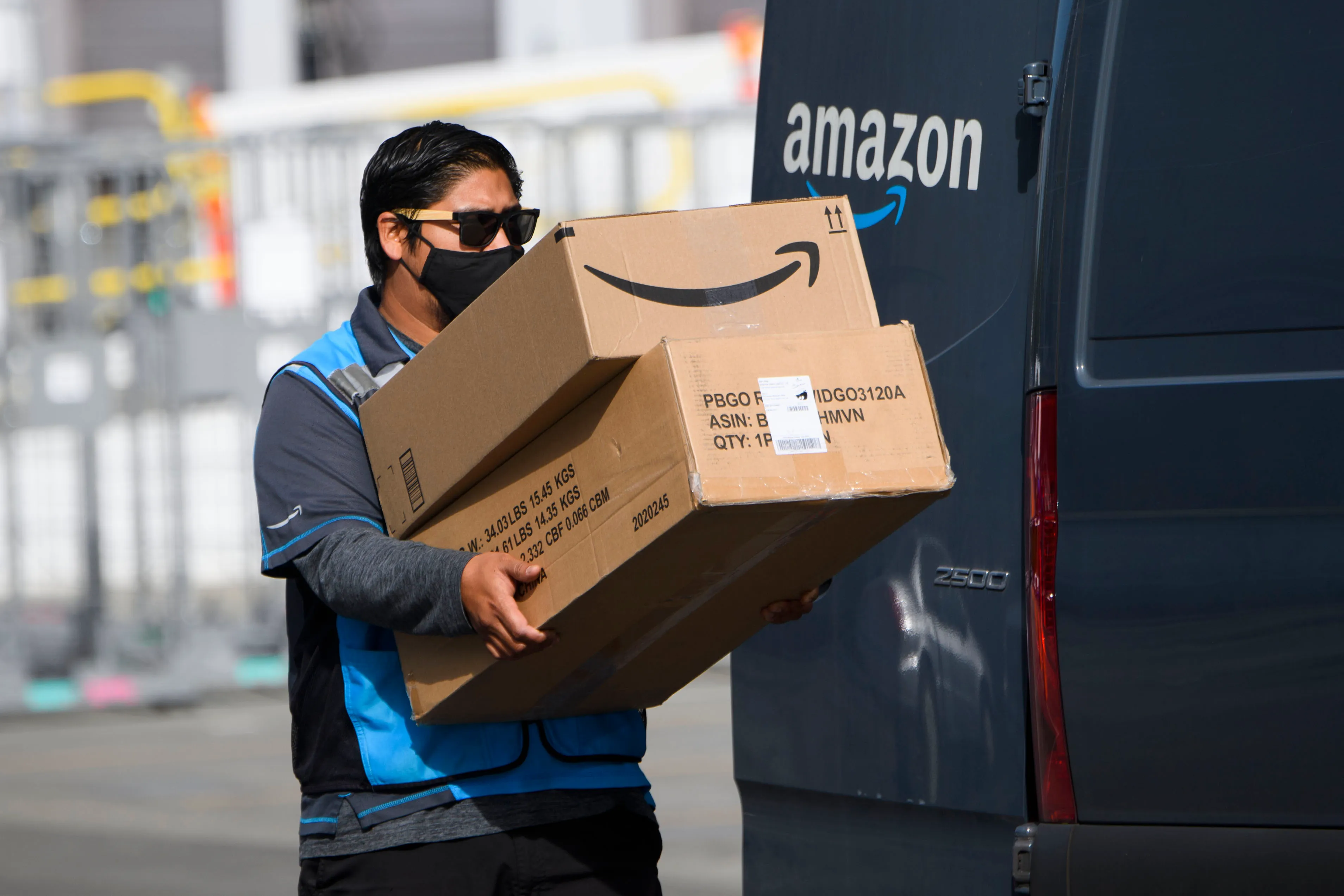
Photo: Chicago Tribune
Amazon is preparing for another extended Prime Day shopping marathon, with its flagship annual sales event set to run from June 23 through June 26. The four-day promotion marks the second consecutive year that the e-commerce giant has stretched Prime Day beyond its traditional two-day format, reflecting changing consumer shopping habits and growing demand for discounts during a period of economic uncertainty.
Originally launched in 2015 to celebrate Amazon’s anniversary, Prime Day has evolved into one of the largest retail events in the world. What began as a members-only sales promotion has grown into a major mid-year shopping festival that rivals Black Friday and Cyber Monday in scale, generating billions of dollars in sales and attracting millions of shoppers across multiple countries.
Why Amazon Is Keeping Prime Day at Four Days
According to Amazon executives, last year's extended event demonstrated that customers appreciated having more time to browse deals, compare products, and make purchasing decisions without feeling pressured by a shorter sales window.
The company found that Prime members continued shopping actively throughout all four days rather than concentrating purchases during the opening hours. As a result, Amazon decided to maintain the longer format and introduce fresh discounts each day to encourage repeat visits.
Rather than releasing all promotions at once, Amazon plans to roll out rotating limited-time offers across categories, creating new reasons for shoppers to return throughout the event. This strategy not only increases customer engagement but also helps sellers gain visibility over multiple days.
Economic Headwinds Shape This Year's Shopping Event
This year's Prime Day arrives at a challenging moment for consumers.
Economic uncertainty remains elevated, and many households continue to feel pressure from persistent inflation, rising living costs, and concerns about future spending power. Recent consumer confidence data has shown growing caution among Americans, particularly among lower-income households that are feeling the greatest impact from higher everyday expenses.
Rising energy costs and geopolitical tensions have also contributed to concerns about household budgets. As a result, many consumers are becoming increasingly selective about how they spend their money, prioritizing necessities over discretionary purchases.
Retail analysts note that shoppers today are spending more time searching for discounts, comparing prices, and waiting for major sales events before making purchases.
Essential Goods Take Center Stage
Unlike previous years when Prime Day was largely associated with electronics, gadgets, and impulse purchases, this year's promotions will place a significant emphasis on everyday essentials.
Amazon plans to feature aggressive discounts on groceries, household supplies, and personal care products. Some food items, including select produce, meats, and bakery essentials, are expected to be available at highly reduced prices, while personal care products and household necessities may see discounts of up to 50%.
The strategy reflects a broader shift in consumer behavior.
Over the past several years, shoppers have increasingly used major sales events to stock up on products they use regularly rather than splurging on luxury or non-essential items. Household staples such as paper products, cleaning supplies, detergent, trash bags, dishwasher pods, toiletries, and pantry items have become some of the fastest-growing categories during promotional events.
Consumers are increasingly viewing Prime Day as an opportunity to reduce monthly expenses rather than simply purchase new technology.
How Consumer Spending Habits Have Changed
The changing focus of Prime Day mirrors broader trends across the retail industry.
While products such as smart speakers, streaming devices, tablets, laptops, and kitchen appliances continue to perform well during major sales events, spending patterns have shifted toward practical purchases.
Many households are delaying large discretionary purchases while focusing on products that provide immediate value. This has encouraged retailers to increase promotions on everyday goods and bundle essential products into larger discount packages.
Retail experts believe that today's shoppers are more price-sensitive than they were just a few years ago. Consumers are increasingly comparing prices across platforms, using deal-tracking tools, and waiting for promotional periods before completing purchases.
As a result, events like Prime Day have become increasingly important for both retailers and consumers.
Prime Membership Remains Central to Amazon's Strategy
Prime Day is not only a sales event; it is also one of Amazon's most effective tools for attracting and retaining Prime subscribers.
The company's Prime membership program, which costs $139 annually in the United States, offers benefits including free shipping, streaming services, exclusive discounts, cloud storage, and access to members-only shopping events.
Historically, Prime Day has driven significant increases in membership sign-ups as shoppers join the program to gain access to exclusive deals. Amazon continues to use the event as a way to strengthen customer loyalty while increasing engagement across its ecosystem of services.
The longer four-day format may further support this objective by giving members more opportunities to discover value and interact with Amazon's platform over an extended period.
What Shoppers Can Expect
This year's event is expected to feature thousands of discounts across categories including electronics, home improvement, kitchen appliances, beauty products, fashion, groceries, health items, and household essentials.
New promotions will be introduced daily, with limited-time offers designed to create urgency and encourage repeat visits. Consumers can also expect deeper discounts on Amazon-branded devices, one of the company's traditional Prime Day strategies.
As inflation concerns continue to influence spending decisions, Amazon appears to be positioning Prime Day not simply as a shopping event but as a way for households to stretch their budgets further.
For millions of consumers facing tighter finances, the focus will likely be less about luxury purchases and more about finding meaningful savings on products they use every day. In that environment, Prime Day's success may ultimately depend on how much value shoppers believe they are getting rather than how much they spend.
.webp)
Popular articles



Subscribe to unlock premium content
China’s Second-Hand Designer Boom

The Rise of Livestream Shopping in Southeast Asia

The Rise of Ghost Kitchens in New York City

China’s Second-Hand Designer Boom
The Rise of Livestream Shopping in Southeast Asia
China’s Second-Hand Designer Boom