Aldi Accelerates U.S. Expansion With 180 New Stores as Shoppers Across Incomes Hunt for Value

Aldi Accelerates U.S. Expansion With 180 New Stores as Shoppers Across Incomes Hunt for Value
By
Calder Monroe
Last updated:
January 13, 2026
First Published:
January 13, 2026

Getty Images
Aggressive Growth Amid Shifting Grocery Habits
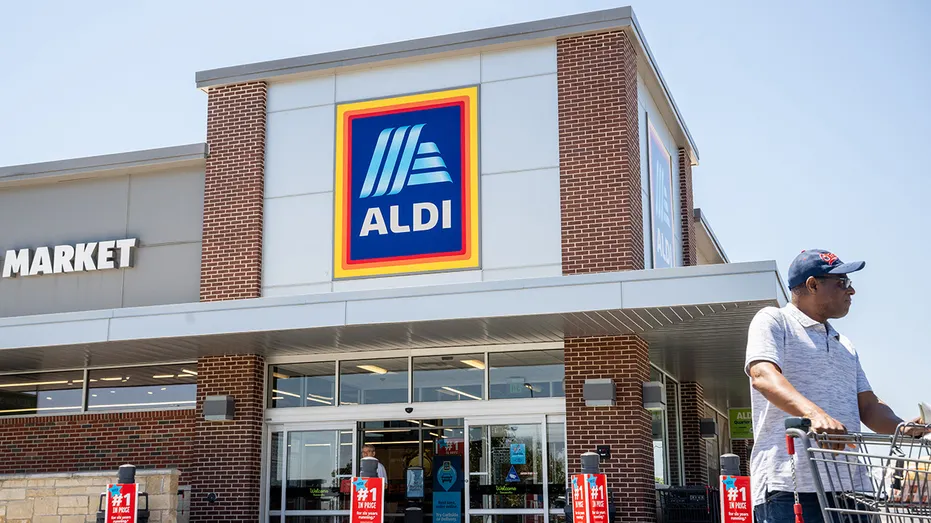
Aldi, the German discount grocer, is set to open more than 180 stores across the U.S. in 2026, continuing its rapid expansion as American shoppers increasingly prioritize value over choice. The move reflects a broader trend of consumers seeking cost-effective alternatives to traditional supermarkets, from Walmart to Kroger, as inflation and budget-consciousness influence shopping patterns.
This expansion follows an already record-setting year in 2025, when Aldi opened nearly 200 new locations, bringing its total U.S. store count to 2,614 by the end of December. With the addition of Maine this year, the company will operate in 40 states, further solidifying its national footprint.
Smaller Stores, Private Labels, Big Impact
Aldi stands out in the crowded U.S. grocery market for its smaller footprint, curated selection, and heavy reliance on private-label products. Over 90% of its offerings are Aldi brands, allowing the company to maintain low prices without compromising quality. Stores typically measure around 10,000 square feet, a fraction of the average Walmart Supercenter at 178,000 square feet, and are designed for speed and efficiency.
The grocer has also emphasized unique, limited-time items in its “Aldi Finds” aisles, including specialty foods, kitchenware, and seasonal products, creating a “treasure hunt” experience for shoppers. This strategy has proved successful at attracting loyal customers willing to travel across cities for specific items.
Capturing Market Share From Traditional Grocers
Despite its growth, Aldi’s market share remains modest at 2.8% of the U.S. grocery market, compared with Walmart’s 21% and Kroger’s 9%. However, its influence is growing quickly, particularly among budget-conscious consumers and younger demographics.
A recent survey by AlixPartners found that traditional supermarkets are losing traction among all income groups. Higher-income households earning over $100,000 annually decreased their reliance on conventional grocery chains by 7 percentage points year-over-year, while shoppers aged 25 to 34 cut their spending in traditional channels by 6 percentage points. Analysts attribute this to the convenience, quality, and competitive pricing offered by discounters like Aldi, Walmart, and Costco.
Shaping Shopper Behavior
Aldi’s store visits rose 8% year-over-year in 2025, outpacing competitors including Costco (+5.9%), Albertsons (+1.6%), Kroger (+0.8%), and Walmart (+0.5%), according to Placer.ai data. Traffic has increased by more than 50% since 2019, demonstrating the brand’s growing appeal to both value-focused and time-conscious consumers.
CEO Atty McGrath highlights that shoppers are increasingly savvy, appreciating private labels and smaller assortments that save time while offering high-quality staples. “Consumers are really safeguarding their resources, whether that’s the wallet or their time,” she said.
Competition and Challenges
Aldi faces competition from other discounters like Lidl, which operates over 190 U.S. stores, as well as from large chains experimenting with private-label offerings and trend-driven product lines. Walmart, for example, has launched its Bettergoods line to attract more affluent shoppers with chef-driven products under $5. Kroger and Albertsons have also emphasized price cuts and new investments to maintain market share.
Despite its success, Aldi’s model has limitations. The smaller assortment means shoppers may need to visit multiple stores to complete their weekly grocery run. Additionally, the company has faced legal challenges, such as a lawsuit from Mondelez alleging packaging imitation, although Aldi asserts recent packaging updates were independent of litigation.
Building Loyalty Beyond Price
Aldi’s appeal goes beyond low prices. Long-term shoppers cite the brand’s curated experience, rotating items, and quality private-label products as key draws. For Emily Curtis, a New York City resident, Aldi has become a staple of weekly grocery shopping, offering savings, convenience, and unique finds that turn routine trips into a personalized experience.
This combination of aggressive expansion, private-label strategy, and shopper-focused innovation positions Aldi as a growing force in the U.S. grocery sector, challenging traditional supermarkets while carving out a loyal customer base that spans income levels and regions.
.webp)
Popular articles



Subscribe to unlock premium content
Iceland’s Geothermal Revolution

Bali’s Digital Detox Revolution

Step Into the Future of Art

Iceland’s Geothermal Revolution
Bali’s Digital Detox Revolution
Iceland’s Geothermal Revolution