Airlines Question Next-Generation Jet Engines as Reliability Issues Erode Fuel Savings

Airlines Question Next-Generation Jet Engines as Reliability Issues Erode Fuel Savings
By
Leah Rosenfeld
Last updated:
June 9, 2026
First Published:
June 9, 2026

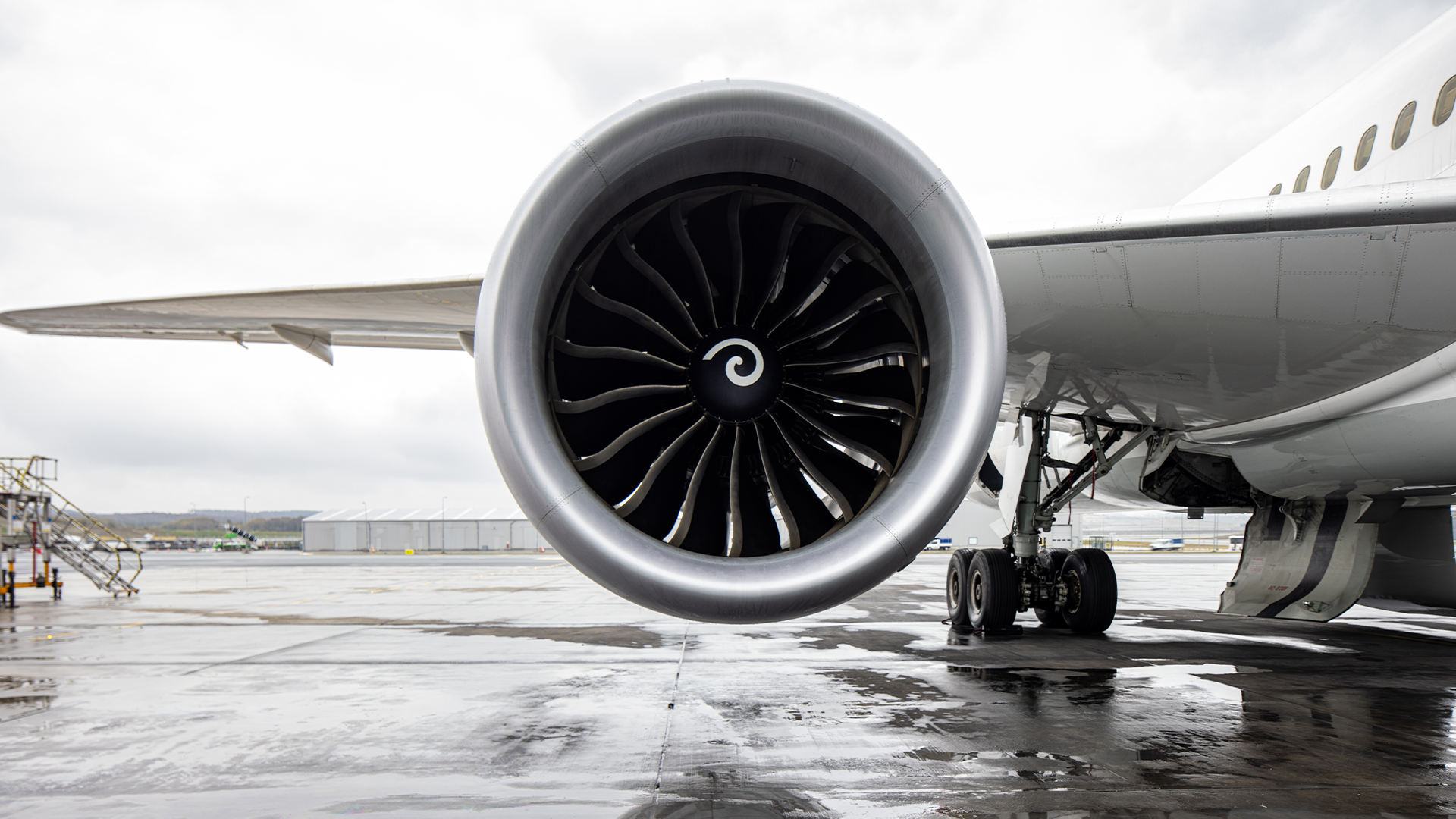
Photo: GE Aerospace
The airline industry's push toward more fuel-efficient aircraft engines is delivering an unexpected challenge. While the latest generation of engines has successfully reduced fuel consumption and improved environmental performance, many airlines say the technology has fallen short when it comes to reliability, availability, and long-term operating costs.
Executives from some of the world's largest carriers are increasingly voicing frustration over engine performance, arguing that frequent maintenance requirements and ongoing supply chain problems are undermining many of the financial benefits that manufacturers promised.
The issue has become one of the most significant operational challenges facing global airlines as they contend with aircraft shortages, elevated fuel prices, labor costs, and strong passenger demand.
For many carriers, the problem is no longer simply about buying more efficient aircraft. It is about keeping those aircraft flying.
The Promise of a New Generation of Engines
Over the last decade, aircraft manufacturers and engine makers introduced a new generation of engines designed to transform airline economics.
These advanced powerplants, installed on popular aircraft such as the Boeing 737 MAX and Airbus A320neo families, promised fuel savings of 15% to 20% compared with previous generations.
For airlines, the appeal was obvious.
Fuel is typically the second-largest operating expense after labor and can account for 20% to 35% of total airline costs depending on market conditions. Even small improvements in fuel efficiency can translate into hundreds of millions of dollars in annual savings for major carriers.
The new engines were also expected to help airlines meet increasingly strict environmental goals by reducing carbon emissions and improving operational efficiency.
Initially, the technology appeared to offer the perfect solution for an industry under pressure to lower costs while improving sustainability.
However, reality has proven more complicated.
Fuel Efficiency Comes With New Trade-Offs
The latest generation of aircraft engines achieves greater efficiency by operating at higher temperatures and pressures than previous designs.
These engineering advances allow airlines to burn less fuel while generating more power. However, they also place greater stress on engine components.
As a result, many carriers are finding that engines require inspections, repairs, and overhauls sooner than expected.
Airline executives say unscheduled maintenance events have become significantly more common compared with older engine generations.
While the engines continue delivering fuel savings, the additional maintenance costs are reducing the overall financial benefit.
For airlines operating large fleets, the impact can be substantial.
Every aircraft removed from service for maintenance represents lost revenue opportunities, particularly during periods of strong travel demand.
Grounded Aircraft Are Becoming a Costly Problem
The financial consequences extend beyond maintenance expenses.
When engines require unexpected servicing, entire aircraft may be forced out of operation until repairs are completed.
This creates a chain reaction across airline networks.
Flight schedules become more difficult to manage. Capacity is reduced. Aircraft utilization declines. Spare aircraft become harder to find. Customer disruptions increase.
At a time when global passenger traffic continues to recover and many routes are experiencing strong demand, airlines argue that every grounded aircraft represents revenue left on the table.
Executives note that travelers remain willing to fly despite higher ticket prices, making fleet availability more important than ever.
The challenge is especially severe because replacement aircraft are not readily available.
Aircraft manufacturers continue facing production constraints, delivery delays, and supply chain bottlenecks that limit the number of new planes entering service.
Engine Maintenance Has Become a Multi-Billion-Dollar Industry
As maintenance demands increase, the engine repair sector is experiencing unprecedented growth.
Global spending on aircraft engine maintenance, repair, and overhaul services now exceeds $58 billion annually and continues to rise.
Repair facilities around the world are operating near capacity as airlines compete for limited maintenance slots.
Longer waiting times for inspections and repairs are adding further pressure to airline operations.
The growing demand has also increased the value of existing engines.
Older engine models that were once expected to decline in value have instead become highly sought-after assets because they remain available and proven in service.
Industry data shows significant appreciation in the market value of several popular engine platforms over the past five years, reflecting growing demand and limited supply.
For lessors, maintenance providers, and parts suppliers, the situation has created new revenue opportunities.
For airlines, however, it has become another source of rising costs.
Airline CEOs Voice Growing Frustration
Industry leaders gathered at major aviation conferences have become increasingly vocal about the issue.
Many acknowledge that the latest engines represent remarkable engineering achievements but argue that reliability levels have not met expectations.
Executives point out that airlines carefully calculate fleet investments based on projected operating costs over many years.
When maintenance expenses rise unexpectedly, those projections become less attractive.
Several carriers report that the additional repair and overhaul costs are consuming a meaningful portion of the fuel savings generated by the engines.
The result is a lower return on investment than originally anticipated.
Airline leaders stress that the issue is not simply technical but financial, affecting profitability, fleet planning, and long-term growth strategies.
Supply Chain Constraints Continue to Slow Progress
Compounding the problem is a broader shortage of engine components throughout the aerospace industry.
Manufacturers continue struggling with limited supplies of critical parts, including castings, forgings, turbine blades, and advanced materials.
Many aerospace suppliers reduced capacity during the pandemic and have faced difficulties rebuilding production at the pace required by today's demand.
As a result, engine repairs often take longer than airlines would prefer.
New engine deliveries are also affected by supply constraints, limiting airlines' ability to expand fleets or replace aging equipment.
Industry executives increasingly view engine availability as one of the most important bottlenecks affecting global aviation growth over the next several years.
Some airline leaders believe engine shortages could remain a limiting factor for much of the decade.
Manufacturers Defend Their Progress
Engine manufacturers acknowledge the challenges but argue that significant improvements are already underway.
Companies have invested billions of dollars in production capacity, maintenance infrastructure, engineering upgrades, and reliability enhancements.
Manufacturers say newer engine designs continue to evolve as operational data is collected from airlines around the world.
Design improvements, software updates, revised maintenance procedures, and upgraded components are all being introduced to extend engine life and improve reliability.
Several companies have reported measurable gains in "time on wing"—the period an engine can operate before requiring major maintenance.
Executives insist that the long-term value proposition of the new engine platforms remains strong despite current challenges.
Pratt & Whitney Faces Additional Scrutiny
Among the most notable engine-related issues in recent years has been a manufacturing defect affecting certain Pratt & Whitney engines.
The problem forced airlines to ground numerous aircraft for inspections and repairs, disrupting schedules and creating additional costs across the industry.
Several carriers were particularly affected, losing significant portions of their operational fleets during periods of strong demand.
The situation highlighted how vulnerable airlines can become when technical issues affect widely used engine platforms.
Although repair programs are ongoing, the episode has intensified concerns about reliability across the broader aviation sector.
Aircraft Deliveries Remain Behind Schedule
The engine situation is occurring alongside broader production challenges at both Boeing and Airbus.
Aircraft manufacturers continue working through supply chain disruptions, certification requirements, labor shortages, and production ramp-up efforts.
As a result, many airlines are receiving aircraft later than planned.
Combined with engine maintenance challenges, these delays are reducing fleet flexibility and limiting growth opportunities.
Some carriers have been forced to extend the service lives of older aircraft longer than originally expected, while others have adjusted expansion plans due to equipment shortages.
The aviation industry is effectively facing a supply crunch at a time when passenger demand remains robust across many regions.
Why the Next Five Years Could Be Challenging
Industry leaders increasingly believe engine availability will remain one of aviation's biggest challenges through the remainder of the decade.
Demand for air travel continues to grow globally, particularly in Asia, the Middle East, and emerging markets. At the same time, airlines are pursuing fleet modernization programs aimed at improving efficiency and reducing emissions.
Meeting those goals requires reliable engines, sufficient maintenance capacity, and stable supply chains.
Until those issues are fully addressed, airlines may continue facing higher operating costs, delayed aircraft deliveries, and periodic fleet disruptions.
The Industry's Balancing Act
The aviation sector now finds itself navigating a difficult balancing act.
The newest engines undeniably offer meaningful fuel savings, lower emissions, and advanced technological capabilities. Yet the operational realities surrounding maintenance, reliability, and availability have tempered some of the industry's initial enthusiasm.
For airlines, the challenge is no longer deciding whether fuel-efficient engines are necessary—they clearly are.
The challenge is ensuring those engines can deliver the reliability, durability, and availability needed to support a rapidly growing global aviation market.
Until that happens, many carriers believe the true cost of next-generation engine technology will remain higher than originally expected, even as the industry continues its pursuit of greater efficiency and sustainability.
.webp)
Popular articles



Subscribe to unlock premium content
Boutique Creative Studios Turning Local Art Movements into Ad Campaigns

Inside London’s Private Wealth Advisory Firms Catering to Millennial Investors

How Boutique Safari Camps in Kenya Are Creating Premium Eco Experiences

Boutique Creative Studios Turning Local Art Movements into Ad Campaigns
Inside London’s Private Wealth Advisory Firms Catering to Millennial Investors
Boutique Creative Studios Turning Local Art Movements into Ad Campaigns