AI Disruption Hits the Labor Market Like a Tsunami

AI Disruption Hits the Labor Market Like a Tsunami
By
Rachel Steinberg
Last updated:
January 21, 2026
First Published:
January 21, 2026


Photo: The Japan Times
Artificial intelligence is reshaping the labor market at an unprecedented pace, sparking alarm among executives, policymakers, and workers worldwide. At the World Economic Forum in Davos this week, top leaders warned that 2026 could see anxiety around AI reach new heights, even as the technology continues to drive productivity and economic growth.
Kristalina Georgieva, managing director of the International Monetary Fund, described AI as a “major factor for economic growth,” with the potential to boost global GDP by up to 0.8% over the next few years. Yet she cautioned that the labor market is being hit “like a tsunami,” noting that most countries and businesses are unprepared for the pace of change. Georgieva stressed that governments and companies must urgently rethink workforce skills and education to adapt to AI-driven transformations.
AI and Layoffs: Numbers Tell the Story
AI-related restructuring contributed to roughly 55,000 layoffs across the United States in 2025, according to consulting firm Challenger, Gray & Christmas. High-profile companies cited AI as a key factor in workforce reductions:
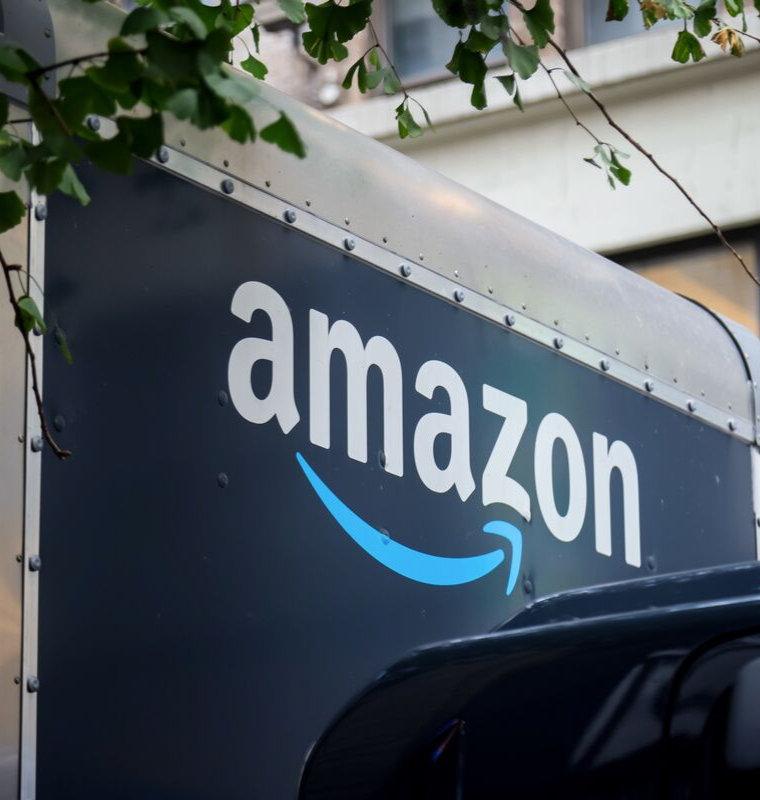
- Amazon: 15,000 jobs cut, spanning multiple divisions.
- Salesforce: 4,000 customer support roles eliminated as AI took over approximately 50% of routine tasks.
- Accenture and Lufthansa: Restructuring partially attributed to AI automation.
Employee sentiment is shifting alongside these layoffs. Mercer’s Global Talent Trends 2026 report, based on a survey of 12,000 workers worldwide, found that concern over AI-driven job displacement jumped from 28% in 2024 to 40% in 2026. Moreover, 62% of employees believe that leaders underestimate the emotional and psychological impact of AI adoption on the workforce.
Deutsche Bank analysts described the growing anxiety as moving “from a low hum to a loud roar,” predicting that disputes over copyright, data privacy, AI-generated content, and the protection of vulnerable groups will dominate legal and regulatory debates in 2026.
Workforce Adaptation and Upskilling
Experts caution that not all AI-related layoffs reflect actual displacement; some may be “AI redundancy washing,” where companies attribute general restructuring to technology trends. Yale University’s Budget Lab reported that the overall share of workers in AI-exposed roles has remained relatively stable since ChatGPT launched in late 2022.
Sander van’t Noordende, CEO of Randstad, the world’s largest staffing firm, emphasized that market uncertainty, rather than AI itself, is often the driving force behind workforce reductions. “It’s too early to link these layoffs directly to AI,” he said, calling 2026 “the year of the great adaptation,” where companies must integrate AI while maintaining and upskilling human talent.
Upskilling is critical not only for employee retention but also for investor confidence. Mercer found that 97% of investors are likely to penalize firms that fail to provide systematic AI training, while over 75% favor companies offering robust AI education programs. Future-of-work expert Ravin Jesuthasan highlighted that investors now evaluate how organizations are combining AI with their workforce, rewarding firms that successfully integrate humans and machines while penalizing those that do not.
Looking Ahead: AI as Opportunity and Challenge
Despite widespread fears, AI presents significant opportunities for improving productivity, optimizing talent management, and creating new roles. Companies leveraging AI to enhance recruitment, onboarding, and operational efficiency could see substantial competitive advantage.
Yet the message from Davos is clear: businesses, governments, and employees must act proactively. The future of work will increasingly depend on how organizations balance automation with human skills, address workforce anxieties, and provide continuous training. Those who fail to adapt risk losing not only talent but also investor support and long-term economic performance.
As AI continues to evolve, the labor market faces a pivotal year where adaptation, education, and strategy will define winners and losers in the global economy.

Popular articles


Subscribe to unlock premium content
Dining Beneath the Waves

The $45 Million Glow-in-the-Dark Indoor Garden Revolution

Stars in the Palm of Your Hand

Dining Beneath the Waves
The $45 Million Glow-in-the-Dark Indoor Garden Revolution
Dining Beneath the Waves